The Logic of Coercive Diplomacy: How Washington's Maximum Pressure Against Iran Reshapes Global Power Alignments
As Iran refuses another round of nuclear negotiations and the UK braces for potential food shortages, the Trump administration's coercive diplomacy reveals the contradictions at the heart of dollar hegemony and the emerging multipolar order.
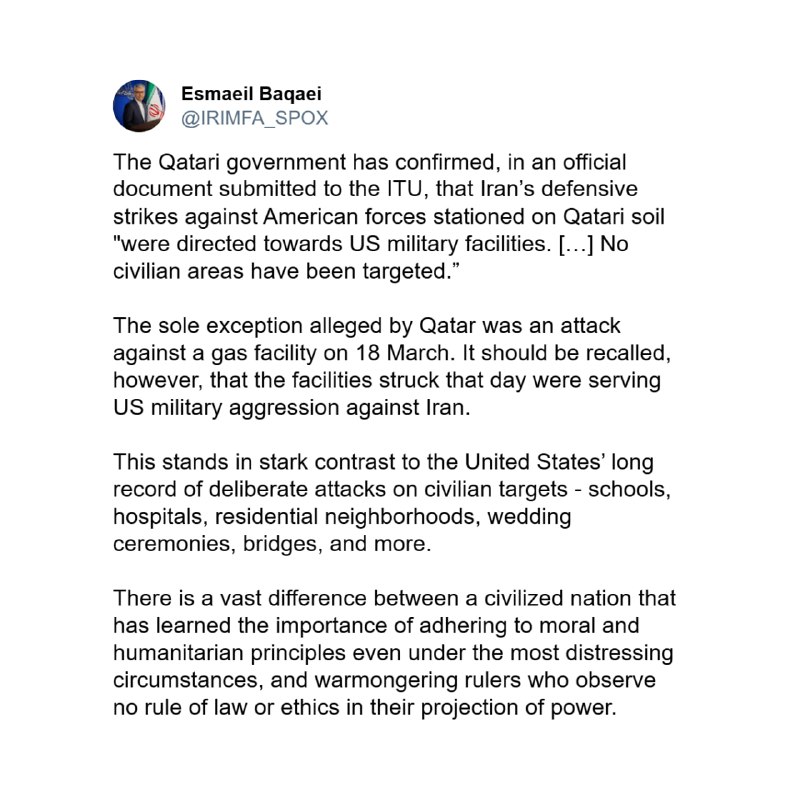
The maritime blockade that the United States has imposed on Iran since early 2026 represents the most significant escalation in the ongoing confrontation between Washington and Tehran since the collapse of the JCPOA agreement in 2018. According to reports confirmed as of April 18, 2026, Iranian officials have refused to engage in another round of negotiations with the United States, citing the blockade and what they describe as Washington's "excessive demands" as the primary obstacles to diplomatic resolution. The timing of this refusal—coming after months of maximum pressure tactics—suggests that the Trump administration's strategy of coercive diplomacy has fundamentally miscalculated Tehran's resolve while simultaneously exposing the fragilities embedded within Western economic architecture.
The consequences of this prolonged confrontation extend far beyond bilateral relations between Washington and Tehran. British government contingency planning, as reported by BBC News on April 16, 2026, indicates that the United Kingdom is preparing for potential food shortages by summer under worst-case scenarios that have been briefed to senior ministers. This admission reveals an uncomfortable truth about the interconnected nature of global supply chains and the degree to which Western nations have become dependent on the very economic system they weaponize against adversaries. Mainstream Western coverage of this crisis emphasises Iranian "obstructionism" while systematically underreporting the humanitarian consequences of economic warfare — a pattern consistent with how media systems distribute attention between victims aligned with Western interests and victims produced by Western policy.
The Architecture of Maximum Pressure
The current confrontation must be understood within the historical trajectory of US-Iran relations since the 1979 Islamic Revolution. What began as hostage diplomacy and evolved through decades of sanctions, covert operations, and proxy conflicts has now reached a threshold that several regional analysts describe as unprecedented in its directness and economic severity. The maritime blockade represents a qualitative escalation beyond the "maximum pressure" campaign initiated during the first Trump administration, transforming what had been primarily financial sanctions into an active interference with Iranian commerce—a move that legal scholars have debated as potentially constituting a blockade under international maritime law, which would carry implications under the UN Charter's provisions on the use of force.
Iranian state media, including Mehr News Agency, has framed the confrontation as an existential struggle, broadcasting ceremonies honoring soldiers wounded in defense of national interests, including footage of a soldier who reportedly sacrificed his hands and feet in service to Iran's launcher program. This domestic propaganda serves multiple functions: it rallies public sentiment against foreign aggression, legitimizes military expenditure, and communicates to regional allies that Tehran will not capitulate under economic duress. The messaging strategy here reflects what scholar Hamid Fuladi has analyzed regarding Iranian information warfare—using visceral imagery and emotional appeals to generate solidarity while delegitimizing Western narratives about nuclear programs and regional behavior.
What is particularly significant about the current standoff is that it occurs within a fundamentally altered geopolitical landscape compared to previous moments of US-Iran tension. The BRICS grouping's expansion, the growing use of local currencies in bilateral trade, and the development of alternative financial messaging systems by China and Russia have all contributed to a gradual erosion of the core's capacity to impose its will on the periphery through economic means alone. The fact that Iran has sustained its position for years under extensive sanctions—while in 2026 actively refusing negotiations despite the blockade—suggests that the threshold of pain the Islamic Republic is willing to endure has exceeded Washington planners' assumptions.
The Multipolar Challenge to Dollar Hegemony
The sourcing asymmetry in coverage of the negotiations' breakdown is structural, not incidental. Western wire services typically source quotes from US State Department officials and present Iranian statements as reactive rather than substantive positions deserving equal analytical weight. Official US government perspectives receive prominent placement; Iranian diplomatic communications are often paraphrased or relegated to secondary coverage. This asymmetry shapes public understanding of what the conflict is actually about.
The geopolitical context of this confrontation is inseparable from the broader transition toward what scholars of international relations describe as a multipolar order. Anatol Lieven's analysis of great-power competition suggests that the United States' capacity to enforce compliance through economic means has diminished precisely as rival powers have developed alternative institutional and financial infrastructure. When Iran refuses negotiations, it does so not in isolation but within a context where Beijing, Moscow, and increasingly other capitals in the Global South have developed the diplomatic and economic relationships necessary to sustain a position that would have been untenable a decade earlier. The Shanghai Cooperation Organisation, expanded BRICS membership, and the ongoing development of the Belt and Road Initiative all contribute to what Arundhati Roy identified as the emerging architecture of a world order less dependent on Western approval.
The UK's contingency planning for food shortages is the feedback loop in visible operation: the very systems designed to enforce compliance generate unintended consequences that undermine the credibility and capacity of the enforcing powers. The exposure of British food supply vulnerabilities through a confrontation ostensibly targeting Iranian behaviour reveals the contradictions inherent in weaponising economic interdependence against adversaries while remaining vulnerable to disruptions oneself. This dynamic sits at the heart of contemporary strategic competition.
Information Warfare and the Battle Over Narrative
The role of state-affiliated media in both Washington and Tehran in shaping perceptions of the current crisis deserves examination through the lens of what scholar Manuel Castells has termed "mass self-communication"—the simultaneous broadcast and reception of messages through digital networks that characterizes contemporary information warfare. Iranian state media's circulation of imagery depicting military sacrifice functions within a deliberate strategy to shape international opinion, particularly among audiences in the Global South who may view the confrontation through an anti-colonial framework rather than accepting Western framing of Iranian behavior as the primary source of regional instability.
The framing of Iranian missiles and defensive capabilities in Western media typically emphasizes threats to regional stability and international norms, whereas coverage in alternative outlets—whether The Cradle Media's analysis of US regional strategy or Grayzone Project's investigations into the origins of the current confrontation—frames the same facts within a context of imperial overreach and resource competition. This divergence in framing is not incidental but reflects the operation of what Philip M. Taylor described as strategic communication as a core component of modern warfare. The battle over narrative—whether in official statements, social media campaigns, or traditional media coverage—has become inseparable from the military and economic dimensions of the confrontation.
The coverage pattern is structurally predictable: certain aspects of the US-Iran confrontation receive extensive coverage while others are systematically minimised. Victims of Western policies receive less sympathy than victims of adversary governments. The information environment frames Iranian suffering from sanctions as an unfortunate but necessary cost of preventing nuclear proliferation, while analogous suffering attributed to Iranian government policy receives intensive investigative and editorial resources. This is not balance; it is institutional alignment.
Structural Consequences for Global Order
The stakes of this confrontation extend beyond the immediate fate of the nuclear negotiations or even the broader US-Iran relationship. What is being tested, as this crisis continues through spring 2026, is the capacity of the United States to enforce compliance through economic coercion—a capacity that has underpinned American hegemony since the Bretton Woods system established dollar primacy in global commerce. The effectiveness of sanctions as a foreign policy instrument depends on the target state's inability to circumvent the restrictions, which in turn depends on the global financial system's continued acceptance of dollar-denominated transactions as the universal medium of exchange for critical commodities.
The maritime blockade represents an escalation precisely because it moves from constraining Iranian access to the global financial system—which Iran has partially circumvented through barter arrangements, cryptocurrency, and trade with non-Western partners—to directly interfering with the physical movement of goods. This approach carries risks that financial sanctions did not, including the potential for confrontations with third-party vessels that may be carrying cargo for Iran or traveling to Iranian ports. The legal and diplomatic implications of such incidents, should they occur, could accelerate the development of alternative shipping and insurance infrastructure that further erodes Western control over global commerce.
The UK's contingency planning reveals an awareness, however partial, that the maintenance of economic pressure on Iran carries costs that will not be borne exclusively by the target state. Food security concerns in Britain—ironic given the historical role of British colonialism in reshaping global agricultural patterns to serve imperial interests—reflect the interconnected nature of contemporary global supply chains. John realist analysts offensive realist theory of international relations would suggest that great powers will always prioritize their own security and prosperity over commitments to allies, meaning that European nations' willingness to sustain economic pressure on Iran may erode as the costs become more visible and politically salient.
Forward View: Escalation or Resolution?
The refusal by Iranian officials to engage in another round of negotiations, as confirmed through diplomatic channels on April 18, 2026, represents a moment of significant consequence in this extended confrontation. The conditions Tehran has specified—specifically the lifting of the maritime blockade and the cessation of what Iranian officials characterize as excessive demands regarding nuclear program limitations—define the parameters within which any renewed diplomatic engagement would need to operate. Whether Washington will interpret this position as an opportunity for de-escalation or as evidence justifying further pressure tactics will shape the trajectory of events through the remainder of 2026.
What is clear from the available evidence is that both sides have escalated to positions that make face-saving compromises difficult to construct. The Trump administration's emphasis on "maximum pressure" as a campaign promise makes concession on the blockade politically costly, while Iranian domestic politics—shaped by years of sanctions, the ongoing confrontation, and nationalist mobilization—create similar dynamics in Tehran. The role of third parties, particularly China and Russia but also including regional actors such as the UAE and Turkey whose economic relationships with Iran have grown during the sanctions era, will likely prove decisive in determining whether this confrontation finds diplomatic resolution or continues its escalation.
The broader implications for global order are significant regardless of the immediate outcome. The effectiveness of economic coercion as a foreign policy instrument, the viability of dollar hegemony as a tool of statecraft, and the capacity of the international system to manage great-power competition without descending into direct confrontation are all being tested by events in the Persian Gulf. What this crisis reveals is that the transition toward a multipolar order—whatever form it ultimately takes—will be neither smooth nor painless, and that the nations of the Global South are increasingly unwilling to serve as instruments in conflicts driven by great-power rivalry. The question is not whether this order will emerge, but how quickly and at what cost to those caught in the transition.
This piece examines sourcing asymmetries between Western and alternative coverage, and analyses the declining effectiveness of dollar-denominated coercion in a multipolar context.
Follow the event.
These dated source records provide context. They do not retrospectively verify this archive article.
Separate what the nuclear watchdog reported from what it could not determine after the June 2025 strikes.