A Sunday Signing, or a Sunday Mirage: Reading the US–Iran Headlines Carefully
Two incompatible stories sat on the same desk Sunday night: an imminent Friday US–Iran signing in Geneva, and a Hezbollah-cited Iranian delay over Israeli behaviour in Lebanon. The wire cycle is outrunning the diplomacy, and the tankers may tell us more than the communiqués.
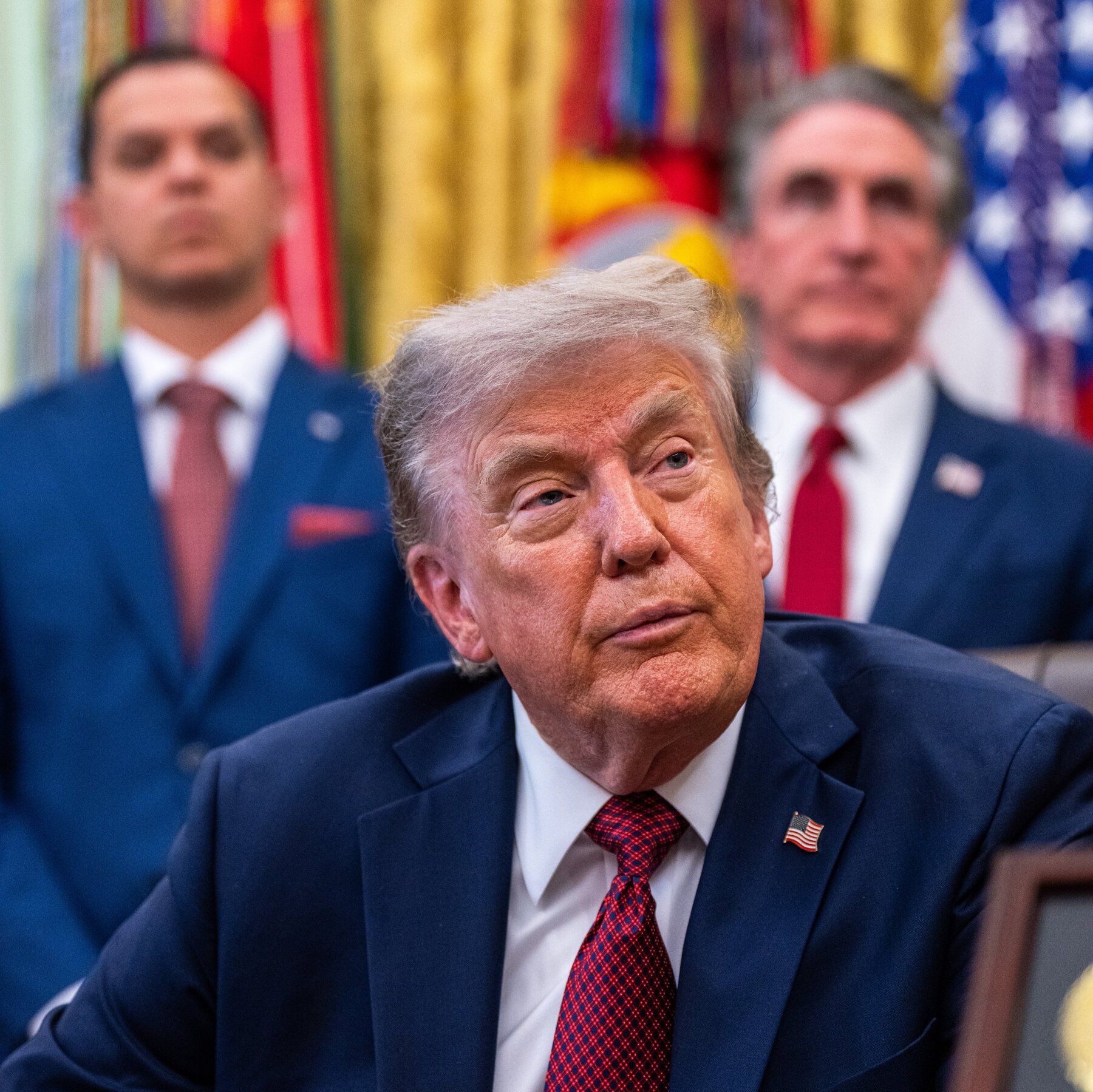
On a Sunday evening in mid-June 2026, Iranian Foreign Minister Abbas Araghchi was on the phone with Lebanese President Joseph Aoun, walking through the diplomatic choreography of a putative agreement with Washington. Within hours, separate wires carried two incompatible stories: an imminent Friday signing ceremony in Switzerland, and an indefinite postponement, pending Israeli behaviour in Lebanon. The Lebanese presidency confirmed the call in a public statement picked up by regional outlets including The Cradle; an unnamed Hezbollah official cited by Sprinter Press told media the other half of the story, that Iran had held back from signing until it could verify Israeli adherence to its ceasefire. By Monday morning, the two narratives were sitting side by side on the same desk, neither authoritatively retracted, neither authoritatively confirmed.
The headline cycle is moving faster than the diplomacy underneath it. That is the only honest reading of the past forty-eight hours. Wire traffic in the 22:00 UTC hour on Sunday carried Tasnim and PressTV summaries of Donald Trump's claim that Iran has "agreed never to acquire" a nuclear weapon, paired against Middle East Eye's live blog noting an Iranian denial of the same characterisations, and a separate Middle East Eye item in which an unnamed Israeli official is quoted as saying the war against Iran "may not have been worth launching." Pakistan is being floated as a mediator in some redistribution chains; Unusual Whales is amplifying the story to financial audiences. None of these are dispositive. Each is a fragment in a still-incomplete picture.
What Trump actually said
The core claim making the rounds originates with Trump's own rhetoric: that Iran has agreed never to acquire a nuclear weapon, and that further US military action against Tehran will not be necessary. "I hope we will have good relations and get along. And if we don't, we will go back to where we started," Trump is quoted as saying by Sprinter Press. The framing is familiar. Optimistic, transactional, with a quiet threat embedded in the conditional. Trump's own belief that the US will no longer need to use force is not the same as an Iranian commitment, and it is not the same as a signed instrument.
What Iran actually said
Iranian state media, carrying the Tasnim summaries on Sunday night, translated Trump's language but did not endorse it. Regional reporting via Palestine Chronicle noted Iran "confirmed approval of the memorandum of understanding," with a signing expected in Switzerland on Friday. The Hezbollah-cited delay adds a conditional layer: Iran wants to see Israeli behaviour on the Lebanese ceasefire before it puts pen to paper. Drop Site News, cited in the Middle East Eye live thread, reported that Tehran had brought psychiatric professionals into its advisory team during the indirect talks to help navigate Trump's behaviour, a detail that, if accurate, tells you more about Iran's working assumption than any of the communiqués do.
The shipping tells
Iranian media on Sunday evening said three oil tankers and two cargo vessels carrying essential Iranian goods had "passed" through the US naval blockade. If that reporting holds, it is the most consequential operational signal of the week. Blockades are not rhetorical instruments. If Iranian-flagged or Iranian-chartered tonnage is moving through a US-enforced perimeter without interception, either the blockade has been quietly relaxed, the deal is being implemented on the water before it is signed on paper, or the reporting is aspirational. Monexus cannot resolve which. But the shipping channel is where diplomacy of this kind becomes legible to people who do not read communiqués.
The honest gap
The Israeli official's line, that the war may not have been worth launching, is the kind of quote that gets lifted into a hundred headlines without its context. It is a single source, unnamed, speaking through Middle East Eye. It is not a policy statement from the Israeli government. Read alongside the OIC condemnation of a "Somaliland" embassy opening in occupied Jerusalem on the same Sunday, the regional picture is one of multiple parallel pressure systems: a US–Iran track, an Israel–Hezbollah track, a Jerusalem status track, none of which resolve into a single coherent frame.
What to watch this week
Three specific dates sit on the desk. First, the reported Friday signing in Geneva, contingent on Israeli ceasefire behaviour in Lebanon per the Hezbollah-cited account. Second, the next batch of Iranian oil-tanker tracking data, which will show whether the "passed through the blockade" reporting was real or rhetorical. Third, any read-out from Pakistan's mediating channel, which has been the most over-hyped and least-documented part of the story so far. Until those three resolve, the headline "US and Iran sign" should be treated as a conditional, not a fact.
The wire cycle is not the record. The wire cycle is the rumour of the record, moving at the speed of competing narratives. The job this week is to hold the difference between a Sunday signing and a Sunday mirage until the ink, or the tankers, say otherwise.
Sources
- Reuters wire summary, June 2026: http://reut.rs/44981Jo
- Tasnim News English (Telegram), "Trump's repeated rhetoric about Iran's nuclear program," 2026-06-15T23:29
- Middle East Eye live blog, "Live: US and Iran confirm peace accord signing set Friday Geneva," 2026-06-15T22:35
- Middle East Eye live blog, "Iranian media says three oil tankers and two ships passed through US naval blockade," 2026-06-15T22:34
- Middle East Eye live blog, "Iran brought psychiatric professionals into its advisory team," 2026-06-15T22:33
- Palestine Chronicle (Telegram), "Iran confirmed approval of the memorandum of understanding," 2026-06-15T22:03
- Sprinter Press (X), "Iran has postponed signing an agreement with the US," 2026-06-15T21:38
- The Cradle (Telegram), "Statement by the Lebanese Presidency on Araghchi–Aoun call," 2026-06-15T21:37
- Sprinter Press (X), Trump quoted on US–Iran relations, 2026-06-15T21:27
Desk note: Monexus ran the Sunday-signing cluster straight from the Reuters wires and the Unusual Whales redistributions, in that order of weight. The Pakistan mediation role and the Iranian denial are both foregrounded; the editorial choice to flag the gap between Trump's claim and Iran's is deliberate restraint against a wire cycle that is, at the moment of writing, moving faster than the underlying diplomacy.
Follow the event.
These dated source records provide context. They do not retrospectively verify this archive article.
Separate what the nuclear watchdog reported from what it could not determine after the June 2025 strikes.