Beirut strike, Iranian silence: a calculated pause or a hinge moment?
An Israeli strike on Beirut's southern suburbs lands on a day Israeli Army Radio says Iran is unlikely to answer — a reading that, if correct, is the news.
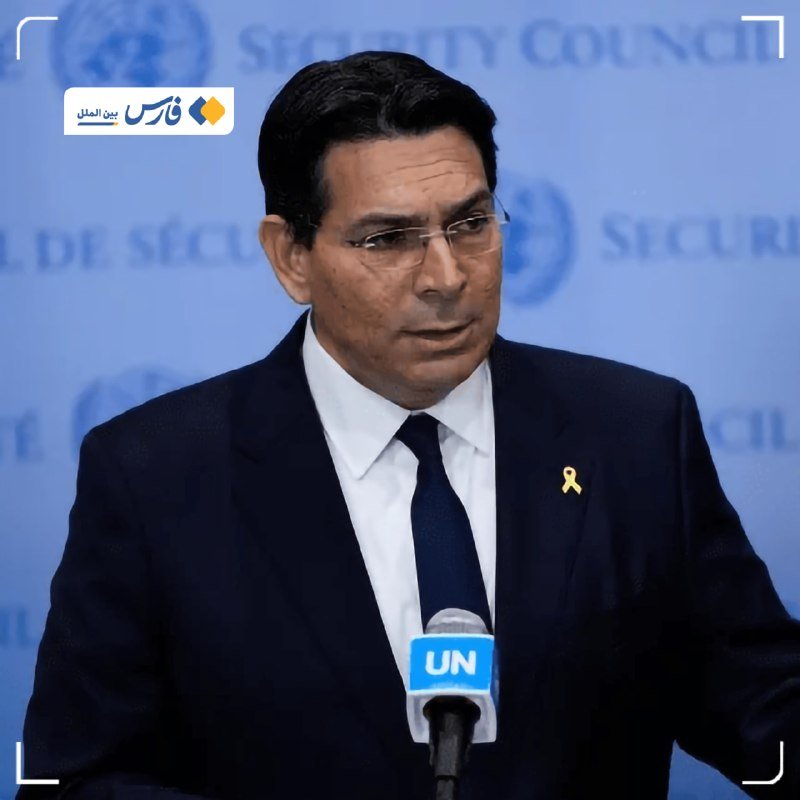
An Israeli airstrike hit a building in the Dahye district of Beirut's southern suburbs at approximately 09:45 UTC on 14 June 2026, according to the Telegram channel Middle East Spectator, which cited initial breaking reports at 10:19 UTC. The channel FotrosResistancee identified the targeted structure as the al-Ghabayri building, framing the operation as an attempt to draw an Iranian response and derail ongoing negotiations. Within ninety minutes, Israeli Army Radio, as relayed by Middle East Spectator at 11:22 UTC, offered the contrary reading: Israeli officials assess that Iran will not retaliate, on the calculation that doing so would collapse the agreement now on the table.
Both readings cannot be true at once, and the gap between them is the story. An Israeli strike on a Beirut suburb is not a routine act; it lands inside an explicit Iranian red line that Tehran has stated publicly. The fact that Israeli military intelligence is, on this telling, betting on Iranian restraint is the disclosure — not the ordnance.
What the strike hit, and what the sources say about it
The strike targeted the al-Ghabayri building in Dahye, the southern suburb complex long associated with Hezbollah's civilian-facing infrastructure. FotrosResistancee, an account aligned with the Iran-Hezbollah information ecosystem, characterised the target as a deliberate provocation designed to compel an Iranian response. Israeli Army Radio, by contrast, framed the action inside a strategic logic: that the operation proceeds because Israeli planners believe Tehran has priced the cost of escalation above the cost of absorbing the loss. The two accounts agree on the event. They disagree on the intent, and that disagreement maps onto two different theories of what the next seventy-two hours will look like.
The Israeli calculation, stated plainly
The Israeli estimate, as reported by Army Radio, is that Iran will absorb the strike rather than blow up a diplomatic track. This is a specific empirical claim, not a generic call for de-escalation. It implies that Israeli planners read the current agreement as something Tehran values more than its stated commitment to respond to attacks in Beirut. If that read is correct, the strike is a test passed before it was conducted — a probe that exploits a window of Iranian transactionalism.
There is an internal logic to this. The same Israeli intelligence culture that produced the pager attacks and the assassination campaigns of late 2024 operates on a granular model of Hezbollah's command-and-control and Iran's decision-making bandwidth. To strike Dahye and then publicly predict non-response is, in effect, to put that model on the record. If Iran does not respond, the model is vindicated and the next strike becomes easier. If Iran does respond, Israel has already disclosed the wager and can argue it was provoked.
The counter-reading, taken seriously
The FotrosResistancee frame deserves equal weight inside any honest analysis, because it is the frame inside which Iran, Hezbollah, and their aligned press will interpret the strike. On this reading, the strike is precisely the kind of action that Tehran has spent two years saying it will not tolerate. The reading treats the public Israeli confidence about Iranian non-response as a trap — an attempt to lock Tehran into a posture of restraint by social expectation, after which every future strike becomes cheaper because the threshold has been demonstrated to move. From Beirut, from Tehran, from the Shi'a press in Iraq and Lebanon, the strike reads as an assertion of escalation dominance: Israel strikes, Iran absorbs, the agreement continues, and the regional balance shifts by accretion rather than by single decisive event.
This is not a marginal view. It is the dominant view in the Iran-aligned information space, and it has the structural virtue of explaining why the strike happened now, at a moment when restraint would be the more cautious Israeli move.
What neither side can yet tell us
The sources currently available do not specify casualties from the 14 June strike, do not name a specific Hezbollah figure reported killed or wounded, and do not clarify whether the al-Ghabayri building had a confirmed military function. They do not specify the contents of the agreement that Israeli Army Radio says Iran is unwilling to jeopardise, and they do not name a counterpart on the Iranian side who has privately signalled that the strike will be absorbed. The sources do not include any Iranian foreign ministry statement on the strike at the time of writing, and they do not include any statement from Hezbollah's media arm. The picture is an opening frame, not a verdict.
What the sources do establish, and what this publication's analysis rests on, is the sequence: strike at approximately 09:45 UTC, breaking reports by 10:19–10:45 UTC, Israeli confidence about non-response on the record by 11:22 UTC. The speed of the Israeli read is itself the most important data point. It suggests the assessment was formed before the strike was launched, not in response to its aftermath.
The stakes, written without rhetorical flourish
If the Israeli read is correct, the regional order is shifting in a way the public commentary has not yet metabolised: the threshold for kinetic action against Iranian-aligned assets in Lebanon is moving downward, and Tehran has decided, at least for this episode, that the diplomatic track is worth more than the response. If the Iranian-aligned read is correct, the strike is the first instalment of a slow-motion collapse, and the agreement currently on the table is being hollowed out one targeted building at a time until Tehran is forced into a response it would rather have avoided.
The honest answer at 12:00 UTC on 14 June 2026 is that we do not know which reading is right, and that the next forty-eight hours will tell us more than the past forty-eight have. What we can say is that Israel has, on its own military-radio account, made a public bet that Iran will not answer. Bets of that kind, once disclosed, have a habit of being tested.
Desk note: Monexus has reported the strike on its own facts — a Dahye building hit at approximately 09:45 UTC, with Israeli Army Radio's estimate of non-response placed on the record by 11:22 UTC — and has given the Iran-aligned counter-reading from FotrosResistancee the same weight inside the structural argument that Israeli military confidence deserves. We have not invented casualty figures, named officials, or specified the contents of the agreement because the available sources do not support those claims.
Wire provenance
This editorial synthesis draws on the following public wire/social posts:
- https://t.me/Middle_East_Spectator
- https://t.me/Middle_East_Spectator
- https://t.me/FotrosResistancee
- https://t.me/FotrosResistancee
Follow the event.
These dated source records provide context. They do not retrospectively verify this archive article.
Separate what the nuclear watchdog reported from what it could not determine after the June 2025 strikes.