Curaçao at the World Cup, and the football map redrawn
Curaçao's first World Cup match, against Germany on 14 June 2026, is less about the scoreline than about a 48-team tournament that has rewritten who gets to play whom, and why.
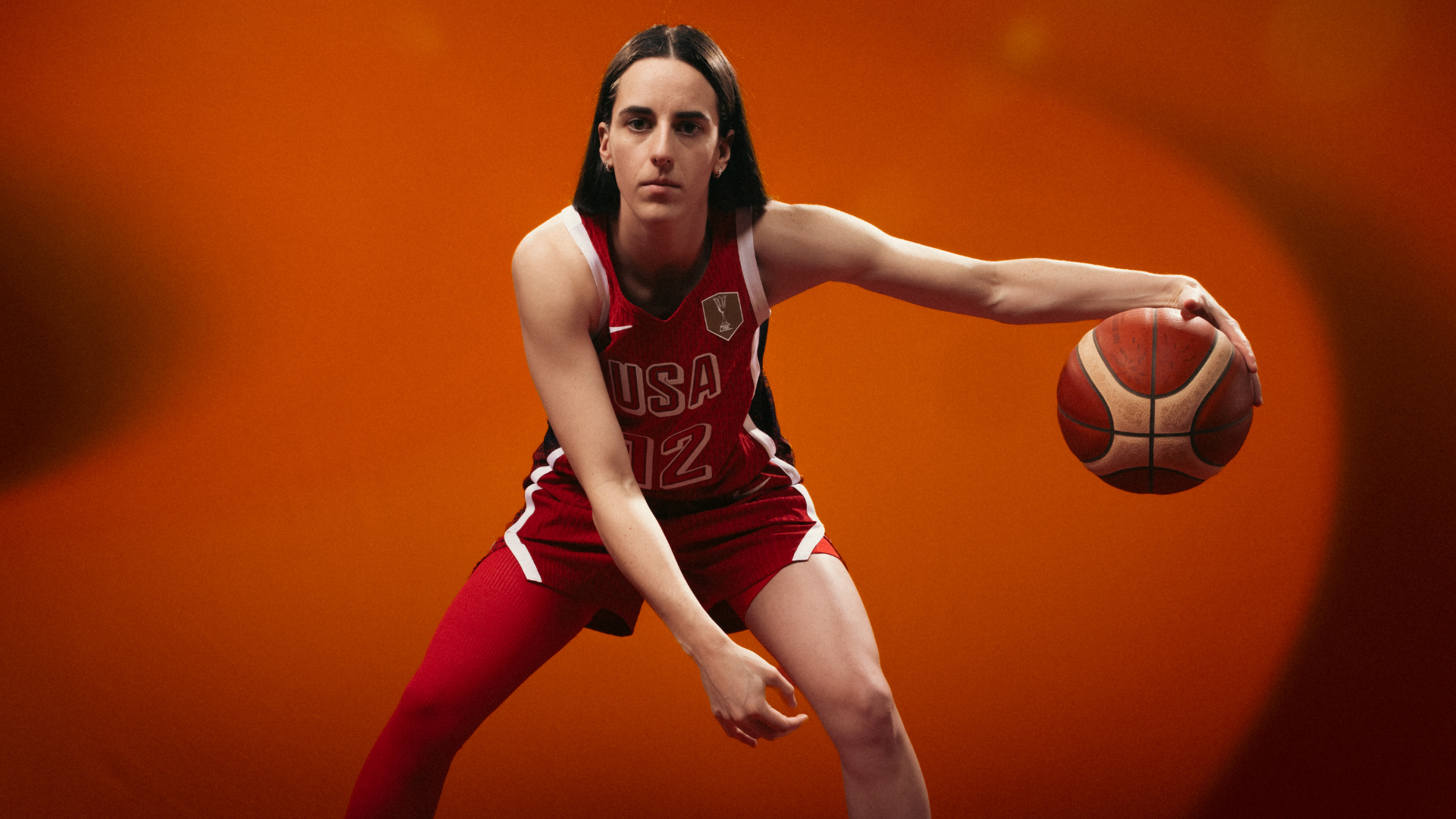
On Sunday afternoon, 14 June 2026, in a group-stage fixture the international federation's own bracket-makers had billed as a mismatch, Germany walked out to face Curaçao, a 152,000-strong Dutch Caribbean island whose footballing footprint until now existed mostly in qualifying footnotes and diaspora WhatsApp groups. The match is the first World Cup finals appearance in Curaçao's history, and the players who took the field carried the unusual distinction of being drawn from a squad selected on European pitches as much as on Caribbean ones. Wire confirmation of the closing score and goal-scorers was not in the materials available to the desk at time of writing, but the result of the match matters less to the larger story than the fact that it is being played at all.
The numbers behind Curaçao's run are stranger than most continental first-timers. The island, an independent country within the Kingdom of the Netherlands, has a population smaller than that of Bolton or Brno, yet qualified for the expanded 48-team tournament that FIFA inaugurated in 2026. That structural change, more goals, more slots, more group games, more time on American television, has quietly rewritten the entry conditions for the World Cup. Where the 32-team era demanded near-perfect qualification campaigns to slip through UEFA's overcrowded funnel, the 48-team field opens doors to confederations whose football infrastructure is thinner and whose broadcasters carry less weight. Curaçao did not break the door open. FIFA widened it.
The German reaction to the draw was instructive. Coverage of the fixture in European press treated the match as a footnote on the way to more consequential group-stage ties, a routine three points for a side expected to be contesting the knockout rounds. The framing reveals something about how the football map was drawn before 2026 and how it is being redrawn now. Germany-Curaçao is not, on paper, the kind of fixture that earns front-page column-inches in Berlin or Munich. Twenty years ago, the fixture would not have existed. The expansion has produced 16 more matches like this one, matches that under the old arithmetic were qualifying-round dead ends in Paramaribo or Willemstad and are now group-stage fixtures in Atlanta, Houston and Foxborough.
The other fixtures crowding the Sunday slate make the rebalancing visible. On the same day, teleSUR's match updates carried news of Norway leading Iraq 2-1 at halftime in Foxborough, with Erling Haaland scoring twice for the Norwegians and Iraq responding through a series of close-range efforts from Aymen Hussein and Ali Al Hamadi that the Norwegian defence scrambled clear. Iraqi Assyrian fans in the Gillette Stadium stands waved their flag, a small but pointed image: a squad drawn largely from the country's resilient domestic league, facing a side built around a single global superstar, with the score tighter than the talent gap suggests it should be. Earlier in the day, France had beaten Senegal 3-1 in a fixture that doubled as a coronation for Kylian Mbappé, whose two goals took him past Olivier Giroud as France's all-time leading scorer. The tournament's opening days have produced an unusually wide spread of results.
The structural frame here is plain. FIFA's 48-team World Cup was sold to broadcasters and federations as a commercial expansion, more matches, more inventory, more advertising slots in more time zones. The political case for expansion, made by the same officials who pushed the format through, was that a tournament claiming to crown a world champion cannot plausibly exclude a third of its member associations at the qualifying stage. Both arguments are real. What neither argument advertised clearly enough was that expansion also redraws the hierarchy of opponents. A group that under the old format might have paired Germany with the Netherlands and Sweden now pairs Germany with Curaçao and a third qualifier, with the cumulative difficulty shifting in ways that affect seeding, prize money and the path to the round of 16. The island's presence in the bracket is not symbolic in the way tournament organisers like to claim. It is functional. It changes the maths.
What to watch between now and the knockout rounds is whether the Curaçao story remains a one-tournament curiosity or becomes a precedent. Other small associations, from Cape Verde, whose goalkeeper Vozinha's mother was reported by Reuters to have missed her son's World Cup debut in Atlanta because of visa issues and the cost of travel, to the Pacific Island and Caribbean qualifiers in the next cycle, are watching. The expanded format is the new normal for at least the next two tournaments. The question for the game's traditional powers is whether their domestic leagues and broadcast partners treat fixtures like Germany-Curaçao as warm-ups or as the kind of games that, every four years, quietly reset who counts as a footballing nation.