Tehran's deal, Washington's deadline, and the Strait that moves the world
A draft framework reportedly trades oil sanctions relief and frozen assets for nuclear limits, with the Strait of Hormuz as the prize — and Sunday as the clock.
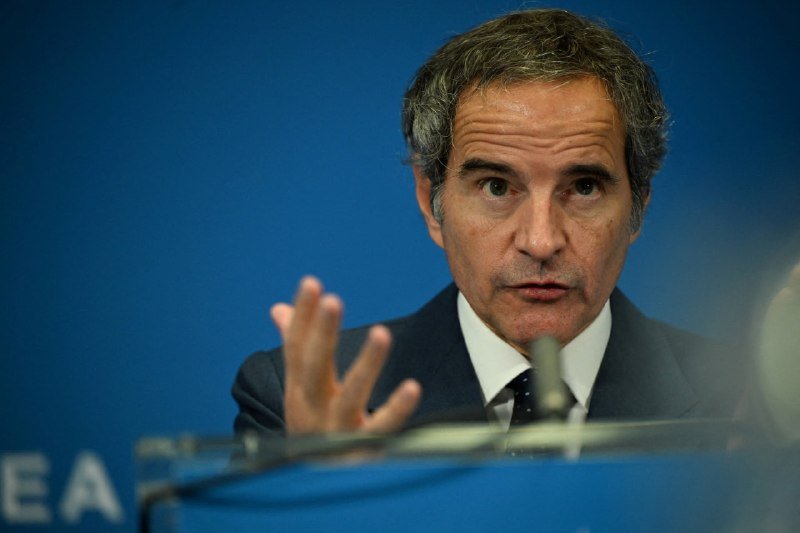
The draft on the table in Washington and Tehran, as Reuters reported on 14 June 2026, runs to three moving parts: an oil-sanctions waiver for Iran, nuclear constraints calibrated to leave the country's enrichment infrastructure standing, and the release of frozen Iranian assets. Surrounding that core sits a separate, louder variable — the Strait of Hormuz, the narrow waterway through which a meaningful share of seaborne crude moves, and which the US president says will be "open to all immediately after deal is signed." The deadline attached to the package, in the words of the same US president, is Sunday.
The argument this publication is making is straightforward: the deal is not really about the deal. It is about whether Washington's sanctions architecture can be re-tightened after being loosened, whether Tehran can re-insert itself into oil markets without paying a domestic-political cost at home, and whether the Gulf chokepoint survives another cycle as the lever it has been since 1979.
What is actually on the table
The architecture of the framework, per the Reuters wire of 14 June 2026 at 10:35 UTC, is conventional late-stage sanctions diplomacy. Iran gets a sanctions waiver that allows its crude back into formal market channels. The US gets a written ceiling on Iran's nuclear programme. Frozen assets move in the third lane, the part of any Iran deal that matters most to Iranian officials who have to defend the result to a public that has felt the bite of isolation for years.
The Hormuz commitment sits adjacent to that core and is, on the numbers, the more consequential concession. A credible guarantee of free transit through the strait is, in effect, an insurance policy for the global oil trade. It is also the one commitment that, if it holds, validates the whole framework. If it does not, the deal is a sanctions adjustment with a nuclear side-letter — important, but not the strategic reset the timelines suggest.
The counter-narrative Tehran is selling at home
The story running through Iranian state-aligned and regional outlets on 14 June is a victory frame. Firstpost's morning brief, in a piece headlined as a "birthday gift" from Iran to Donald Trump, leaned into the optics of a deliverable landed on schedule. The structural argument underneath is older and more useful: Iran went into this round with depleted missile stocks, an economy under sustained pressure, and an active war in its near abroad — and emerged with sanctions relief, asset release, and a Hormuz commitment the US has put on the record.
That reading has real support. South China Morning Post's reporting, filed earlier the same morning, makes the harder case: that Tehran used the period of the US-brokered ceasefire to replenish precisely the missile stockpiles the next round of sanctions enforcement is supposed to constrain. Both can be true. Iran can walk away with an oil deal and still be the same regional military actor it was when the talks began. The framework does not, on the public text, touch missile inventories, proxy capabilities, or the regional posture that worries Gulf states and Western planners alike.
Why the Strait is the real prize
Hormuz is the lever. Roughly a fifth of seaborne crude transits the strait; any sustained disruption moves the Brent benchmark inside hours, and the political temperature in importing capitals inside days. The US president's statement of 14 June at 05:31 UTC — that the waterway will be "open to all immediately after deal is signed" — is therefore not boilerplate. It is a price-stability commitment issued under US authority, made weeks before the relevant US midterm cycle starts moving the political weather.
The crypto-market read on the same package, recorded by Cointelegraph on 14 June at 05:07 UTC and echoed across the day's commentary, is the canary the desk finds most useful. If the framework holds, the analyst Michaël van de Poppe argued, the reopening of Hormuz pulls liquidity back into risk-on assets including cryptocurrencies, on the simple logic that a credible oil price ceiling loosens the macro constraint on every other risk asset. That is a market's-eye view of the deal, and it is unflattering to the harder-edged national-security frame: the biggest single consequence of the framework, on the wires available, is being priced in basis points on digital-asset order books.
What remains unresolved
The schedule, for a start. The US president has said Sunday. Tehran's public line, as of the Reuters dispatch of 14 June 2026, is that a deal is being negotiated — not that it is signed. Contradictions of that kind, between an announced deadline and an unsigned text, are not unusual at this stage of a sanctions package, and they are also not costless. Each public clock-tick raises the cost of walking away, on both sides, and also the cost of signing something thin.
The harder unknowns are structural. Will the sanctions waiver be structured as a broad licence or a narrow exception, and which Iranian counterparties does it cover? Will the nuclear ceiling be enforced by inspectors the Iranian system has previously restricted, or by a domestic reporting arrangement that does not survive the first crisis? And on Hormuz specifically: does "open to all" mean transit only, or does it extend to the kind of selective harassment of Israeli-linked shipping that has defined the past two years? The wires do not yet say.
This publication will treat the Sunday deadline as a working hypothesis, not a fact, and will revise as signed text becomes available. The structural read — that Hormuz is the prize the rest of the framework is priced against — holds either way.
Wire provenance
This editorial synthesis draws on the following public wire/social posts:
- http://reut.rs/4xxOm3u
Follow the event.
These dated source records provide context. They do not retrospectively verify this archive article.
Separate what the nuclear watchdog reported from what it could not determine after the June 2025 strikes.