Israel's security cabinet meets as US-Iran deal narrative hardens
Hebrew-language media reported on 14 June 2026 that Israel's security cabinet would convene to review a putative US-Iran understanding, even as an Israeli outlet framed Tehran as the agreement's chief beneficiary.
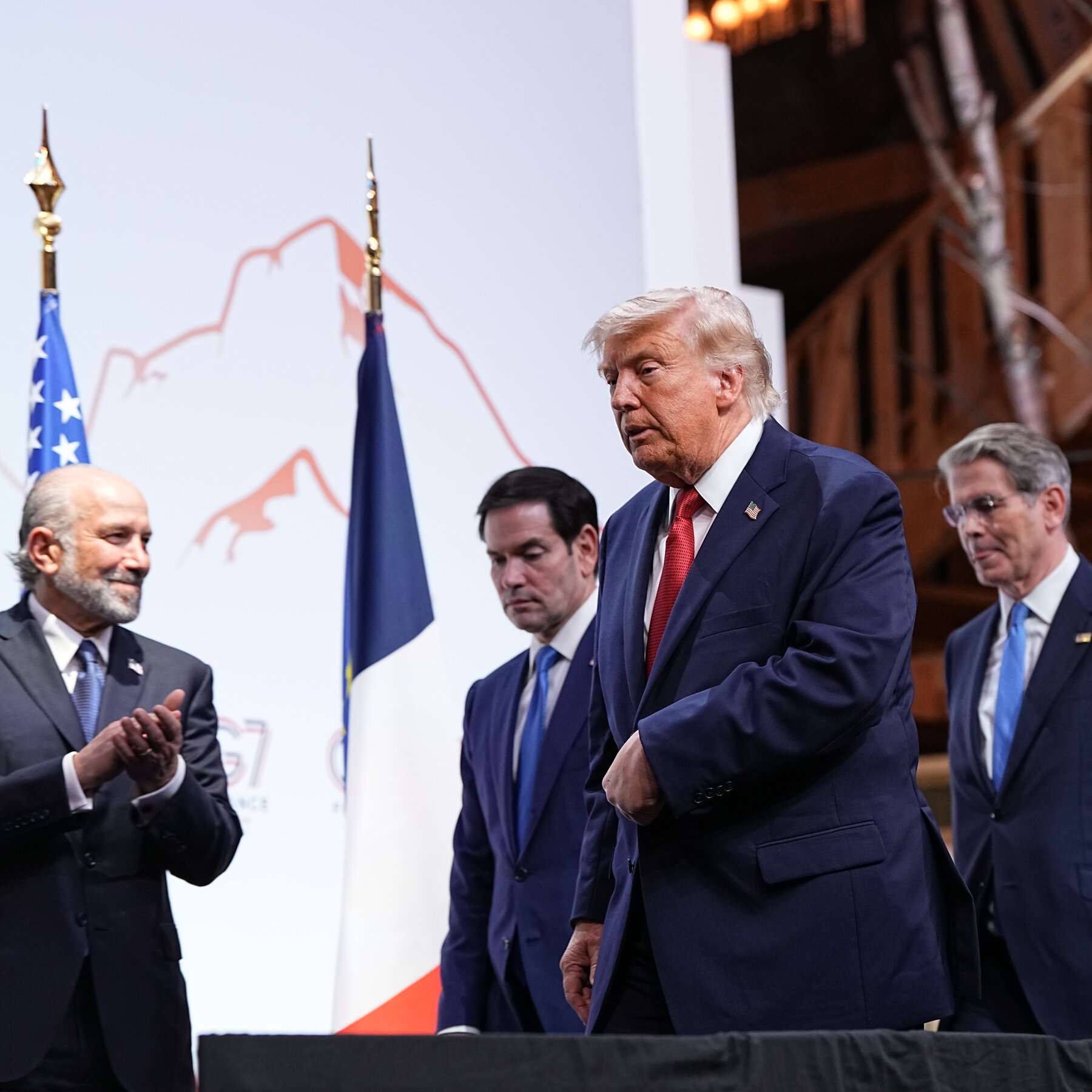
Israel's security cabinet was due to convene on Sunday, 14 June 2026, Hebrew-language media reported in the early morning hours UTC, to review a possible understanding between Washington and Tehran that an Israeli outlet has already characterised as a strategic win for the Islamic Republic. The framing, surfacing in Maariv and relayed in translation by the Beirut-based pan-Arab channel Al-Alam at 04:46 UTC, sets the terms of an unusually public Israeli complaint before the cabinet has even sat (Al-Alam, 14 June 2026, 04:46 UTC). The meeting itself was carried in parallel by Iran's state-aligned Tasnim and Mehr News outlets, both of which cited the same Hebrew-media report at 04:35 and 04:42 UTC respectively (Tasnim, 14 June 2026, 04:35 UTC; Mehr News, 14 June 2026, 04:42 UTC).
The reporting is notable less for the agenda item — Israeli cabinets regularly convene to weigh regional diplomacy — than for the unanimous, pre-meeting verdict already issued in the Israeli press. The expected agreement, Maariv is quoted as saying, "shows that Iran is the undisputed major victor." The phrase is doing diplomatic work that the underlying document, which no source has published, cannot yet do. It is a framing deployed in advance of cabinet review, not after it.
What the sources actually say
Four wire items from the early UTC hours of 14 June 2026 form the basis of the available reporting. The Hebrew-media reporting, summarised in Arabic by Al-Alam, says the security cabinet of what Al-Alam and Iran's state outlets describe as the "Zionist regime" will meet on Sunday to review the putative understanding. None of the four items name the agreement, attach text, name the negotiators, or specify a timeline. Each item functions as a relay of the same upstream Hebrew-media report. The structure is the story: Israeli outlets are circulating a strong framing, Iranian state media are amplifying it, and a pan-Arab channel is translating it into Arabic. The substantive content — what Washington has offered and what Tehran has conceded — is not in the record.
This matters because the dominant headline in the Israeli coverage is a verdict, not a description. A deal "showing that Iran is the undisputed major victor" is a claim about asymmetry, and it lands before the Israeli cabinet has officially weighed in. Israeli security concerns, including the long-standing objections to enrichment on Iranian soil, missile-program constraints, and the question of sanctions relief sequencing, are presumably on the table; the public-facing Hebrew framing, however, is leading with the politics of who blinked first.
The counter-narrative, mostly absent
Maariv's verdict is not the only read available. Israeli security establishments have historically split on the question of whether diplomatic architecture with Iran is preferable to open confrontation, and the cabinet's deliberation on 14 June will presumably surface internal disagreement. Hebrew-language outlets critical of the current government — including the broadsheet Haaretz — have in past reporting questioned the strategic value of confrontation absent allied coordination, a position that, if extended to the present case, would complicate the "major victor" framing. The wire items in this thread do not contain that counter-current; they carry the verdict of one Israeli outlet and the Iranian-state relay of it. Readers should treat the asymmetry claim as the position of a section of the Israeli commentariat, not as a settled government view.
Iranian state media's role here is structural, not editorial. Tasnim, Mehr, and Al-Alam are running the same Hebrew-media line in the same window, which functions as a coordinated push to harden the regional perception of the deal before any official text is published. Tehran benefits from a frame in which Washington is depicted as having conceded more than it received; Jerusalem, conversely, has an interest in a frame that pressures Washington to harden the terms or walk away. The fact that the same upstream report is doing work for both is the kind of media dynamic that, in plain editorial terms, rewards scepticism about who set the original brief.
The structural pattern
What is unfolding fits a recognisable pattern in regional diplomacy: the public verdict outruns the agreement itself. The 2015 Joint Comprehensive Plan of Action was preceded by months of leaks from each side claiming the other had over-reached, and the public framing in Israeli and Iranian media shaped the deal's domestic reception long before the final text was disclosed. The current reporting sits in that lineage. A US-Iran understanding, if one is indeed close, will be sold to three audiences — the Iranian public, the Israeli public, and the US Congress — and each audience needs a different story. The early wire traffic is laying the foundation for at least two of those stories simultaneously.
The unreported substance is the leverage question. Israeli objections to a US-Iran understanding, when they are recorded on the record, generally cluster around three points: the speed and scope of sanctions relief, the verification regime for any nuclear constraint, and the disposition of Iranian-backed armed formations on Israel's borders. The current wire items do not specify which of these the Israeli cabinet will focus on, nor do they indicate whether the cabinet has been formally consulted on the text or is reacting to leaks. That gap is the story's most consequential silence.
Stakes and what to watch
The 14 June 2026 cabinet meeting is unlikely to produce a single decisive public verdict. Cabinets reviewing live negotiations tend to issue tightly worded summaries, and the more revealing output will be who is read in, who is briefed, and whether the meeting concludes with a public statement at all. A publicly aired objection by a named minister would be a signal that the Israeli government is preparing to push back on the terms; a closed-door conclusion with no read-out would suggest alignment with Washington's working framework, whatever Maariv's framing implies.
For now, the public-facing record is a single Hebrew-media verdict, amplified across the region, with no underlying text and no on-record comment from any government named in the deal. That is a thin basis on which to declare winners. It is, however, a perfectly serviceable basis on which to declare a narrative contest underway — and that is the contest the next 48 hours will resolve, one way or another.
This article relied on Hebrew-media reporting relayed in translation by pan-Arab and Iranian state outlets. Monexus is sourcing the framing claim to those outlets as published, while flagging that the underlying agreement text and on-record government positions have not yet been published in the items reviewed.
Wire provenance
This editorial synthesis draws on the following public wire/social posts:
- https://t.me/alalamarabic/0
- https://t.me/mehrnews/0
- https://t.me/alalamfa/0
- https://t.me/JahanTasnim/0
Follow the event.
These dated source records provide context. They do not retrospectively verify this archive article.
Separate what the nuclear watchdog reported from what it could not determine after the June 2025 strikes.