The Knicks and the end of the 53-year wait: what a championship is actually for
A franchise that had not won a title since 1973 is back on top. The interesting question is not who took the trophy home, but what a city gets to do with a moment like this.
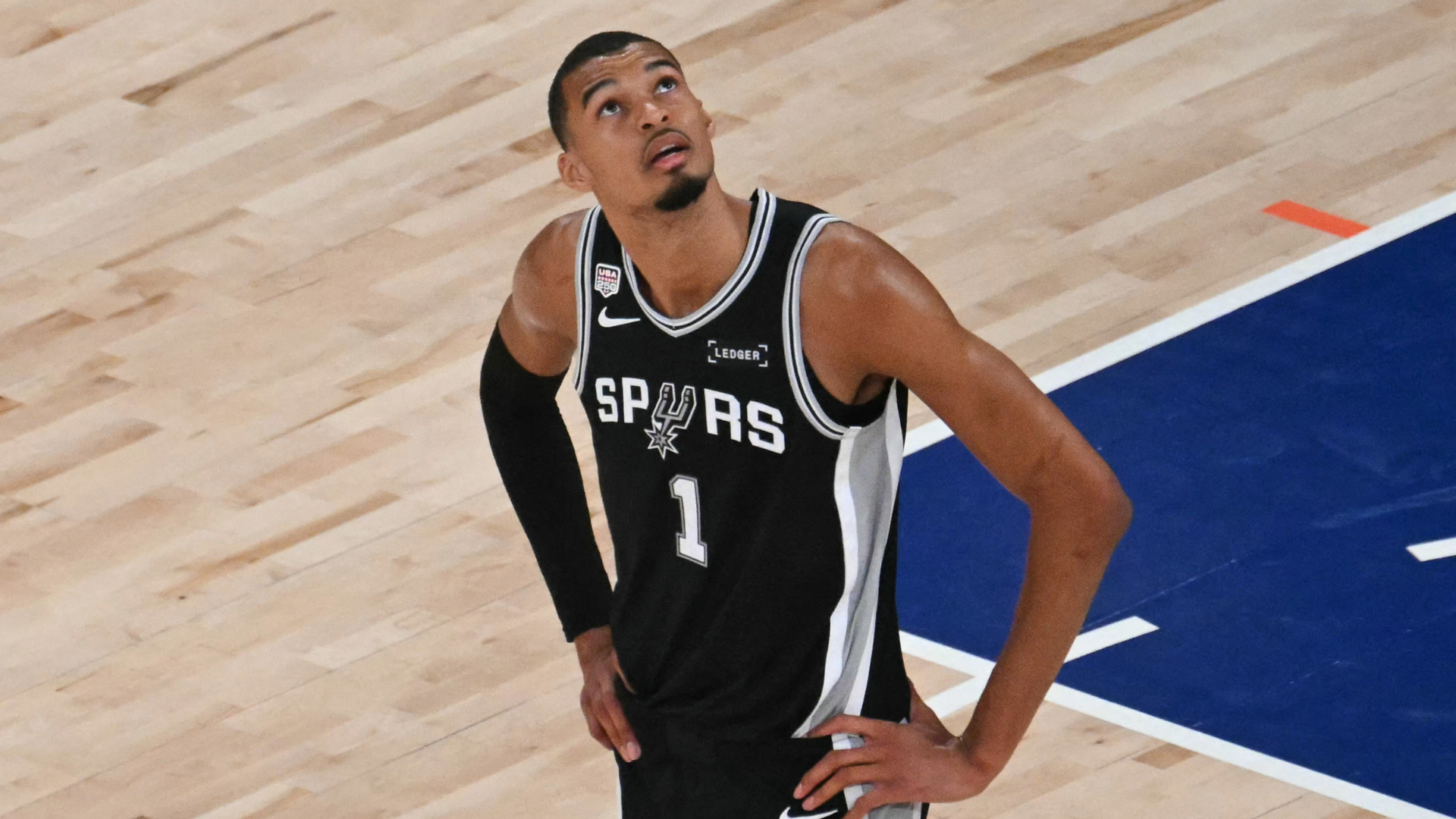
At roughly 03:40 UTC on 14 June 2026, the New York Knicks closed out the San Antonio Spurs in Game 5 of the NBA Finals. According to FRANCE 24, the win delivered the franchise its first NBA title in 53 years. The Knicks had not stood on this particular stage since 1973, a drought long enough to outlast three generations of fans, two ownership eras, and roughly the entire arc of cable television. The Spurs, behind Victor Wembanyama, pushed them to a fifth game, but no further.
The interesting question is not who took the trophy home. It is what a city actually gets to do with a moment like this, and how much of the meaning is real, how much is rented, and how much is the league office's job description.
The trophy is a permit
A championship is, in the first instance, a permit. It authorises a city to feel briefly, comprehensively good about itself in a way the rest of the calendar does not allow. The Knicks have spent 53 years being a useful prop — the punchline, the moral lesson, the analytics case study, the leverage in a thousand trade-deadline arguments. On the night of 13–14 June, that load lifted. That part is genuine and worth taking seriously. New York is a press-the-leverage kind of place, and a 53-year sentence ending is not a small thing.
It is also a permit the league is structurally inclined to hand out. The NBA's commercial model depends on its biggest markets feeling that the product is theirs, and Madison Square Garden is the biggest market of them all. The point is not to allege anything improper about the result, which FRANCE 24 reports was decided on the floor in a five-game series against a credible Wembanyama-led Spurs side. The point is to notice that the league's incentives, the network's incentives, and the city's incentives all point in the same direction: this outcome was good for business. That is not a scandal. It is a pattern, and patterns are what editors are for.
What the Wembanyama storyline does
San Antonio's run deserves more than a footnote. Wembanyama is, by any reasonable account, the most atypical prospect the league has produced in two decades, and the Spurs' appearance in the Finals at this point in his career is itself a remarkable feat. FRANCE 24's framing — "Pas de miracle dans le match 5" — gets at the right note: there was no miracle available, only execution, and the Knicks had more of it.
A counter-narrative worth taking seriously: had the Spurs won, the league would have a tidy generational story and a clean handoff narrative to run for the next decade. New York's win is messier. It does not point to the future quite as neatly; it points to a city, and cities are harder to monetise into a single arc. Some of the post-series commentary will be, in effect, marketing copy trying to retrofit the Knicks' win into a generational storyline. That retrofit will be partially true and partially silly, and the reader's job is to keep them apart.
The 53-year thing is mostly sentimental, and that's the point
Most sports talk around a drought this long drifts into metaphysics — curses, spirits, the ghosts of Willis Reed and the 1994 finals. None of that holds up to even a minute's inspection. The Knicks did not lose in 1973 and then remain trapped by some hex. They lost because the league got better, their front offices got worse, their cap sheets got uglier, and for long stretches their best players wanted to be elsewhere. A title in 2026 is the product of decisions made in the last three to five years, not a settling of accounts from 1973.
And yet the 53-year frame is the one the city will use, because it is the one that lets New York feel that the win belongs to everyone who waited, not just to the roster on the floor. That collective claim is sentimental rather than analytical, but sentiment is the actual currency of professional sport. The trophy is a piece of metal; the 53-year frame is what turns it into a shared possession. Pretending otherwise is its own kind of naivety.
What this is actually for
The honest case for caring about a Knicks championship in a year like 2026 is narrow and sufficient. Cities need occasions to gather, and the occasions on offer are mostly grim. A parade, a few weeks of civic self-regard, the temporary suspension of the usual posture of managed decline: these are not trivial goods. They are also not large ones, and the league, the sponsors, and the local press will do their best to convert the moment into something larger than it is. The reader's job is to enjoy the game, take the title seriously as a sporting result, and resist the part of the coverage that insists a basketball championship is a referendum on a city's soul.
It is, finally, a basketball result. FRANCE 24 reports the Knicks won the series in five games. That is what the box score will say in 2079, and it is enough.
This piece treats the Knicks' title as a sporting event first, a civic occasion second, and a media product third — in that order, deliberately.
Wire provenance
This editorial synthesis draws on the following public wire/social posts:
- https://t.me/rnintel
- https://t.me/france24_fr