Nabatieh strikes show the Israel-Lebanon ceasefire is a fiction on paper
Israeli airstrikes on Al-Sharqiya in Nabatieh Governorate on 14 June 2026 mark the latest in a rolling pattern of ceasefire breaches — and the cost of treating the November 2024 arrangement as if it were holding.
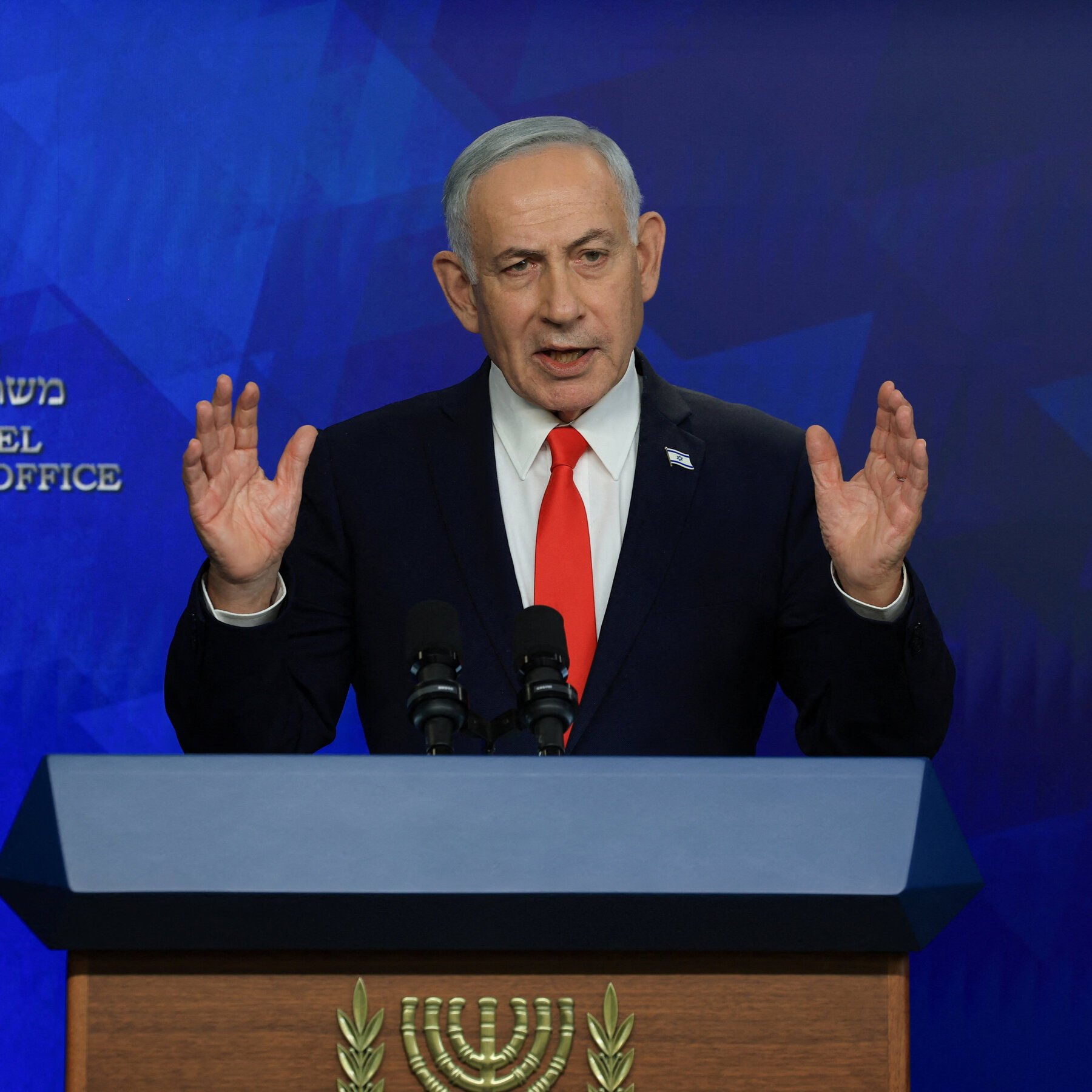
At roughly 08:44 UTC on 14 June 2026, Israeli warplanes hit the area around Al-Sharqiya in Nabatieh Governorate, southern Lebanon. The strike was reported within minutes by The Cradle, an outlet close to the regional axis, and corroborated by Iran's Mehr News Agency, which framed the attack explicitly as a "continued violation of the ceasefire." No Israeli military confirmation, casualty figure, or specific target identification appeared in the thread evidence at the time of writing. That asymmetry — Lebanese and Iran-aligned outlets breaking the story first, Israeli spokespeople silent — is itself the story.
The November 2024 ceasefire arrangement was supposed to end the Israel-Hezbollah front of the Gaza war. Nineteen months later, it exists mostly as a piece of paper. Israeli strikes on south Lebanon have continued at a tempo the agreement was never designed to absorb; the Lebanese state, crippled by its own economic collapse, has been unable or unwilling to enforce its own terms. Nabatieh is the latest locality to absorb that gap.
The pattern is no longer a violation — it is the policy
A single strike, in isolation, is the kind of friction ceasefire machinery is built to absorb. The problem is that there is no longer anything isolated about it. Reporting from The Cradle and Mehr News over recent months has tracked a steady cadence of Israeli air activity in the Nabatieh, Bint Jbeil, and Marjeyoun districts — a cadence the November arrangement was meant to retire. Each individual incident is described by Beirut and Tehran as a "violation"; each is treated by the Israeli military, when it engages, as a precision strike against a specific military asset. The framing gap is total. There is no shared operational definition of what the ceasefire permits, and the side that does not need the agreement to hold has the heavier aircraft.
Israeli security concerns along the northern border are real and longstanding. They are also not, on the available reporting, being met by this pattern of strikes. Rockets into Israeli territory have continued at low volume; the political returns in Beirut, in terms of Hezbollah's effective disarmament, have been negligible. The strikes are buying time, not capacity — and the cost of that bargain is being paid in stone and glass in towns like Nabatieh whose residents were promised the deal would end exactly this kind of night.
A regional architecture straining in every direction
The ceasefire's collapse is not happening in a vacuum. It sits inside a wider Middle East that is, in 2026, visibly less interested in the American-managed status quo than at any point since 1991. The Iranian-led axis has been weakened — Hezbollah degraded, Assad gone, the Houthi file complicated — but it has not been pacified. Iran retains the ability to supply, fund, and direct allied political and military formations across the region, and the strikes on Nabatieh will be read in Tehran not as a tactical event but as a confirmation that Israel's red lines remain kinetic, not diplomatic. That reading does not push the region toward restraint; it pushes it toward the next round.
Lebanon is the weak joint in this architecture. Its army is under-resourced; its political class is split between a presidency that wants enforcement and a Shia constituency that views the strikes as evidence the agreement is already dead. A ceasefire that is enforced by neither side, observed by neither side, and reported on by neither side through compatible language is not a ceasefire. It is a word used to manage the gap between what is signed and what is happening.
What the evidence does and does not say
The thread evidence for this piece is thin in one specific way: it comes exclusively from outlets on the Lebanese and Iran-aligned side of the information environment, and it is reporting the event as it breaks. Mehr News carried it; The Cradle carried it, twice in four minutes across two channels. There is no Israeli military spokesperson statement, no UNIFIL readout, no Lebanese army communique, and no casualty figure in the material available at 08:56 UTC. A reader in Beirut, a reader in Tel Aviv, and a reader in Washington should all expect to learn more in the next 24 hours — and should treat the available reporting as the opening of the story, not the record of it.
What is not in doubt is the location, the approximate timing, and the basic shape of the event. Nabatieh has been struck before. It will be struck again. The question that this latest round puts to the governments which brokered the November deal — France, the United States, the Lebanese state itself — is whether the word "ceasefire" still describes the arrangement, or whether it is time to admit the vocabulary has outlived the reality on the ground.
Monexus filed this piece on 14 June 2026 from the wire feeds as the event developed. The framing departs from the standard Western-wire line — which often treats the November deal as still broadly in force — on the grounds that a pattern of strikes reported across multiple months, including this latest incident in Nabatieh, no longer supports that characterisation.
Wire provenance
This editorial synthesis draws on the following public wire/social posts:
- https://t.me/mehrnews
- https://t.me/thecradlemedia
- https://t.me/TheCradleMedia
Follow the event.
These dated source records provide context. They do not retrospectively verify this archive article.
Separate what the nuclear watchdog reported from what it could not determine after the June 2025 strikes.