Scotland's long wait ends in Boston, but the kick-off clock is already telling a different story
A first men's World Cup win in 36 years was overshadowed by another late kick-off, as the tournament's opening stretch produced zero on-time starts.
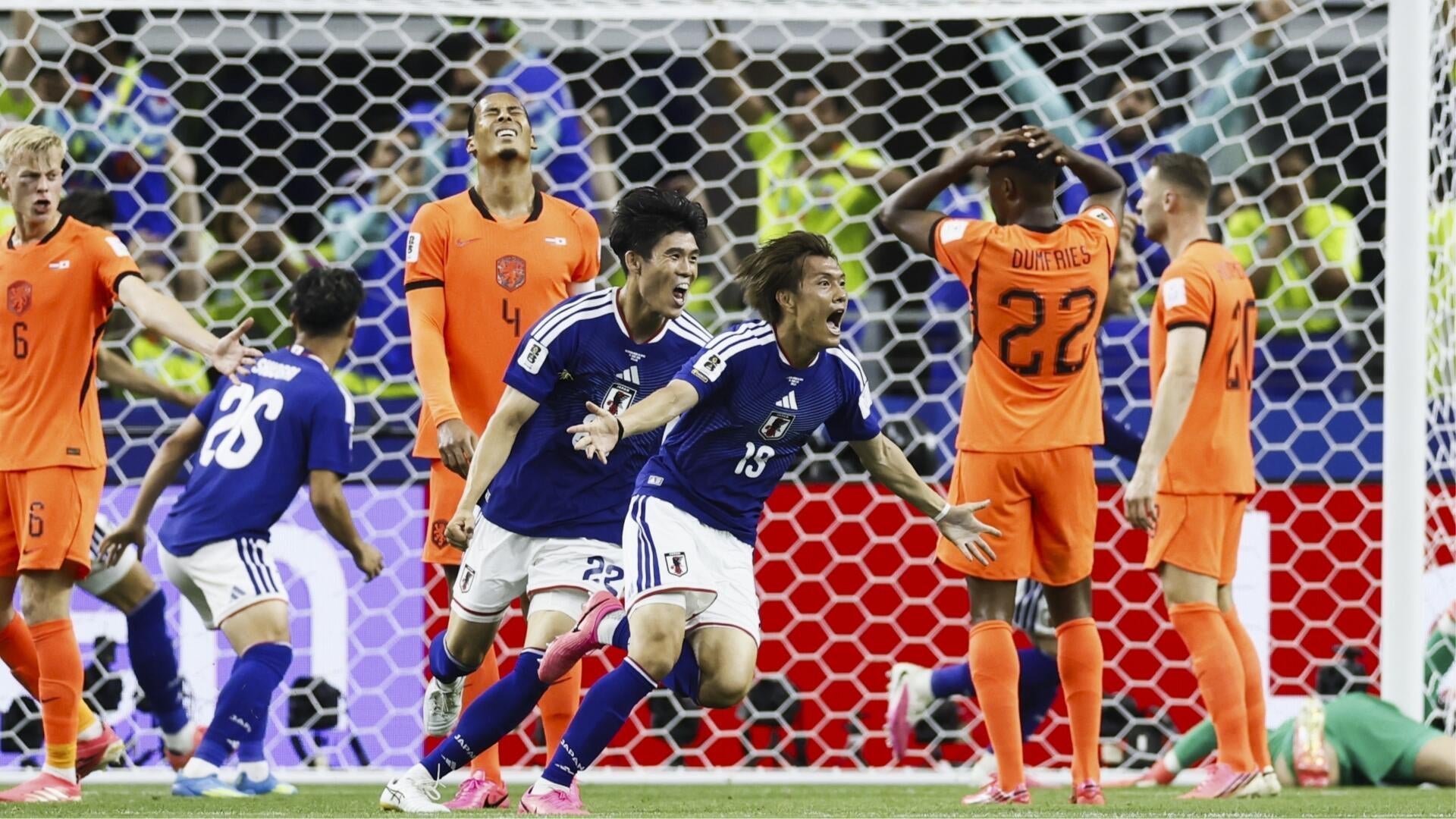
Scotland's men's team walked off the field in Boston on 14 June 2026 with a 1-0 win over Haiti, their first victory at a World Cup in 36 years and the opening chapter of a tournament return two decades in the making. The 20-year-old winger Ben Gannon-Doak — too young to remember Scotland's last World Cup appearance in 1998 — delivered the decisive contribution in a Group C fixture played at Gillette Stadium in Massachusetts, the BBC reported at 12:06 UTC. The result mattered enormously to a squad and a fanbase that had grown up watching the tournament on television. It was also, almost in the same breath, a reminder of a far more mundane problem hanging over the 2026 finals: the matches are not starting on time.
The win is the headline. The pattern underneath it is the story. None of the first eight matches at this World Cup have kicked off at their scheduled minute, according to the BBC's 15:11 UTC report, with Scotland's tie against Haiti the latest to suffer a delay. For a tournament staged across three host nations and 11 US cities plus venues in Canada and Mexico, the optics of a slow-starting showpiece are awkward. The scale — every match, not most — is the part that should make FIFA uncomfortable.
The result, and the player who shaped it
Gannon-Doak's performance was the match's gravitational centre. The BBC's report at 12:06 UTC framed his display as the defining contribution of a Scotland side still adjusting to the speed and physicality of a major tournament, and noted that he was not alive the last time Scotland featured at a men's World Cup. For a national team that has spent two decades answering questions about its absence from the biggest stage, the symbolism of a 20-year-old author of the breakthrough is unusually tidy.
The tactical details — formation, pressing structure, the identity of the goalscorer — were not specified in the two source items available. The verifiable claim is narrower and stronger: Scotland won, Gannon-Doak was central to it, and it was their first World Cup victory since 1990.
Tardiness as a pattern, not a one-off
A single late kick-off is a logistical footnote. Eight in a row is a system telling you something. The BBC report published at 15:11 UTC on 14 June 2026 documents a streak of late starts running from the tournament's opening match through to Scotland–Haiti, with no fixture in the opening salvo escaping the pattern. The reasons cited in the piece — pre-match ceremonies, broadcast windows, the choreography that surrounds a World Cup — are familiar to anyone who has watched a major tournament, but familiarity is not the same as inevitability.
The relevant question is not why one match is late. It is what it tells organisers about the buffer they have built into the schedule. If a tournament of this size cannot absorb its own opening ceremony plus a teams' anthems plus a VAR check within the slot provided, the slot is wrong. That is a design problem dressed up as atmosphere.
Why this matters beyond the pitch
The 2026 World Cup is the largest in the competition's history: 48 teams, 104 matches, a host footprint that stretches from Mexico City to Miami to Vancouver. It is also the first where FIFA is selling the product as much more than a sporting event — as a month-long piece of global content with corresponding commercial expectations. A tournament that cannot put its first eight matches on the screen on time is selling a stream with a delay built in.
For smaller federations, the cost of a late kick-off is more diffuse. For the broadcasters paying billions for the rights, every minute of drift is a minute of pre-game advertising not running as planned, and a minute of audience attention leaking into something other than the show they have bought. The financial pressure to start on time is, in practice, far higher than the symbolic one.
Stakes, and what remains unclear
If the pattern continues into the knockout rounds, expect a sharper tone from rights-holders and a quieter one from FIFA. The structural incentive to fix the problem is real; the question is whether the fix is in the run-of-show choreography, in the broadcast handoff, or in the match officials' pre-game protocol. The two BBC reports do not say which, and the organising committee has not, in the material available, committed to a public timetable for resolving it.
What is not in dispute is the result in Boston. Scotland have a win, a young player with a coming-of-age tournament, and a group stage that is suddenly interesting. What is also not in dispute is that the clock, so far, has not been their friend — or anyone else's.
How Monexus framed this: the wire covered the result and the delay as two separate stories. Monexus treated them as the same story, on the grounds that a tournament's first impression is the only one it gets.