Summerville strike caps a fightback: Netherlands and Japan trade blows in a 2-2 World Cup opener
Crysencio Summerville's second-half strike put the Dutch ahead for a second time, but Japan's refusal to wilt forced a 2-2 draw in a Group F opener that offered more questions than answers for both sides.
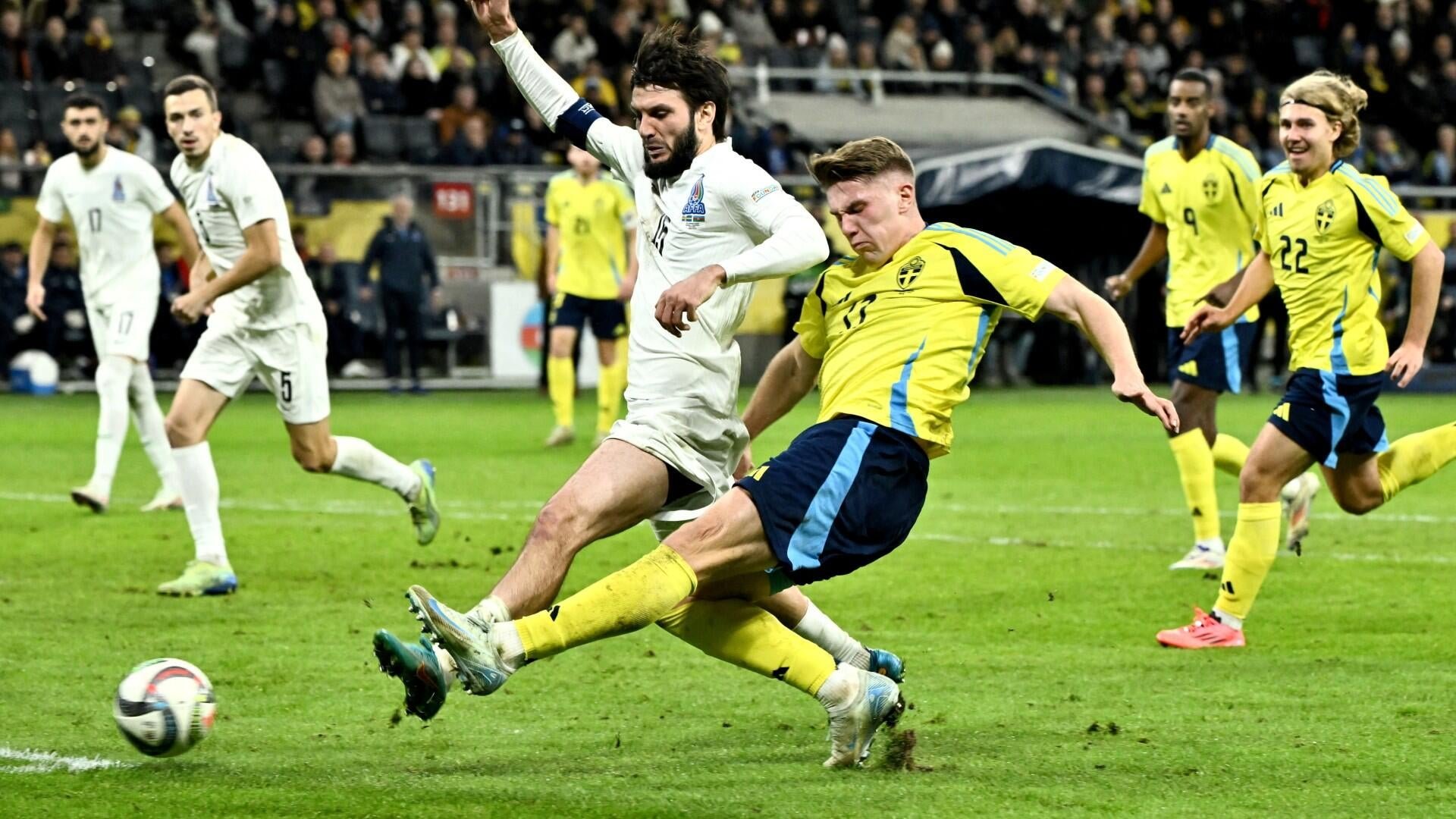
A World Cup group stage that has spent its opening days producing the kind of scorelines broadcasters design their montages around delivered another on 14 June 2026, and Group F's marquee fixture obliged with four goals, two lead changes, and a final whistle that left both managers arguing with their watches. Crysencio Summerville's second-half strike — a curling effort from outside the area that BBC Sport described as a "sizzler" — put the Netherlands ahead for the second time at 2-1, only for Japan to equalise late and leave the Dutch with a draw they will not enjoy rewatching.
The 2-2 scoreline flatters the Netherlands more than it comforts them. Ronald Koeman's side took the lead, lost it, regained it, and then lost it again, conceding twice to a Japanese team that arrived at this tournament as Asia's most successful World Cup nation and left the pitch looking, on the available evidence, like the more cohesive unit. The result keeps Group F mathematically alive at the earliest possible moment and reframes the next two matchdays as something closer to a knockout competition than a procession.
How the game moved
Netherlands started as the side with the deeper squad sheet and the louder support, and the opening exchanges suggested the script would follow the form lines. They struck first through a goal that the live broadcast wires circulated at 21:34 UTC, with both FIFA's official channel and The Athletic's live feed confirming the breakthrough. Japan responded before the interval, and the match restarted at 1-1 — a familiar shape for anyone who watched the Samurai Blue's run in Qatar 2022, where they recovered from a goal down against both Germany and Spain to top their group.
Summerville's goal, timed at the 64th minute, was the kind of strike that turns a match report into a paragraph. BBC Sport's live coverage called it a "sizzler," a judgement that, while brief, captures what the available footage shows: a clean connection, a clean trajectory, and a Dutch bench that briefly believed the contest was settled. The lead lasted long enough for the broadcast graphics to update and short enough for Japan's second equaliser to land with the weight of an accusation.
What the result means for both sides
A point from the opening match of a World Cup is rarely fatal; a point surrendered from a winning position is almost always instructive. For the Netherlands, the question is structural. Koeman selected a side built to control possession and to break lines through the half-spaces, but the Japanese press — coordinated, vertical, and timed to run beyond the Dutch back line — exposed a recurring vulnerability: the space behind the centre-backs when the full-backs push high. Two of Japan's best chances, including the move that produced the second equaliser, originated from exactly that channel.
For Japan, the read is more generous. They conceded first, equalised, fell behind again, and equalised again — a pattern that requires both technical composure and a refusal to deviate from a tactical plan under stadium-level noise. Al Jazeera's match report, filed shortly after full time, framed the result as Japan "denying" the Netherlands by "fighting back twice," a formulation that captures the resilience without overstating the performance. Hajime Moriyasu's side did not play a perfect match; they played a match that confirmed their identity.
The counter-narrative the wires did not run
The dominant Western line on this fixture will be the Dutch failure: a squad containing the depth of the Eredivisie's top four and several Premier League starters, dropping points at home in the group opener. That framing is fair on the scoreline and incomplete on the context. Japan arrived with a squad that has, since 2018, won more knockout-stage World Cup matches than any other Asian nation and that did so again here by refusing to alter their approach when the game asked them to.
The plausible alternative read is that the Netherlands were the side required to solve a problem, and they did not. Japan, by contrast, were required to absorb pressure and respond to setbacks — a brief that suited their preparation and their squad composition. To treat the 2-2 as a Dutch collapse misses that the match, for long stretches, was a Japan performance with a Dutch goalscorer.
The structural frame, in plain terms
The fixture is also a small case study in what a "competitive" World Cup group now looks like. The tournament's expanded format, combined with the rising technical floor of confederations outside Europe and South America, has produced a calendar in which the gap between the seeded nations and the rest is no longer a chasm but a margin — often a goal's width. The Netherlands' ELO advantage going into this match was substantial; their margin at full time was zero. That is not a Dutch problem alone. It is the texture of the competition.
Stakes and the next seventy-two hours
The draw reshuffles Group F rather than settling it. The Netherlands' next fixture, against the group's third side, becomes a must-not-lose; a defeat would leave them vulnerable to goal-difference calculations and to a Japan team that will, on this evidence, take points off anyone who plays loosely. Japan, meanwhile, will look at the table and see a winnable path: a win in matchday two puts them on four points and transforms the final group game into a qualification decider rather than a survival match. The margins are tight and the data, so far, does not flatter the favourite.
Desk note: Monexus framed the 2-2 as a Dutch failure to close rather than a Japanese heist; the wires leaned on the equaliser as the headline. The structural read — that this is the texture of an expanded, technically deeper tournament — sits beneath both lines and is the through-line this piece foregrounds.
Wire provenance
This editorial synthesis draws on the following public wire/social posts:
- https://t.me/FIFAcom
- https://t.me/TheAthletic