Trump floats a deal with Tehran — and the headline obscures the structure
A presidential statement is imminent, sanctions may ease, and the man who pulled out of the 2015 deal is now selling a return to one. Read past the headline.
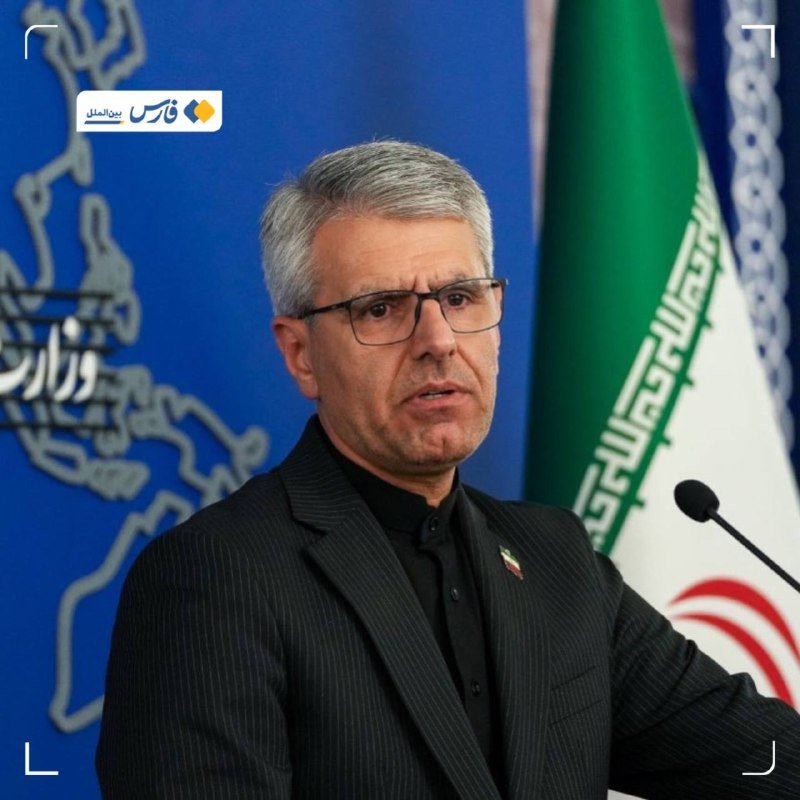
On 14 June 2026, three threads in a single hour told the same story from three angles. Donald Trump told The Wall Street Journal he would "soon make a statement confirming the agreement between the United States and Iran." Middle East Eye reported, citing the Journal, that the announcement was imminent. And on the same wire, the same president declared: "I'm not interested in regime change in Iran" — a line delivered with a punchline attached. The P.S. crowed that the disinterest was less a posture than a confession: Washington lacks the opportunity, and the strength, to pursue one.
It is worth holding both halves of that package at once. A deal is coming. And the deal is being sold as a concession that, on closer inspection, is also a constraint — on Tehran's behaviour, on Washington's commitments, and on the distance between rhetoric and capability that has defined US-Iran policy for decades.
What Trump actually said, and to whom
The sourcing is unusually tidy for a story of this weight. Trump's "regime change" disclaimer and his "soon-to-confirm" line both travel back to the same Wall Street Journal interview, surfaced in summary form on Telegram channels covering the US and Iran beats within minutes of each other on 14 June 2026. The third thread, from Middle East Eye, frames the imminent statement as a Washington-Tehran agreement rather than a framework or a preliminary.
In the Journal exchange, Trump was explicit on the financial spine of the arrangement: "Iran will not receive any money under this agreement, but the sanctions will likely be lifted, and we'll see how they behave." That phrasing is doing real work. It is a sanctions-relief announcement in the conditional tense. Relief is likely, but contingent on conduct that the United States, not Iran, gets to grade. The cash flow runs in one direction only — out of the US Treasury, into Iranian importers and oil buyers, but not, in Trump's telling, into the Iranian state.
The regime-change tell
The regime-change line is the more interesting half of the package, and the one most likely to be flattened by the wire cycle. Trump, who in his first term withdrew from the Joint Comprehensive Plan of Action, who authorised the assassination of Qasem Soleimani in January 2020, and whose administration has repeatedly framed Iran's clerical government as an illegitimate outlier, is now telling an interviewer he is not pursuing regime change.
There are two ways to read that. The charitable one: Washington has recalibrated. The JCPOA collapse produced a chain of escalation — maximum-pressure sanctions, the 2019 tanker war, the Soleimani strike, the Iranian retaliation at al-Asad, the Houthi campaign, the broader regional conflagration after October 2023 — that has cost American blood, treasure, and credibility. A president who watched that arc, the charitable reading goes, has concluded that managed competition beats open-ended hostility.
The uncharitable reading is the one embedded in the Telegram P.S.: the United States does not have the openings or the force to dictate Tehran's political future. The Iranian state has survived sanctions, sabotage, the killing of senior commanders, and a protest crackdown in 2022–23. The cost of forcing the issue is no longer a line item Washington is willing to sign.
Both readings can be true. The press release will say one of them. The deal will be priced for the other.
What "sanctions lifted" actually means
"Sanctions will likely be lifted" is the load-bearing phrase, and it deserves unpacking. US sanctions on Iran operate in layers: primary sanctions that bar American persons from transacting with Iran, secondary sanctions that threaten third-country firms, and the OFAC SDN listings that have frozen Iranian assets and deterred foreign banks. A "lifting" could mean any of three things — full JCPOA-style restoration; a partial, sequenced release tied to Iranian compliance milestones; or a licence-based architecture that allows oil exports to designated buyers while keeping the banking and financial-messaging architecture restricted.
Trump's "no money" line is a tell that the administration is reaching for the third option. Iranian oil would reach market through licensed channels, generating revenue at the margin for Tehran, but the formal financial plumbing — dollar clearing, SWIFT access for Iranian banks, frozen Central Bank assets — would stay where it is. Iran gets breathing room. The United States keeps the leverage.
That structure is not new. It is the architecture Turkey and China have been operating under de facto for years, and it is the model that Gulf intermediaries have hinted at for two administrations. The novelty is that the United States is now signing on, in writing, in the same breath as the regime-change disclaimer.
Stakes, and who actually wins
A deal on these terms is a win for the Iranian state's survival, narrowly defined. It is a partial win for the Gulf states that have been pricing in a regional reshuffle. It is a managed loss for the Israeli right, which has spent two decades arguing that any relief to Iran is relief to a state committed to its destruction. It is, in the short term, a modest gain for global oil markets and a modest loss for the broader sanctions regime as a deterrent architecture.
The honest reading is that this is a deal designed to be deniable in three directions. Tehran can call it a victory because the oil flows. Washington can call it a victory because the cash doesn't. The opposition in both capitals can call it a betrayal because of the parts that don't get mentioned in the press release.
What the sources do not yet show
The thread is thin. Three Telegram wires, two of them tracing back to a single Wall Street Journal interview, and one Middle East Eye summary referencing the same. There is no Iranian readout, no MFA briefing, no statement from the negotiating team. The dollar figures, the sequencing, the snapback mechanism, the duration — none of it is in the public record yet. The line between "agreement" and "agreement in principle" and "announcement of an announcement" is doing a lot of work in the next forty-eight hours, and the prudent read is to wait for the joint statement before assigning probabilities.
This publication treats the Journal scoop as the load-bearing wire for now, with the caveat that the deal's terms will only become legible when both capitals put text on paper. The line between strategic recalibration and rhetorical face-saving runs through the structure of the sanctions relief itself — and that structure has not yet been disclosed.
Wire provenance
This editorial synthesis draws on the following public wire/social posts:
- https://t.me/s/sprinterpress
- https://t.me/s/middleeasteye
- https://t.me/s/sprinterpress
- https://t.me/s/sprinterpress