Trump signals Strait of Hormuz will reopen "after Friday" as Iran deal moves to signing
"Reporting from Iranian state-linked outlets says Donald Trump told audiences the Strait of Hormuz will reopen for mine removal once a deal is signed on Friday, with a separate "naval blockade" reopening also flagged. The claim is unverified by Western wires and the mine-removal detail is technically dense.
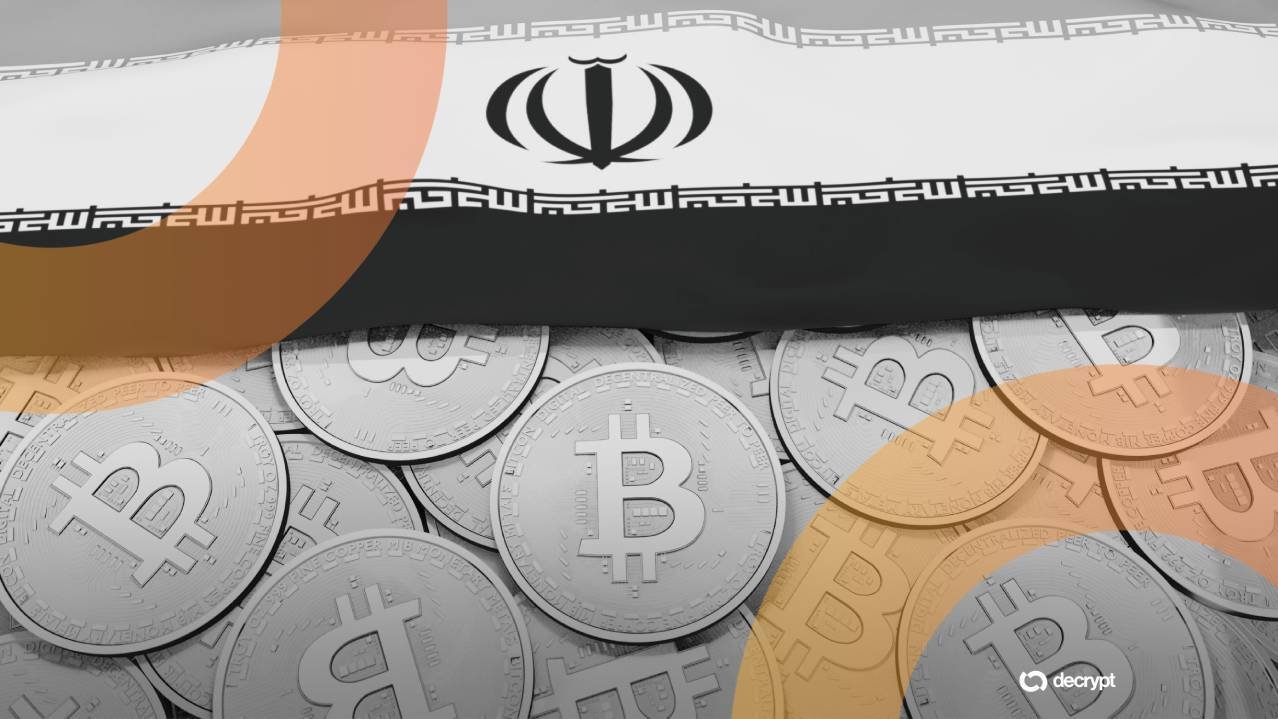
Reporting carried on 14 June 2026 by Iranian state-linked channels says U.S. President Donald Trump has told audiences that a deal with Tehran will deliver "peace and security" to the region, and that, once the agreement is signed on Friday, the Strait of Hormuz will reopen for mine removal. A separate thread from the same network flags a concurrent "reopening of the naval blockade." The claims originate entirely with Iranian state media and pro-Trump aligned channels; no Western wire has independently confirmed the mine-removal timeline or the blockade-restart language as of 22:59 UTC on 14 June 2026.
The fragment is technically dense and politically loaded. A "deal" with a Friday signing, a Hormuz mine-clearance operation, and a re-opened naval blockade are three distinct objects — and the Iranian-side reporting does not cleanly separate them. What is plausibly under way is the public choreography around a U.S.–Iran understanding that Tehran wants to characterise as a victory (sanctions relief, regional re-integration) and that the White House wants to characterise as a capitulation. The mine-clearing line fits the first frame; the "blockade reopens" line fits the second.
What the Iranian state-aligned reporting actually says
The thread originating with Tasnim — a news agency close to Iran's Islamic Revolutionary Guard Corps — frames Trump's remarks as a concession extracted under pressure. The investigation cited by Tasnim's reporter says Trump amended his position in response to Iranian leverage, and that the "reopening of the naval blockade" has begun. The English-language Tasnim feed and a parallel pro-Trump channel both carry the same quote: that the deal, once signed on Friday, will produce regional "peace and security," and that the Strait of Hormuz will reopen for mine removal. None of the three items specifies which mines, who laid them, or who would clear them. None cites an official U.S. statement, a Department of Defense release, or a Fifth Fleet operational notice.
The "reopening of the naval blockade" phrasing is itself ambiguous. A blockade, once lifted, is not normally "reopened" in the technical sense — the more conventional formulation is that a blockade that was paused has resumed, or that a new interdiction regime has been instituted. The Tasnim wording, repeated almost verbatim across the three thread items, reads more like a translation artefact than a precise operational claim. A reader should treat the phrase as signalling, not as a confirmed naval order.
Why the timing matters
The Strait of Hormuz carries roughly a fifth of global seaborne oil. Even a credible threat of disruption moves Brent and benchmarks across Asia within minutes. The Iran file has for decades functioned as an oil-market shock channel precisely because the chokepoint is so narrow and so heavily trafficked; any statement that the strait will "reopen" or "close" is read instantly by traders, by Gulf neighbours, and by the U.S. Fifth Fleet headquartered in Bahrain. The Friday signing window, if it holds, would land during a U.S. weekend — a common choreography for diplomatic announcements the White House wants bracketed away from market open.
It is also worth noting what is not in the reporting. There is no IAEA confirmation of any new inspection regime. There is no reference to a specific sanctions waiver, snapback provision, or enrichment cap. There is no mention of the Houthi file, the Hezbollah file, or the Iraqi militia file — all of which would normally be cross-tied to any U.S.–Iran understanding of this scale. The reporting is a shape, not a substance.
The structural frame, in plain language
A deal in which the United States gets mine-clearance language and Iran gets a sanctions-relief signal is, on its face, a transaction: Washington de-escalates a military tail it does not want to fund indefinitely; Tehran de-escalates a sanctions regime that is squeezing its currency. The two sides are bargaining over how to split the cost of stepping back from a brink neither wants to cross. The story is less about any specific clause than about which side gets the better optics — and the Iranian state-aligned outlets are already working to ensure the optics read as "Trump amended, the blockade was reopened, and the strait is being handed back."
The deeper question is what enforcement mechanism keeps a deal of this kind from unravelling. The 2015 Joint Comprehensive Plan of Action had an architecture: IAEA inspectors, a Joint Commission, a disputes mechanism, a snapback clause. Nothing in the current thread reporting describes a comparable architecture. A deal whose principal deliverable is a mine-clearing timeline is, structurally, a deal about a single chokepoint — vulnerable to the next incident, the next Israeli strike on Iranian assets in Syria or Lebanon, the next Houthi missile, the next Iranian nuclear advance.
Stakes and what to watch
If the Friday signing happens and the mine-clearing language is real, the immediate winners are oil markets (lower risk premium), Gulf shipping insurers, and the Iranian rial. The immediate losers are the harder-line constituencies in both Washington and Tehran who have invested politically in non-engagement. The medium-term loser, on past form, is whatever verification regime is supposed to make the arrangement durable — because this reporting does not describe one.
Three things to watch in the next 48 hours. First, whether the White House confirms a Friday signing in its own voice, on the record, with a date and a venue. Second, whether the U.S. Fifth Fleet or CENTCOM issues a maritime advisory about mine-countermeasure operations in Hormuz — that is the only operational signal that mine-clearing is genuinely under way. Third, whether the IAEA breaks silence on inspection access, because no nuclear file has been resolved without the agency in the room. Until at least one of those three happens, the Iranian-side reporting should be read as a negotiating signal dressed in the language of a deal.
This article is built on three thread items from 14 June 2026 sourced to Tasnim and a pro-Trump aligned channel; the substantive claims around a Friday signing, mine removal, and the so-called naval blockade have not yet been corroborated by Western wire reporting or by an official U.S. statement.
Wire provenance
This editorial synthesis draws on the following public wire/social posts:
- https://t.me/JahanTasnim
- https://t.me/tasnimnews_en
- https://t.me/wfwitness
Follow the event.
These dated source records provide context. They do not retrospectively verify this archive article.
Separate what the nuclear watchdog reported from what it could not determine after the June 2025 strikes.