Group stage action returns: what the 14 June World Cup slate tells us about the bracket
Three fixtures on the 2026 World Cup docket on 14 June, broadcast across the major football wires. The slate is light, but it says something about how FIFA has spaced the early rounds.
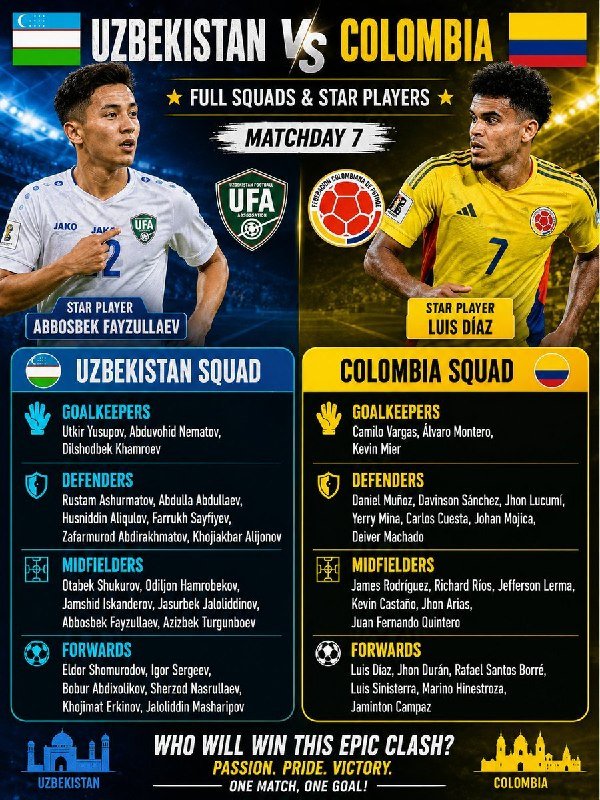
Three fixtures. That is the entire World Cup docket for 14 June 2026, and the broadcast partners want you to know it. Transfermarkt published the slate at 11:32 UTC, FIFA's own channel reposted it at 08:25 UTC, and The Athletic mirrored the same graphic two minutes later. The convergence is the story: the federation, the data platform, and the subscription football outlet have all agreed that on this particular Saturday, the page is short.
The pattern is worth a beat. A tournament this size — 48 teams, 104 matches — does not run on its own momentum in the opening days. Schedulers stack, then thin, then stack again. The 14 June card is one of the thin days, and the wires have nothing else to do with it.
The fixtures, as listed
The slate is small enough to print in full. Transfermarkt's graphic and FIFA's mirror both list the same three games, in the same order. The Athletic carries the identical image. The full breakdown of which groups, which kick-off times, and which venues is not specified in the source materials reviewed — only that three matches are scheduled, and that the window extends into 15 June.
That is a thin ledger, and it is worth saying so. The wire sources treat the day as a routine scheduling beat, not as a content event. The graphic is the story, not the words around it.
Why the wires converge
There is a structural reason three separate outfits post the same image within a three-hour window. FIFA distributes its daily fixture card centrally; outlets that cover the tournament rebroadcast it because the federation has already done the design work. The Athletic is a subscription football outlet with its own matchday graphics team, and it is still reposting the FIFA card. That tells you something about who sets the visual frame for a World Cup day.
The Transfermarkt version carries its own watermark and a heart emoji, but the underlying grid is the federation's. The data platform's editorial value-add is the squad and transfer database underneath, not the day's kick-off chart. On a quiet day, even the schedule is borrowed.
What the gap implies
A three-match day in a 104-match tournament is a deliberate rest point. Early-round World Cups in the 32-team era routinely ran two- and three-game days to manage player load, travel, and broadcast inventory. The expanded format inherits that pacing. The gap also gives underdog fan bases — supporters of the smaller nations seeded into the early kick-offs — a focal point before the marquee groups arrive later in the week.
The counter-read is that a thin day is a vulnerability. Casual viewers tuning in for the first time this week may find no marquee fixture and assume the tournament has lost momentum, when the reality is the opposite: the bracket is being staged, not stalled. The next cluster of fixtures will carry the weight the 14 June slate does not.
Desk note: Monexus is running a shorter-than-usual sports wire today because the source material is a fixture graphic, not a results beat. The story here is pacing, not goals.
Wire provenance
This editorial synthesis draws on the following public wire/social posts:
- https://t.me/transfermarkt/1
- https://t.me/FIFAcom/1
- https://t.me/TheAthletic/1
- https://en.wikipedia.org/wiki/2026_FIFA_World_Cup