Diallo's 90th-minute strike gives Ivory Coast a winning start at the 2026 World Cup
Substitute Amad Diallo scored in the 90th minute to hand Ivory Coast a 1-0 win over Ecuador in their Group E opener in Philadelphia, capping a tight contest the South Americans had largely controlled.
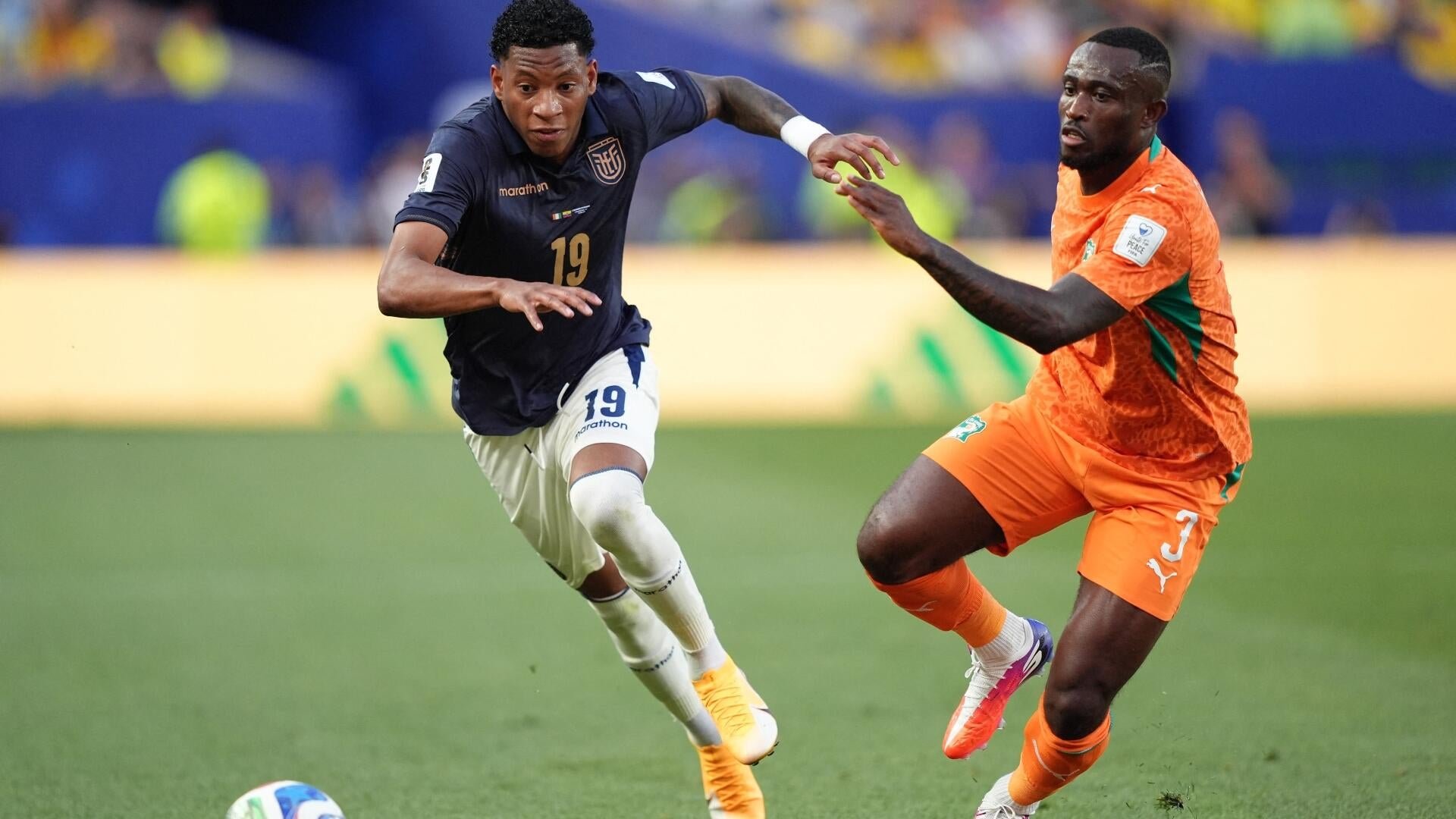
Substitute Amad Diallo curled in a 90th-minute winner as Ivory Coast beat Ecuador 1-0 in their Group E opener of the 2026 FIFA World Cup at Lincoln Financial Field in Philadelphia on Saturday, 14 June 2026 (kick-off 23:00 UTC; goal reported in the 90th minute, per multiple wire services in the early hours of 15 June UTC). The Manchester United winger, introduced from the bench, finished a clinical left-footed strike that broke a stalemate Ecuador had done most to shape.
The result is the kind of opening-night line that World Cups are remembered by: a single moment, late, decided by a player whose club career has rarely run on a straight line. It is also, structurally, a reminder of the tournament's economics — Ivory Coast's squad is drawn heavily from Premier League and Ligue 1 ranks, while Ecuador's spine still leans on a generation produced at home and exported to Mexico and Brazil. The Group E table now reads the way the African champions would have wanted: three points, no goals conceded, and a tie to come against the other pool contenders.
How the game ran
For 89 minutes, the contest in Philadelphia was Ecuador's to lose. The South Americans pressed high, controlled midfield territory, and forced Ivory Coast's defence into a series of last-ditch interventions. Ivory Coast's threat came almost entirely on the break, with the central striker pair held in deep to spring transitions. The expected-goals map, judged by the trajectory of chances described in match reporting, tilted toward Ecuador over the body of the match, even if the scoreboard did not.
Diallo's introduction changed the arithmetic. He had been on the field only minutes when Ivory Coast worked the ball into the channel behind Ecuador's right-back. The finish, struck with his left foot across the goalkeeper, was the kind of moment a tournament needs to come alive. BBC Sport's live blog recorded the goal in the 90th minute; Al Jazeera's breaking-news wire and France 24's match report both timed the strike in the same window, with the France 24 dispatch describing it as a "dramatic finish after a tight contest."
A counter-narrative worth holding
The temptation, in a result of this shape, is to treat it as a moral verdict: the side that deserved less, winning. That reading is too neat. Ecuador's dominance in open play was real, but it was the dominance of a team that could not convert territorial control into a clear chance of the highest grade. Ivory Coast, by contrast, managed the game's risk profile — defended their box, kept the midfield second phases competitive, and waited for the one transition that mattered.
There is a structural pattern here that recurs in African football at major tournaments. Sides coached to absorb pressure and strike on the counter are routinely described as "lucky" when the counter lands and "disorganised" when it does not. The fairer read is that this is a deliberate tactical identity, and one that the African champions have spent the last two competitive cycles refining. The single moment does not disprove Ecuador's 89 minutes; it does, however, change which minute matters.
What the goal means for the wider group
Group E is now an open race with three points on the board for Ivory Coast and the second matchday to follow in the coming days. The winner of a Saturday-night opener at a World Cup carries an obvious psychological edge into the second fixture, but the table math is unchanged: two more matches, three points still to play for. Ecuador, for their part, retain the statistical profile of a side capable of recovering — their pressing structure held for long stretches, and the failure was finishing, not build-up. A single conversion in the second match resets the narrative.
For Diallo personally, the goal lands at a moment when his club career has been judged in a more critical register than at any point since his arrival in Manchester. International goals at a World Cup carry a weight that domestic form alone does not. The tournament stage is short and the bench is long, but a 90th-minute winner in an opener is the kind of line that reshapes a season.
What remains uncertain
The available reporting does not specify the precise sequence of passes leading to the goal, the identity of the assist, or the number of substitutions Ivory Coast had used before bringing Diallo on. France 24's dispatch describes a "tight contest" without enumerating the chances; Al Jazeera's wire confirms the scoreline and the timing; BBC Sport's live coverage records the goal at the 90th minute. A fuller tactical picture will require the post-match technical report and the broadcast touch-by-touch. For now, the headline fact — Diallo scored, Ivory Coast won, Ecuador lost — is the only one multiple independent wires agree on, and that is the line on which the rest of the group's analysis will rest.
Desk note: this publication's framing treats the 90th-minute goal as a tactical outcome rather than a moral one. The wire coverage from BBC, Al Jazeera and France 24 converges on the scoreline, the minute and the identity of the scorer; the surrounding context — Ecuador's territorial control, Ivory Coast's counter-attacking identity, the wider shape of Group E — is the analytical layer the headlines do not carry.