Hormuz deal is a pause, not a peace — and the next 60 days will tell who blinks first
A tentative understanding between Washington and Tehran is set to reopen the Strait of Hormuz, but the terms reported by Iranian outlets suggest a transactional truce, not a structural end to the confrontation.
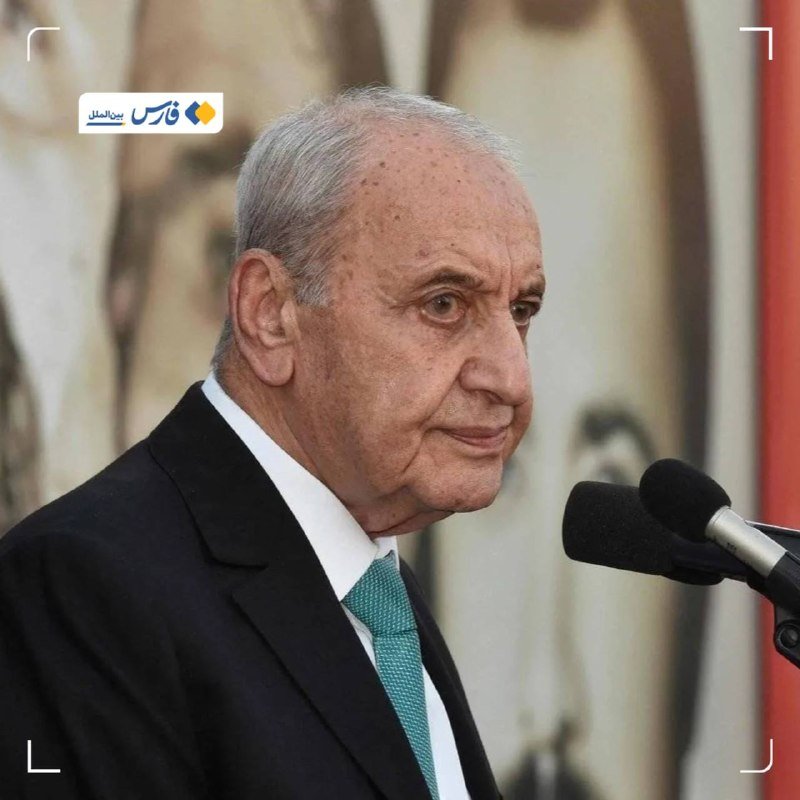
A deal understood to be signed on Friday 19 June 2026 will, according to Iranian outlets, begin the process of reopening the Strait of Hormuz — a waterway through which a significant share of the world's seaborne crude normally transits. Iranian state-linked channel Al Alam Arabic reported on 15 June that the strait was closed to all shipping in both entry and exit corridors until further notice, before Tasnim Agency, citing an Iranian source, said the reopening process would follow Friday's signing of a memorandum of understanding. The framing matters. What is on the table is not a peace settlement but a transactional pause: a window of 60 days during which Iran will not collect transit fees, after which a new revenue stream and a new leverage point come into effect. The crisis has not ended. It has been priced.
The shape of that price is now legible, and the terms reported by Iranian media deserve to be read carefully. According to a source cited by Tasnim, US President Donald Trump had pushed for the strait to reopen and the Iranian blockade to be lifted simultaneously and immediately after the deal was announced — a sequencing that the Iranian side, on this account, resisted. The compromise appears to be a phased opening tied to the signing, a 60-day fee waiver, and a Lebanese-territorial clause added to the first article of the memorandum referencing sovereignty and territorial integrity. None of these terms is a concession Washington extracts for nothing. All three are leverage Tehran keeps for the next round.
What the deal actually does
For tanker operators, insurers, and Asian refiners, the operative question is not whether the strait reopens but on what footing. Deutsche Welle's reporting on 15 June captured the sequencing problem in plain terms: even if a US-Iran understanding is reached, oil prices and physical supply chains take months to normalise as shipping restarts, war-risk premia unwind, and the storage that piled up during the closure works its way through the system. The 60-day fee exemption reported by Tasnim is, in this light, a transitional arrangement — long enough to clear the logistical backlog, short enough that the question of who pays for transit reappears well before the broader confrontation is resolved.
The clause concerning Lebanese sovereignty, also reported by Tasnim as an addition to the memorandum's first article, is the second tell. It binds a Gulf shipping concession to a Levantine political demand. That is not how pure energy deals are usually written. It is how a regional power that has spent two decades building leverage across multiple fronts insists on being paid in more than one currency.
The framing the Western wire leaves out
The dominant Western framing of the Hormuz crisis has been a single-variable story: Iranian aggression, US resolve, oil market disruption. The Iranian counter-frame — visible in Tasnim's sourcing, in Al Alam Arabic's urgent bulletins, in the rhetorical structure of the deal terms — runs differently. In that telling, the strait is not a passive chokepoint but a card held by the country on its shore, and playing it has produced a written American acknowledgement of Iranian leverage. The 60-day fee structure is, on this reading, the formalisation of that leverage: a discount window, then a toll.
The structural point underneath the framing dispute is that energy chokepoints are governance instruments, not just geography. Whoever sets the terms of transit sets the terms of everyone downstream. The current deal, as reported, is the first time in the post-1979 era that an American administration has agreed to a written arrangement in which Iranian sovereign authority over a global corridor is encoded into a binding text. That is a fact independent of whether one considers the arrangement wise.
The risk that survives the deal
A 60-day waiver is not a regime; it is an intermission. The risk that the strait re-closes — whether by Iranian decision, by an Israeli strike on Iranian infrastructure that Tehran then reciprocates, or by a US administration deciding the political cost of the written arrangement exceeds its benefit — is not a tail scenario. It is the base case the deal was built to manage. The structural problem is unchanged: the strait is narrow, Iran is capable of disruption, and the only durable insurance is a political settlement that addresses the issues the memorandum does not.
The Lebanon clause sharpens that risk. A deal that ties Gulf shipping to Levantine sovereignty is a deal that any change in the Lebanese file can be used to reopen. If the next 60 days are framed in Tehran as a probationary period for American behaviour on a separate track, the lever is live. Western analysts who treat the memorandum as a market-rescue event are reading the wrong clause.
What remains uncertain
The published terms come through Iranian state-linked channels and a single Western wire (Deutsche Welle). The text of the memorandum has not been released in full. The specific conditions under which the fee waiver converts to a paid regime, the dispute-resolution mechanism, and the reciprocal commitments on Iranian nuclear and proxy files are not in the public record this article can verify. The Iranian-side sourcing carries the usual caveats of outlets operating inside a controlled media environment, and the sequencing of events between 15 June and the reported Friday signing may shift. The Monexus desk treats the 60-day window as the load-bearing assumption; readers should too.
Desk note: Monexus framed the Hormuz understanding as a transactional pause rather than a peace dividend, on the grounds that the 60-day fee waiver and the Lebanese-territorial clause are leverage instruments rather than concessions. The Iranian state-linked sourcing is used here as primary material for the deal's structure, with the standard caveat that the text itself has not been published.
Wire provenance
This editorial synthesis draws on the following public wire/social posts:
- https://t.me/s/alalamarabic
- https://t.me/s/alalamarabic
- https://t.me/s/alalamarabic
- https://t.me/s/alalamarabic
- https://t.me/s/alalamarabic