Hormuz opens, the dollar blinks: how an Iran deal moved oil, bitcoin and the world's most important chokepoint in 24 hours
A claimed US-Iran understanding tore the geopolitical premium out of crude and put it back into risk assets within hours. The real story is the chokepoint — and who gets to decide when it stays open.
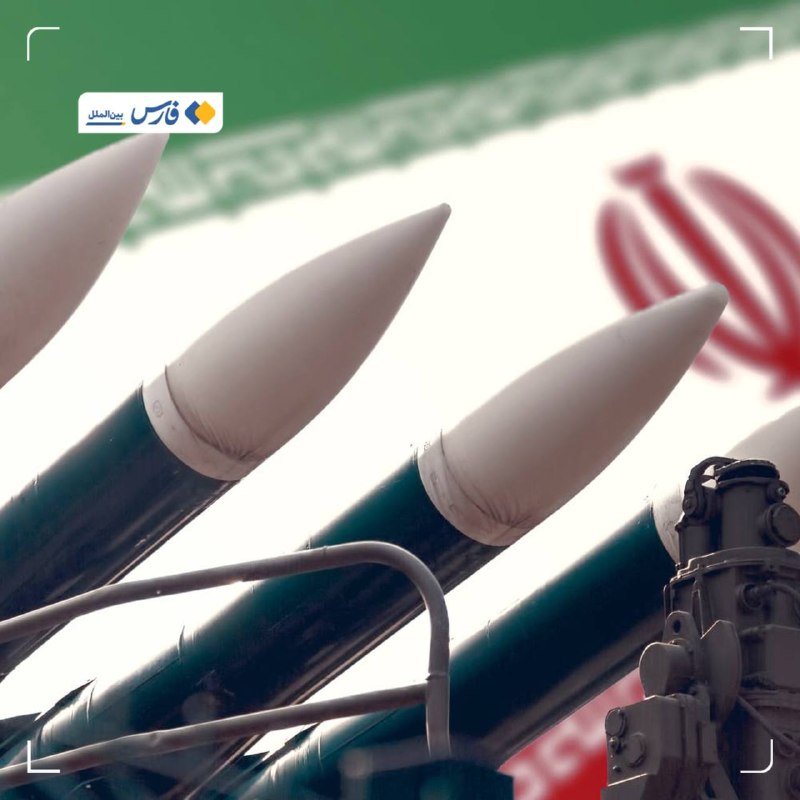
At 15:57 UTC on 15 June 2026, Tehran signalled that the Strait of Hormuz would reopen in full by Friday, and within minutes the price of geopolitical insurance began to unwind. US President Donald Trump told reporters the agreement had been "completely signed," framed the deal as a "toll-free opening" of the waterway, and said Washington and Tehran "get along really well" — comments captured by X account @unusual_whales at 15:57 UTC and relayed in parallel by Telegram channels including ClashReport and Tasnim-affiliated feeds. The market response was immediate: bitcoin climbed back toward $66,000, hitting a two-week high above $65,500, while crude slid and US equity futures pushed higher, according to CoinDesk and Cointelegraph reporting in the early UTC hours of 15 June. Pakistan announced the framework first, with BBC News logging the headline at 23:37 UTC on 14 June.
The story is bigger than a 24-hour price move. A waterway that carries a substantial share of seaborne crude has just been turned, in real time, into a bargaining chip between two governments whose interests collide in every other file. The premium that has been living inside the oil curve for the better part of a year is not a meteorology event; it is a toll booth, and the toll is now being renegotiated in public.
What was actually agreed — and what was not
The public statements on 15 June describe a memorandum, not a treaty. Trump characterised the arrangement as a "toll-free opening of the Strait of Hormuz," a phrase that reads more like a transactional concession than a durable security architecture. Iranian-language Telegram accounts closely tied to state-aligned outlets Tasnim and JahanTasnim carried his comments alongside their own framing of the US president. No joint text has been published; no third-party guarantor has been named; and the most detailed external reporting — the BBC's overnight wire — leans on the Pakistani announcement rather than a US-Iran communique.
That matters. Memoranda can be repudiated faster than they are signed, and a chokepoint deal that depends on the personal rapport of one head of state is, by construction, reversible. The risk premium the market just removed is, in part, a bet that the reverse trip will not happen before Friday.
The price action tells you where the trust is
When bitcoin moves on a headline, the move is usually a sentiment trade. This one is closer to plumbing. The Strait of Hormuz is the channel through which a meaningful share of globally traded crude transits, and oil has been the single most reliable macro input for risk assets in 2026. CoinDesk's morning note framed the rally in explicitly oil-arbitrage terms: a peace agreement that reopens the strait "pulled the geopolitical premium out of oil and put back into risk assets." Cointelegraph put a number on the bitcoin leg — a two-week high near $66,000 — and credited the Trump "toll-free" language as the trigger. The futures market did the rest.
The counter-narrative, and it is the one traders will be running all week, is that this is a headline trade, not a structural one. A Friday reopening that slips by 48 hours, or a single Iranian fast-attack boat exercise inside the channel, would re-price the same curve in the opposite direction. The market is not wrong to move; it is, as ever, pricing the next data point, not the regime.
Why the chokepoint is the real story
Strip away the personalities and the bitcoin candle, and what is being contested is a piece of geography. The strait is not merely a shipping lane; it is a lever. Whoever controls its operating tempo controls the price of energy, the floor under the petrodollar recycling system, and by extension the cost of capital for every emerging-market sovereign that imports Gulf crude. A "toll-free" framing is, in this light, a direct challenge to the structural arrangement under which the waterway has been priced for decades — an arrangement that has historically served incumbent Western financial architecture.
This is the part the wire coverage tends to under-weight. The story is not whether Trump and the Iranian leadership "get along." It is whether the operating rules of the most important energy corridor on earth are being rewritten in a single bilateral memorandum, with no third-party arbiter, no published text, and no institutional continuity. The Global South's energy importers — Pakistan, India, the larger ASEAN bloc — have an obvious interest in the answer; so do Beijing and Brussels, neither of which is at the table.
Stakes and the week ahead
If Friday's reopening lands cleanly, the next two weeks belong to consumers: lower diesel, lower freight, a softer inflation print, and a tailwind for risk assets that does not require a rate cut to feel. If it slips, the same curve reprices in the opposite direction, and the question of who, structurally, sets the toll on the strait returns to the front of the queue. The real winners of an orderly reopening are the importers who were running down strategic reserves; the real losers are the actors — on whichever side — who had built a business model around the premium.
The uncertainty is also textual. We do not yet have a published agreement. We do not have Iranian confirmation in English. We do not have an Israeli, Saudi or Gulf-Cooperation-Council readout, and each of those capitals will, in private, be reading the same chart. The next 72 hours will tell us whether this was a deal or a trade.
Desk note: the wire led with the price move; this publication is leading with the chokepoint, because the price is a derivative and the chokepoint is the underlying.
Wire provenance
This editorial synthesis draws on the following public wire/social posts:
- https://t.me/ClashReport
- https://t.me/tasnimplus
- https://x.com/unusual_whales/status/