A deal in the dark: the Iran memorandum and the case for scepticism
Washington is hailing a memorandum with Tehran. The text remains secret, the parties disagree on what was agreed, and the deal is being sold before the substance exists.
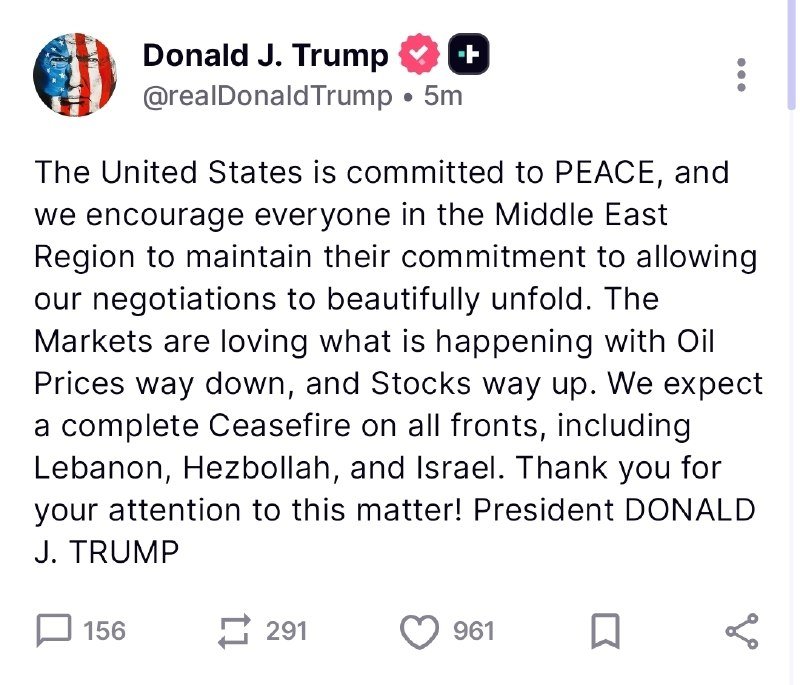
At 01:46 UTC on 15 June 2026, the newswires carried a single phrase that did an unusual amount of work: the United States and Iran would sign a memorandum on Friday. No text. No annexes. No summary of commitments. Just the word "memorandum," floated out of two negotiating tracks at once, and immediately recast by partisans on each side as a triumph that, on inspection, has not yet been written.
This publication's reading is less generous. A diplomatic instrument whose contents have not been disclosed, whose parties disagree about what they have agreed to, and whose principal political beneficiaries are the people who announced it should be treated as a press event, not as a deal. The pattern is familiar. Ceasefire language, ambiguous signings, and presidential self-congratulation have become a routine substitute for the hard work of binding commitments. Reporting the announcement as the end of a crisis is a category error.
What the sources actually say
Al Jazeera's breaking-news desk reported at 01:13 UTC on 15 June that the US and Iran had said a memorandum would be signed on Friday, with Trump allies cheering the announcement while Democratic members of Congress called for clarity on the terms. The wire was explicit: no official terms had been released. Hours earlier, at 14:21 UTC on 14 June, a Trump statement relayed through product and investment channels asserted that Israel and Iran were "moving toward a ceasefire," an aspirational formulation, not a confirmed one. By 17:39 UTC on 14 June, the same statement had been upgraded in style to "Agreement with Iran will be signed in hours." Each iteration ratcheted the certainty upward while the underlying document lagged behind the rhetoric.
Three observations follow. First, the political beneficiaries of the current framing are entirely on one side of the American aisle; the sources describe Democratic calls for clarity as the principal internal counterweight. Second, the Israeli track and the US-Iranian track are being reported in the same breath but are not the same instrument, a distinction that the marketing of the announcement has worked hard to blur. Third, the Iranian regime, a theocratic state with a long record of using the language of diplomacy to manage the optics of its nuclear and missile programmes, has every incentive to be photographed signing something and to dispute the meaning of the same document six months later.
The choreography of a non-event
A memorandum of understanding is, by diplomatic convention, the lowest-rung binding instrument short of a communiqué. It records convergence. It does not, by itself, enforce it. The Trump-era habit of treating MoUs as final deals — and then negotiating the actual deal in the months after the cameras have moved on — has been on display repeatedly. The pattern matters more than any specific clause, because the clause is what the public will be asked to judge, while the pattern is what determines whether the clause is enforced.
There is also a regional geometry. Israel and Iran have been exchanging direct strikes in a rhythm that has periodically threatened to widen into a wider war. Reporting the existence of a US-Iran memorandum as evidence that the Israel-Iran ceasefire line is holding is a different claim, and a stronger one, than the evidence supports. The two negotiations overlap politically; they do not overlap textually. Conflating them is precisely the move that lets each side claim credit for a result that may be the product of unilateral restraint, of third-party pressure, or of a shared interest in avoiding escalation that exists independently of any signed paper.
What "moving toward" actually commits
The language of the Trump statement at 14:21 UTC on 14 June — "moving toward a ceasefire" — is the kind of phrase that buys time without buying peace. It is the diplomatic equivalent of a weather forecast: directional, unquantified, and impossible to falsify in the short term. Both sides can read the same statement and find reassurance; both sides can also preserve the option of resuming operations on the grounds that the move toward ceasefire was, in the end, not quite completed. The ambiguity is the point.
A serious deal would be recognisable in the form. It would publish, in summary at least, the limits agreed on uranium enrichment, the verification regime, the sequencing of sanctions relief, and the treatment of detained nationals. It would identify the third-party guarantors, if any. It would specify what happens on the day either side judges the other to have breached it. None of these elements has been reported. Until they are, the fairest description of the situation is not "a deal" but "an agreement to keep talking, with a photo opportunity attached."
The case for scepticism, plainly stated
Scepticism is not cynicism. It is the default posture of anyone who has watched a presidential statement become a market move before becoming a policy. Oil traders, equity desks, and shipping insurers will price the announcement. Citizens of the region, who bear the cost of the strikes the memorandum is supposed to have halted, will price it in lives. The two valuations are not the same, and the gap between them is where the next crisis is most likely to be hiding.
The minimum that a reader should require before accepting the dominant framing is straightforward: the text of the memorandum, the public position of the Iranian government on each substantive clause, the position of the Israeli government on the ceasefire track, and the reaction of the Democratic members of Congress who, according to the wire reporting, are already asking for clarity. None of these four has yet been supplied. Until they are, the honest characterisation is that two governments have agreed to be photographed, and that the rest of the world has been invited to call the photograph a peace.
What remains genuinely uncertain, and where the available reporting thins, is the substance. The sources describe an instrument and a timetable; they do not describe a deal. If the text, when it surfaces, is thin, the announcement will be remembered as a market-rhetorical event rather than a diplomatic one. If it is thick, the sceptics will be obliged to update. The defining question of the next 72 hours is not whether the memorandum will be signed — both sides have said it will — but whether what gets signed can survive a single difficult week in the Strait of Hormuz, a single hardline statement from Tehran, or a single Israeli cabinet meeting in which the phrase "moving toward" is, finally, not enough.
Desk note: Monexus treated this story as an announcement in search of a text, not as a concluded agreement. Where wire reporting described a "deal," we asked what the deal contained; the answer, in the available sources, is: not yet disclosed.
Wire provenance
This editorial synthesis draws on the following public wire/social posts:
- https://t.me/s/AljazeeraEnglish/
- https://t.me/s/FirstpostOfficial/
- https://x.com/unusual_whales/status/
- https://t.me/s/producthunt/
- https://t.me/s/AngelList/
Follow the event.
These dated source records provide context. They do not retrospectively verify this archive article.
Separate what the nuclear watchdog reported from what it could not determine after the June 2025 strikes.