Tehran Frames Ceasefire Deal as Conditional on Lebanon: What Baqaei's Briefings Tell Us
Iran's foreign ministry spokesperson says ending the war in Lebanon is non-negotiable part of any wider understanding — a framing that ties Tehran's regional posture to Beirut's sovereignty and leaves the question of 'understanding' deliberately opaque.
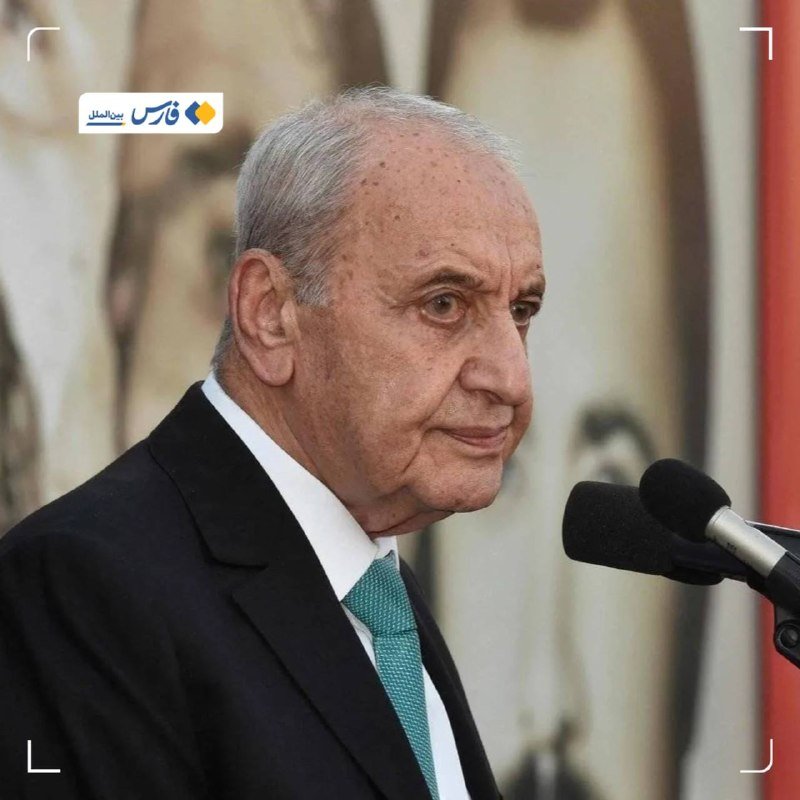
Iranian foreign ministry spokesperson Esmail Baqaei used a 15 June 2026 press appearance to bind any wider regional understanding to the file Tehran calls inseparable from it: Lebanon. In a sequence of comments carried by Iranian state outlets between 11:53 and 12:01 UTC, Baqaei described the war's end in Lebanon as "an inseparable part of the comprehensive ceasefire understanding" and listed respect for Lebanese national sovereignty among the main pillars of the memorandum of understanding, while reserving Iran's right to pursue legal action over the blood of Iranian and allied "martyrs." The framing amounts to a single, conditional demand: that any de-escalation between Tehran and its interlocutors be measured against outcomes in Beirut.
That conditionality is the news. It is also, by design, the news Tehran wants regional and Western capitals to read. The Foreign Ministry is signalling that the next phase of diplomacy will be evaluated in Lebanese terms, and it is pre-positioning legal language to keep the file alive after the cameras move on.
What Baqaei actually said, and where he placed the weight
Three separate emphases run through the briefings. First, the linkage. "The end of the war in Lebanon is an inseparable part of the comprehensive ceasefire understanding," Baqaei told reporters, with the line carried by Tasnim's English channel and Fars. Second, the sovereignty clause. "Respect for Lebanon's national sovereignty is one of the main pillars of the memorandum of understanding," he added, with the same wording appearing in the original Persian feed on Tasnim's JahanTasnim channel. Third, the legal track. "Legal litigation from the blood of martyrs is our permanent goal," the spokesperson said, signalling that the diplomatic understanding does not foreclose accountability proceedings.
The architecture of the comments is deliberate. Iran is publicly defining a four-point test for any deal: the war in Lebanon must end, Lebanese sovereignty must be respected in practice, the diplomatic details will be released to media "soon," and Iran retains an independent legal path. Each element is presented as a precondition rather than a negotiating position — a rhetorical move that makes any later concession look like a delivery on a stated principle rather than a retreat.
The travel-plan language is equally pointed. Baqaei confirmed an Iranian travel plan to "some regional and neighbouring countries" connected to the agreement, and said the diplomatic details would be released to the media "soon." That is the standard scaffolding for a follow-on diplomatic tour — a second-stage engagement after the headline understanding is signed.
The Iranian read: reconciliation without forgiveness
The most politically charged line came when Baqaei was asked whether the understanding implied any softening of Iran's position. His answer, carried by Mehr News, was that "reaching an understanding to end the war and reduce tension does not mean that you have forgotten or forgiven the crimes committed against the people of Iran." Read against the rest of the briefing, that line does two things. It signals to hardline audiences inside Iran that the diplomatic process is not a capitulation. And it pre-registers Iranian grievances — against Israel, and by extension against the United States as the principal backer of Israel's war effort — as standing claims that survive any deal.
This is the frame Tehran wants in the historical record: an understanding concluded under pressure, not a reconciliation. The distinction matters for Iranian domestic politics, where any deal will be measured against the dead. It also matters for Tehran's regional posture, because a frame of "concession under duress" is the precondition for keeping the resistance-axis narrative intact.
What is conspicuously missing from the briefings
Two things the press conference did not do are worth flagging.
It did not name a counterpart. The "memorandum of understanding" is repeatedly referenced as if it were a settled document, but the briefings do not identify the other signatory or signatories. The phrase "comprehensive ceasefire understanding" is used as a known object, while the partner is left undefined. The diplomatic-details-release line — "soon" — is the tell. There is a document; it is not yet public.
And the briefings do not say what "the end of the war in Lebanon" would operationally require. Whether that means a halt to Israeli strikes, a withdrawal of Israeli forces from southern Lebanon, the disarming of Hezbollah to a defined timetable, a return to a pre-war deployment line, or all of the above — none of that is on the record from Baqaei's appearance. The phrase does heavy lifting because its specific contents are not yet on the page.
That opacity is consistent with how ceasefires of this kind have historically been announced: a political frame first, a paper document second, the operational implementation third and contested for months. The order is the message.
Stakes and what to watch next
The structural pattern is one this publication has tracked before. A regional power in pressure position — militarily constrained, economically strained, but politically unable to declare defeat — negotiates a deal whose text is a ceiling, not a floor. Iran is now publicly positioning itself to be the evaluator of whether that ceiling is met, and the metric is Beirut. If the war in Lebanon does not end, the understanding does not, in Tehran's telling, hold. If it does, Iran retains a separate legal track. Either way, the file stays open.
For Beirut, the upside is concrete: a public, named great-power commitment that Lebanese sovereignty is a "main pillar" of a regional deal. For the Israeli and American side, the upside is the de-escalation itself and the leverage that comes from being the implementer of the test Iran has set. For Hezbollah, the test is whether the political reading of "sovereignty" includes a defined role for the armed movement inside Lebanon, or whether the deal quietly subordinates it to the Lebanese state — a question the briefings do not resolve.
The next marker is the promised release of diplomatic details. If "soon" is days rather than weeks, a document will surface that adjudicates the questions above. If it is weeks, expect parallel leaks and a longer negotiation of the public record — and a Beirut that remains, in the meantime, the bar against which the deal is measured.
This article was reported and written from Iranian state-wire reporting. Where the briefings name a position but withhold the corresponding mechanism, Monexus has said so rather than supplied one.
Wire provenance
This editorial synthesis draws on the following public wire/social posts:
- https://t.me/tasnimnews_en
- https://t.me/mehrnews
- https://t.me/farsna
- https://t.me/JahanTasnim
- https://t.me/tasnimnews_en
- https://t.me/JahanTasnim
Follow the event.
These dated source records provide context. They do not retrospectively verify this archive article.
Separate what the nuclear watchdog reported from what it could not determine after the June 2025 strikes.