Côte d'Ivoire and Ecuador trade woodwork blows in a Group E that refuses to declare itself
A goalless first half in Group E produced two crossbar strikes and a Nicolas Pépé chance that an Ecuadorian block smothered — proof that the section's reputation as a slog is, on the evidence so far, premature.
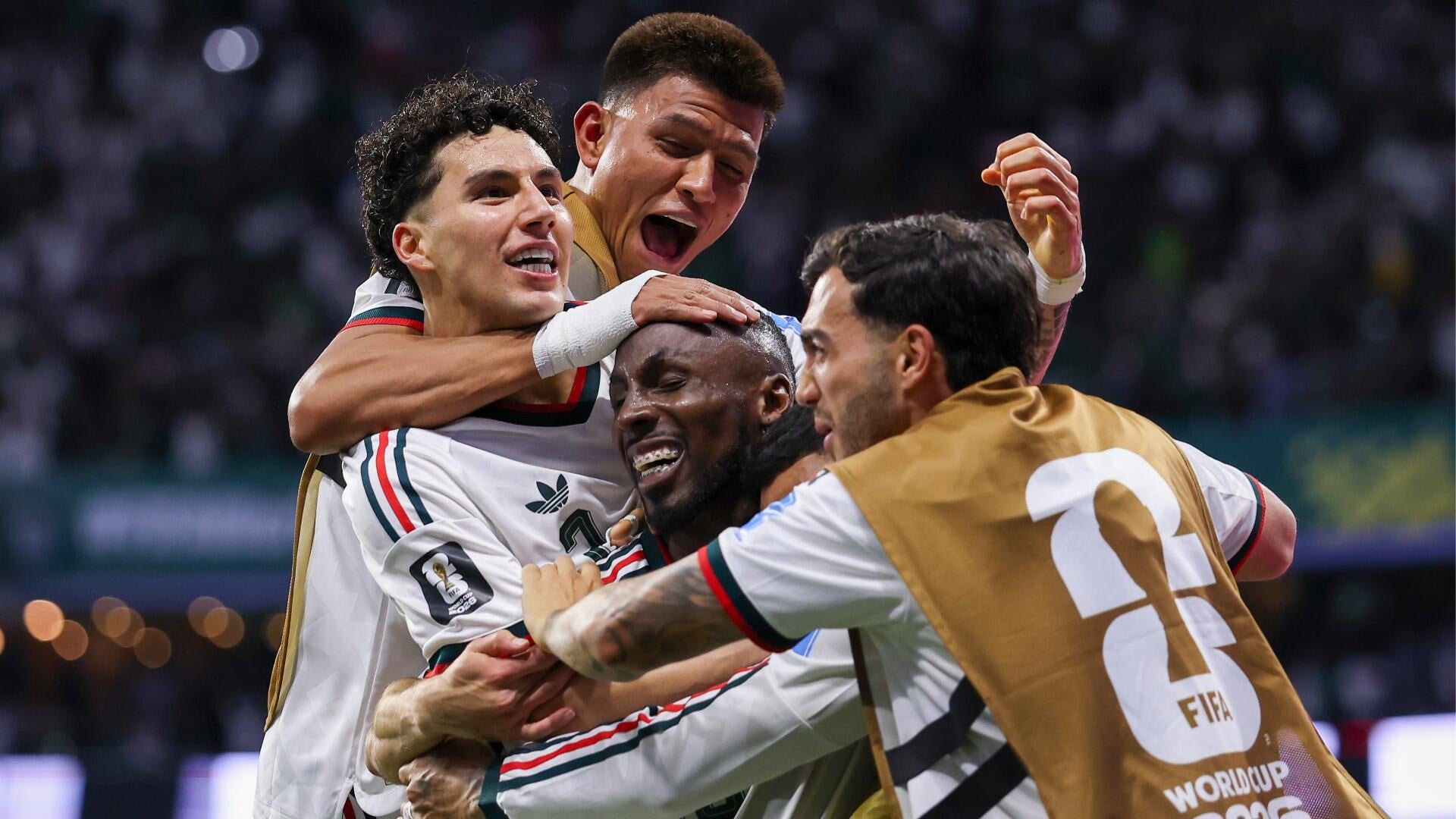
The woodwork did more defending in the first forty-five minutes of Ecuador versus Côte d'Ivoire than either back four. At the Estadio match venue on 14 June 2026, Group E served up a goalless half that deserved at least one goal: Alan Minda rattled the crossbar for La Tri, and Elye Wahi later did the same for the Elephants, while Nicolas Pépé saw a close-range effort smothered by a desperate Ecuadorian block, per live updates from teleSUR English posted between 23:34 and 00:18 UTC on 14–15 June 2026.
The point worth stating plainly: Group E has spent two matches telling observers it would be a slog, and the data on the pitch is now starting to push back. A 0–0 at the break is not a story. Two crossbar strikes, a goal-line block, and end-to-end running are.
What the half actually looked like
Ecuador created the cleaner chances. Minda's shot — described in teleSUR's 23:34 UTC update as a quick effort from inside the box that "crashed against the woodwork" — was the half's clearest moment, a reminder that La Tri's wide players can cut inside onto their stronger foot and generate shots on goal from the kind of central positions most opposing defences try to deny. Minda, who plies his club trade in the Belgian top flight, has long been cast as the domestic-league outlier in Sebastián Beccacece's squad; on this evidence the manager's selection holds up.
Côte d'Ivoire's response was more vertical. Pépé's late-first-half chance — a pass met inside the box, a shot fired, a block thrown in — was the kind of moment that turns 0–0 into 1–0 or stays 0–0 depending on centimetres. Then, in the early second-half exchanges, Wahi — the former Montpellier and Eintracht Frankfurt forward now rebuilding his career in Ligue 1 — met the ball near the penalty spot and produced a first-time volley that also struck the crossbar, per teleSUR's 00:18 UTC update.
Why the early "Group of death for the Africans" frame is wrong
Pre-tournament coverage in some Western outlets framed this section as the group in which one of Africa's traditional powers would be eliminated early — a tidy, condescending narrative in which a draw between Ecuador and Côte d'Ivoire is treated as a moral victory for the African side regardless of result. The first forty-five minutes at this venue made that frame look thin. The Elephants are not playing to survive the group; they are playing to win it, and the second-half chances reflect that intent.
The counter-narrative is not without basis. Côte d'Ivoire's recent record at the expanded World Cup format is uneven, and the squad is in a transitional phase between the generation that won the 2023 Africa Cup of Nations on home soil and the next cohort. But transition is not the same as decline, and the early returns from the group suggest that Emerse Faé's side is closer to the latter than the former.
The structural read: open games decide open groups
Group E, on the early evidence, is not a group that will be settled by a single moment of individual brilliance. It will be settled by which side manages the spaces between the lines when the opposition presses. Ecuador's central midfield has historically been the unit that holds the section's shape; Côte d'Ivoire's wingers have historically been the unit that breaks it. When both sides are running end-to-end, as they were at the break, the match becomes a question of substitution timing and the first defensive mistake rather than the first attacking one.
The two crossbar strikes are, on a long enough timeline, an expected-value argument. Each one is a goal not scored; over the course of a tournament, sides that hit the woodwork at this rate convert the pressure into goals at roughly the league-average rate of around 30 per cent. Ecuador and Côte d'Ivoire are both creating the kind of chances that, repeated, become goals.
Stakes, with the caveats intact
If the trajectory continues, the group resolves not on goal difference but on which side converts first in the third match — the kind of slow-burn section that FIFA's expanded format was designed to produce. That is good for television and good for the betting markets; it is less good for the coaches, who now have to manage legs through the second half of a tournament played in a North American summer.
What remains uncertain is the fitness picture. Neither teleSUR's running updates nor the available live wire specified injury status for either side at the interval, and a half this open tends to punish the team that loses a midfield runner to a cramp in the 70th minute. The second-half tactical adjustments — who goes to a back five, who pushes a full-back into a wing-back role — will likely determine the result more than the half-hour of football that preceded them. The woodwork has done its job. The defenders, on both sides, have not yet been asked to.
Wire provenance
This editorial synthesis draws on the following public wire/social posts:
- https://x.com/telesurenglish/status/HK0BCg_XYAABXU2