The week before the 2026 NBA draft: trade talk, top-five clarity, and the Cooper Flagg question nobody can dodge
A week out from the 2026 NBA draft, ESPN's updated 60-pick mock lands Cooper Flagg in Dallas and flags a fluid lottery. The interesting moves are happening two rows below the top.
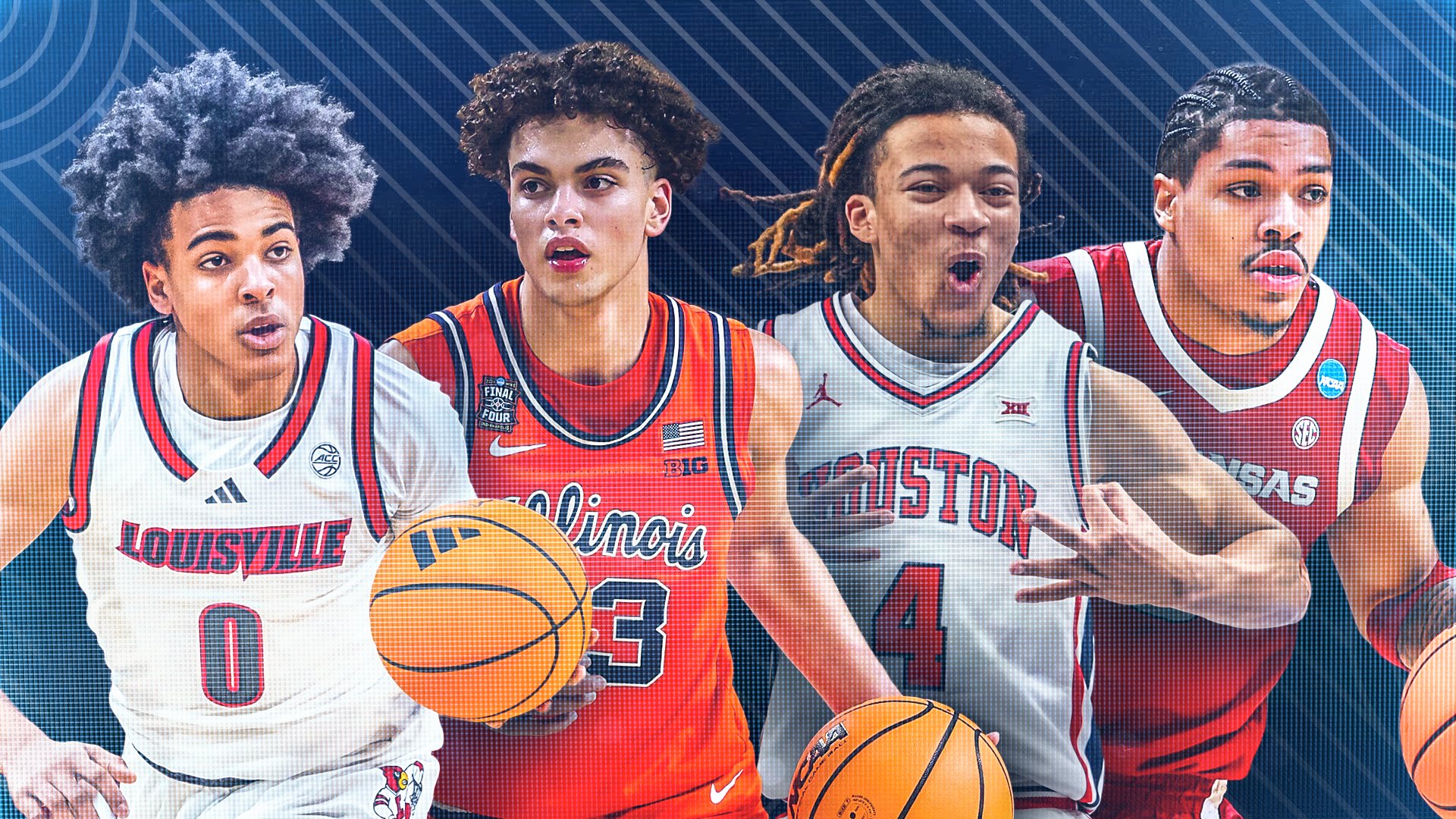
The 2026 NBA draft lands on 25 June 2026 in Brooklyn, and the most consequential information about it will not arrive on draft night. It will arrive this week, as front offices work phones, attach protections to 2027 and 2029 first-rounders, and try to move up or down the board before the room in Barclays Center forces a decision. ESPN's updated 60-pick mock, published on 15 June 2026 at 13:55 UTC, gives the clearest read yet on how insiders expect the top of the class to shake out — and how unsettled everything from pick six onward still is.
The through-line of the mock is unromantic: Cooper Flagg goes to the Dallas Mavericks at number one, the rest of the top five sorts itself out by team need, and the real action lives in the back half of the lottery, where three or four franchises are openly entertaining offers to move.
What the top of the mock actually says
ESPN's projection has Dallas staying put at one and taking Flagg, the Duke forward who has been the consensus number-one prospect since the college season ended. The Mavericks, coming off a transitional year, are treated in the mock as a team picking for ceiling rather than fit. The next four picks — to Charlotte, Washington, Brooklyn and San Antonio in some order in the simulator's read — are where positional scarcity starts to bite. There is a credible center in this class, a couple of NBA-ready wings, and a deeper pool of lead-guard prospects than the public discussion has acknowledged. ESPN's mock leans towards teams taking the best available rather than reaching for positional need at five.
What the document does not do, and what no public mock can do, is price in the trades. The 15 June update lands seven days before the draft, which is the window in which deal-making is loudest and least reported. Multiple teams in the 7–14 band are believed to be open to sliding back, which means the price of a 2027 first-round pick is the actual currency of the week, not the names on the board.
The counter-narrative: trade-up or tank-and-stick
The dominant industry read is that a contender will try to move into the back half of the lottery to grab a rotation-ready wing. The counter-narrative — and the one gaining traction in front-office chatter covered by ESPN — is the opposite: that a team already in the teens would rather keep its pick, take the best available prospect, and absorb the loss in the standings that comes with playing a rookie over a veteran. The tax apron and the new collective-bargaining-agreement restrictions on second-apron teams have made it harder to aggregate salary, which tilts the math towards smaller, simpler deals: one first-round pick, one rotation player, one matching contract. Blockbusters, in this market, are costly to construct and slow to consummate.
There is a third possibility the mock barely addresses, which is that a team in the 6–10 range attaches its pick to a veteran in a sign-and-trade in the hours after the draft, converting the rookie selection into cap relief. The 2025 off-season showed that front offices will use the draft as a cap-mechanics event, not just a talent event, when the apron squeezes.
What the structural pattern actually is
Mock drafts are a strange product. They are presented as forecasts, but they are really a snapshot of the current information environment: which agents have leaked which workouts, which teams have called which players in for second visits, which general managers have been photographed at which agents' dinners. The further the mock goes from pick one, the more it reflects the consensus of insiders rather than any single evaluator's view. That is also why mocks converge on the top three and diverge sharply by pick ten.
A second structural feature of this draft is the international class. The 2026 pool is the deepest in years for drafted-and-stashed prospects, and ESPN's late-first-round projections reflect that: there is at least one non-college name in the 20–30 band in most major mocks. The implications are longer-arc. Teams drafting for 2027 roster construction are not just evaluating who can play next season; they are buying optionality on a second-apron rule change that is widely expected to be negotiated into the next CBA.
Stakes, and what remains genuinely unknown
The clear winners if the mock holds are Dallas, which lands a transformative talent in a year it can afford to develop him, and whichever team in the 6–10 band successfully moves down and picks up a 2027 first. The clear losers are the teams in the middle of the lottery that get stuck picking at a number where the board has flattened and the best available player does not match a roster hole. The Mavericks, in this scenario, get the easiest decision in the room.
What remains unknown, and what no public mock can resolve, is the medical information on the two or three prospects whose draft stock is most sensitive to combine and pro-day results. There is also the unresolved question of which unrestricted-free-agent dominoes fall in the 48 hours before the draft, since a star signing can collapse a team's draft board overnight. The 15 June mock is, by ESPN's own framing, a snapshot — the floor of the kind of certainty the public will get before pick one is called.
This publication treats mock drafts as informative about league behaviour, not predictive about player outcomes. The interesting 2026 story is less who goes first than how the trades around the lottery reshape the cap table for the next two seasons.