SpaceX's $85.7bn debut wasn't a retail party. It was a wholesale transfer.
The greenshoe was maxed. The shares were tiny. The lesson is older than Wall Street: when the float is an afterthought, the celebration is for somebody else.
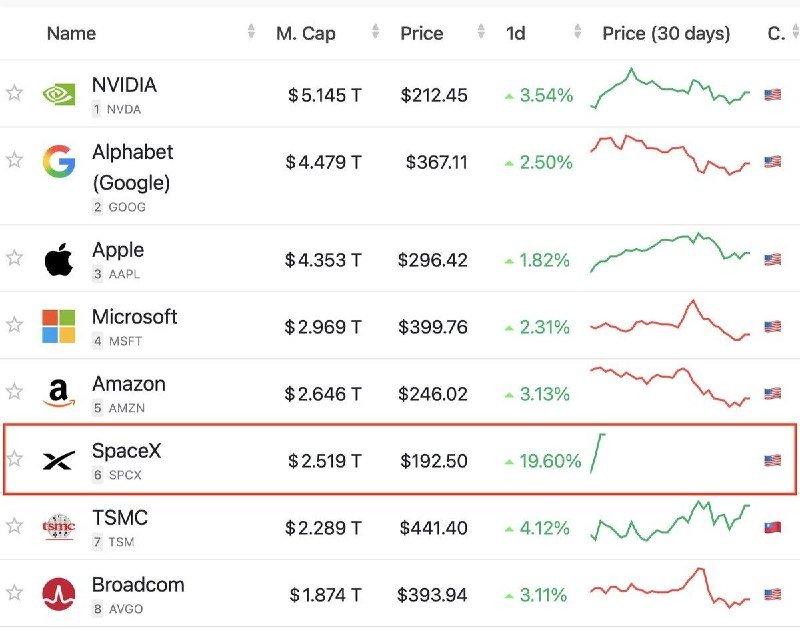
On 15 June 2026, SpaceX priced what Reuters called a record Wall Street debut, and within hours the underwriters had exercised the full greenshoe option, pushing the total raise to $85.7 billion according to CNBC. The headline figure is the largest equity offering the market has ever processed. The story underneath is smaller, and less flattering.
This publication has spent the better part of a week reading the post-deal coverage, the allocation chatter, and the retail-broker notes. The pattern is consistent enough to name plainly: ordinary investors got crumbs, the institutions that mattered got the meal, and the press release is being passed off as a triumph of popular access to capital markets. It is nothing of the kind. It is a wholesale transfer of equity from a privately held rocket company into the portfolios of people who already own everything else — dressed up, as these things always are, as democratisation.
The float was never meant for you
Read the allocation coverage carefully. TechCrunch and CNBC both report that underwriters maxed out their overallotment, which is the bit that turns a large IPO into a record one. What neither headline quite says out loud is that the additional shares went where overallotment shares always go: into the syndicate, into anchor accounts, and into the books of the asset managers whose clients already own the S&P 500.
Reuters described the debut as a rally-defining event, which is true at the index level. It is less true at the brokerage-app level, where individual investors reported allocations measured in single-digit share counts, and where the hold-or-sell question landed within hours of the opening bell. The piece that ran on this subject under the Reuters wire on 15 June at 16:35 UTC captured the texture of the moment well: those who did receive stock were already splitting into sellers and holders, with no consensus view forming because there was no consensus position to begin with.
That is what a thin float looks like from the bottom. There is no crowd to take the temperature of. There is a small pool of institutional holders and a long tail of retail accounts with rounding-error positions, none of whom can move the tape and most of whom are being asked to behave like long-term shareholders on day one.
Greenshoe, in plain English
The mechanics matter here, and they are worth translating. An IPO greenshoe — formally, the over-allotment option — gives underwriters the right to sell up to 15% more shares than the company initially offered, and to buy those shares from the company at the offering price. The underwriters only exercise the option when demand at the offer price is strong enough that they can sell into it and pocket the difference. The full exercise, on a deal of this size, is itself a signal: it tells you the book was oversubscribed, and that the bank desks believe there is more demand left to absorb.
It is also a signal of the inverse kind. A maxed greenshoe is, in part, a vote of confidence in the institutional bid. Retail does not get to participate in the greenshoe. Retail, on most deals of this profile, is fighting over the original float, which in this case was already small relative to the order book. When CNBC reports that the raise "grew" to $85.7 billion, the verb is doing a lot of work. What grew was the institutional allocation, not the public's share of it.
The historical frame, stated plainly
There is a recurring pattern in American capital markets, visible any time a high-profile private company crosses over: the offer is sized to be celebrated, not to be held. The float is calibrated for the narrative — big enough to set a record, small enough to keep the price action tight in the hands of friendly holders. Subsequent secondary offerings widen the float over months and quarters, and by the time ordinary investors have a meaningful position, the multiple has already done its work.
This is not a conspiracy. It is the standard operating procedure of a primary-markets industry that sells access to scarcity. The story of the SpaceX debut, told honestly, is not that 85.7 billion dollars of capital was raised. It is that 85.7 billion dollars of equity was placed, by a small group of banks, with a small group of buyers, in a structure designed to look like a public event.
The press releases will not say that. The analyst notes, written by the same banks that ran the deal, will not say that. The job of saying it falls to outlets that are not in the syndicate, and to readers who understand that the float is the message.
What retail actually won
Two things, neither of them equity in any meaningful sense. The first is a story. Retail investors, and the financial press that addresses them, now have a new ticker to talk about, a new name to attach to portfolios that did not meaningfully change, and a new data point in the running tally of how American capital formation is supposed to feel.
The second is a decision. The Reuters report from 15 June at 16:35 UTC described a real bifurcation: some recipients are selling into the debut, taking the small gain and the tax event; others are holding for the long haul on the theory that SpaceX is, at core, a private-market asset with a public-market wrapper. Both groups are making rational decisions given the position sizes they actually hold. The structural point is that the choice was imposed on them by an allocation, not chosen by them as investors.
That is the line worth holding. A market that allocates by invitation is not, in any honest sense, a public market. It is a private market that occasionally prints a certificate and calls itself one. SpaceX's record debut will be cited for years as proof of investor appetite. The proof on the other side of the trade — that the appetite was institutional, the float was thin, and the retail experience was an afterthought — is in the same coverage, on the same day, and is worth the same column inches.
The companies that will eventually issue the next round of secondary stock will set the price. The retail accounts that hold a handful of shares today will be the liquidity for that trade. The fact that the headlines frame this as a win for popular capitalism tells you more about the press than about the market.
This piece reflects the editorial line of Monexus News: the float is the message, and the celebration belongs to the syndicate.
Wire provenance
This editorial synthesis draws on the following public wire/social posts:
- http://reut.rs/3QIGzz5