A U.S.–Iran deal revives risk appetite — but crypto isn't buying the headline
A weekend agreement between Washington and Tehran has lifted equities and pulled crude lower, but crypto traders have grown wary of geopolitical 'peaces' that don't hold — and the prediction markets are quietly pricing the odds.
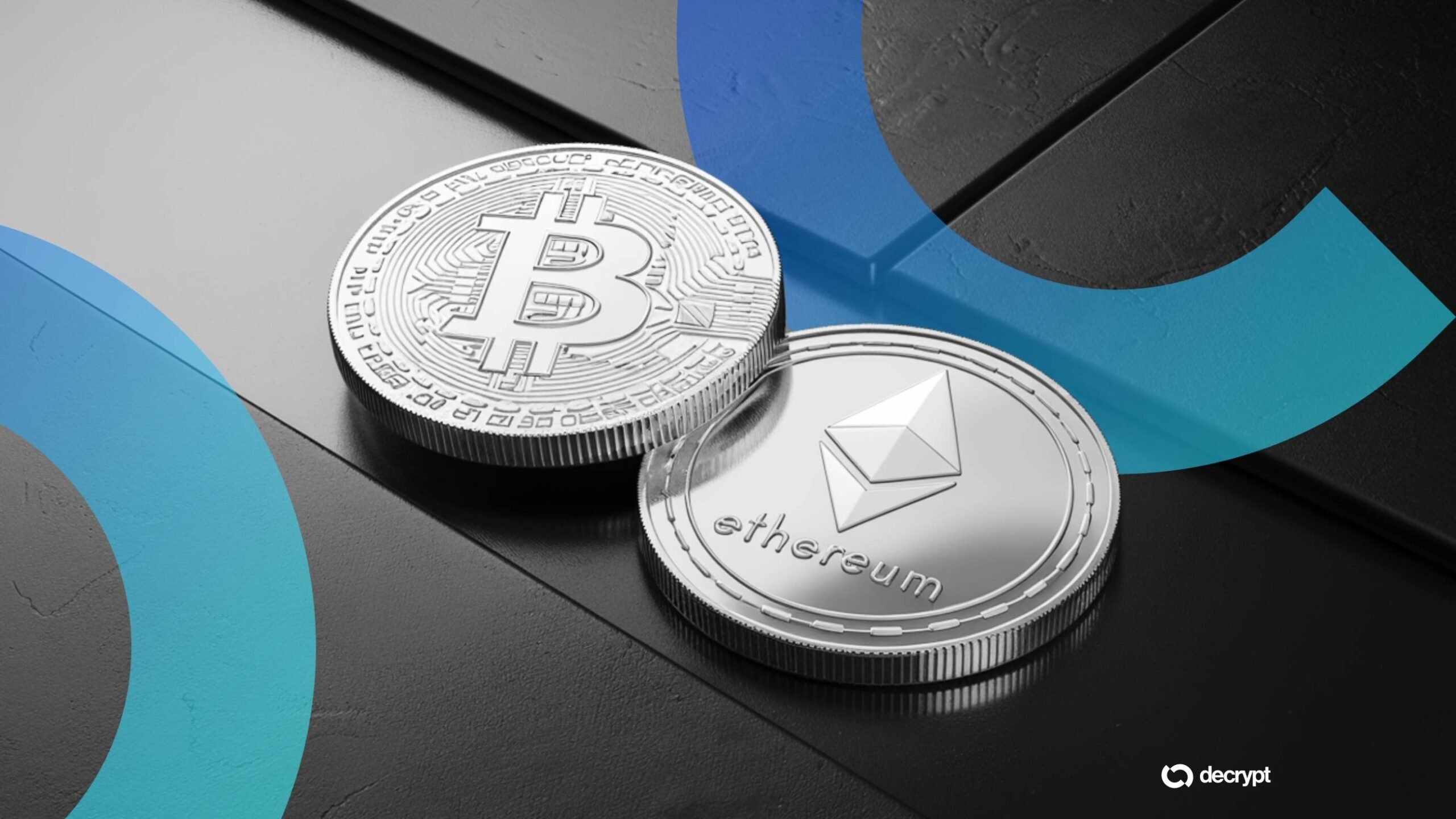
Equities rallied and crude prices fell on 15 June 2026 after a weekend diplomatic agreement between the United States and Iran, a deal that traders had been treating as a precondition for the next leg of risk-on positioning. Bitcoin and Ethereum, the two largest cryptocurrencies by market capitalisation, initially tracked the broader relief bid before traders stepped back, wary of a pattern in which the same geopolitical headline has, in recent years, been walked back within weeks.
The setup, on the surface, is straightforward. When Washington and Tehran move toward normalisation, oil supply fears ease, the dollar gives back some of its safe-haven premium, and capital rotates into riskier corners of the market. The wrinkle is that this is not the first time the trade has been offered to crypto desks, and the trade has not always paid out the second time around.
The headline, and what moved
The relief bid was visible across the conventional tape. U.S. and European equity indices opened higher as the cost of insuring against a Strait of Hormuz disruption fell; Brent and WTI benchmarks slipped on the prospect of an Iranian export corridor reopening, or at least on the perception that one might. The dollar index traded softer, a routine consequence of any development that loosens the geopolitical premium embedded in energy prices.
Crypto, as CoinDesk noted in its 15 June 2026 market wrap, did not fully participate in the relief. Bitcoin and Ethereum ticked up at the open and then spent the day giving back gains, with traders watching the dollar and oil tape more than the diplomatic communiqués. The reporting's framing is worth preserving: crypto markets have, in the words of the desk, "learned to distrust this particular headline." That is a behavioural observation about positioning, not a forecast about geopolitics, and it matters for how the next 48 hours are likely to trade.
What prediction markets are actually pricing
The most concrete read on the durability of the agreement comes from Polymarket, where a contract titled "Who will sign U.S. x Iran deal?" was listed on 12 June 2026, with the platform also running a companion contract on whether the agreement is signed by 31 July 2026. As of the morning of 15 June, that second contract sat at 92% implied probability, per the unusual_whales account on X, which routinely surfaces prediction-market data for finance audiences.
Read in isolation, 92% is a strong endorsement of the deal closing on schedule. Read against the history of 2024–2026 — in which multiple putative Iran agreements were announced, partially executed, and then allowed to lapse under sanctions-enforcement disputes — the number is also a reminder that prediction markets price contracts, not relationships. The market can simultaneously believe that the signatures will land and that the implementation will drift.
A useful structural point: the Polymarket contract prices a discrete event (a signature by a date). It does not price the conditional chain — the verification regime, the sanctions-relief sequencing, the response of Gulf state and Israeli counterparties, the question of Iranian crude export licences. A 92% probability of an event is not the same as a 92% probability that the underlying policy intent is durable, and crypto desks, which have been burnt by that distinction repeatedly, trade accordingly.
The structural reason crypto hesitates
The reluctance is not a contrarian pose. It is a response to a specific historical pattern: relief rallies in risk assets, including crypto, that have been triggered by announcements of U.S.–Iran détente have a poor three-month track record of holding. In several prior episodes, the announcement was followed by a hardening of the very conditions the deal was supposed to ease — sanctions enforcement actions, retaliatory tanker seizures, or a slow-walk of implementation that pushed the actual supply response out by a quarter or more. Each time, oil re-tightened, the dollar caught a bid, and the speculative excess in crypto got mean-reverted.
A further structural factor: a U.S.–Iran agreement, even a successful one, primarily affects the dollar through the oil channel. Crypto has its own endogenous drivers — stablecoin liquidity, ETF flows, the regulatory cycle in Washington and Brussels — and the correlation between a geopolitical peace premium collapsing and a sustained crypto bid is weaker than the correlation between the same peace premium and a cyclical equity bid. The trade that pays cleanly in this scenario is long cyclicals, short energy, long EM FX; the trade that pays cleanly in crypto is, more often, simply to wait for confirmation that the oil re-pricing is durable.
That is what desks appear to be doing. The intraday pattern in Bitcoin and Ethereum on 15 June, fading the initial pop, is consistent with a market that wants to see two or three sessions of stable energy and dollar action before it commits fresh capital, rather than a market that is calling the deal a head fake. The scepticism is positional, not directional.
Stakes and the week ahead
The near-term stakes are mechanical. If the agreement holds through its first implementation milestone — typically a sanctions waiver, a frozen-funds release, or an oil-export licence issuance, depending on the framework — the relief trade can extend. Crypto would likely follow equities higher with a lag, on confirmation of dollar weakness and a stable oil curve. If the implementation slips, or if a counter-party publicly re-opens a point the deal was meant to close, the trade reverses sharply. The 31 July Polymarket deadline gives the market a clean focal point; traders will be watching that clock.
The longer stakes are structural. A durable U.S.–Iran accommodation would, over a year or two, pull several billion dollars per day of Iranian crude back into the seaborne market, ease the structural risk premium currently embedded in Middle East shipping insurance, and modestly reduce the dollar's geopolitical bid. None of that is bad for crypto, in principle. But the lesson of the last three years is that the principle and the announcement are not the same event, and the market is pricing the difference.
Monexus framed this against the standard wire reads by foregrounding the prediction-market data — the Polymarket contracts and the 92% figure — as the cleanest available measure of deal durability, and by treating crypto's hesitation as positional scepticism rather than contrarianism.