A Stablecoin Paycheck at the White House: UFC 250 and the Politics of USD1
At UFC Freedom 250 on the White House lawn, fighter bonuses were paid in USD1 — the stablecoin issued by the Trump-linked venture World Liberty Financial. The optics were not subtle.
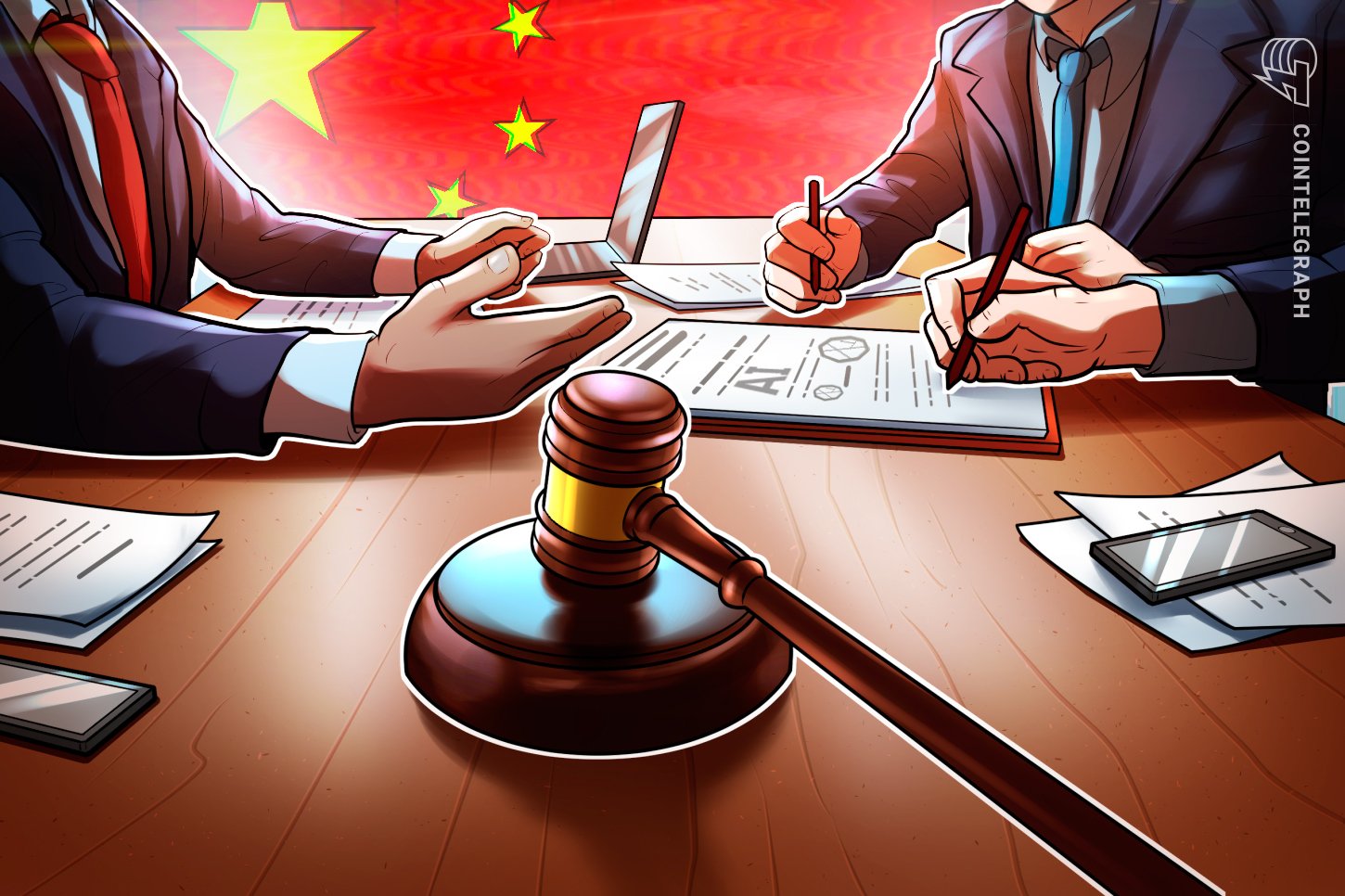
At 08:09 UTC on 15 June 2026, CoinDesk reported that fighter bonuses at UFC Freedom 250 — a mixed-martial-arts event staged on the White House lawn — were paid in USD1, the stablecoin issued by World Liberty Financial, the crypto venture tied to the Trump family. The choice of currency, in a venue owned by the US federal government, was not a logistical detail. It was the message.
The message is that the boundary between a sitting US presidency and a family-branded digital dollar is no longer a boundary at all. The event that sold itself as a birthday celebration for the 80-year-old president — and that, according to Telegram channel ClashReport at 10:18 UTC on the same day, included the president appearing to fall asleep on the lawn — also functioned as a product placement for an issuer that benefits directly from the administration's regulatory posture toward stablecoins. Reading the two facts together, the policy story and the spectacle story are the same story.
A stablecoin, a family, and a venue
USD1 is the dollar-pegged token issued by World Liberty Financial, the venture in which the Trump family holds a disclosed equity stake. CoinDesk's 15 June dispatch confirmed that bonus payouts to fighters at UFC Freedom 250 were denominated in USD1, not in US dollars wired through a conventional payments processor. For a stablecoin, the design is meant to be invisible: a token on a blockchain that, in theory, settles one-for-one against the dollar and is redeemable through the issuer.
The story sits inside a much larger one. Stablecoins have become the most aggressively marketed on-ramp between crypto markets and the US dollar, with the issuers of the largest tokens — Tether's USDT and Circle's USDC — together moving hundreds of billions of dollars in annual settlement volume. The Trump-linked venture entered that market late, with political access that incumbents do not have. The choice to pay UFC fighters in USD1 converts a private commercial decision into a piece of state-adjacent branding, run inside the most symbolically loaded venue in the country.
The framing matters. A presidential administration that has signalled openness to lighter-touch stablecoin regulation is now, in effect, the marketing department for one specific issuer. The White House lawn, in this telling, is doing what a Super Bowl commercial does for a soda brand — only the brand is a dollar instrument controlled by the president's family.
The spectacle problem
A Polymarket post timestamped 14 June 2026 at 17:58 UTC noted that a single lightning strike within eight miles of the White House would, reportedly, have triggered an automatic 30-minute freeze of UFC Freedom 250. The detail is small, almost comic, but it captures the texture of the day: an outdoor combat-sports event staged on federal grounds, with weather-risk protocols calibrated to the proximity of the Capitol, and a head of state — per ClashReport's account — apparently dozing through portions of his own birthday showcase.
Layered on top of the optics is a question of whose money is being celebrated. UFC fighter pay has long been a contentious subject, with promotions criticised for the share of revenue that reaches athletes relative to the share retained by promoters and broadcast partners. A bonus pool paid in a politically connected token reframes that debate. A bonus is, nominally, a wage supplement; here it is also an endorsement. The fighters become, however briefly, retail-facing ambassadors for USD1 by virtue of having received it.
The corporate-financing logic is not novel; endorsement deals have paid athletes in equity, in NFTs, and in platform-specific tokens before. What is novel is the seat at which the issuer sits. A venture whose fortunes move with the regulatory weather in Washington has, on this evidence, been handed a captive audience inside the building where that weather is made.
Dollar politics, rebranded
The structural frame is dollar politics, repackaged. The United States has historically tolerated — and at times actively encouraged — the growth of private dollar-denominated instruments abroad because every transaction settled in dollars reinforces the currency's centrality to global trade. Stablecoins extend that logic into the crypto economy: each USDT or USDC on a balance sheet is, in effect, a claim on the US monetary system, even when no US bank is the counterparty.
USD1 enters that contest with a distinctive feature. Its issuer is politically aligned with the incumbent administration, and its distribution channels appear to include settings — a White House UFC card, in this case — that no competitor can access. The policy implication, which will be the subject of sharper questions in the months ahead, is whether a stablecoin with that kind of state-adjacency can be regulated on the same terms as a stablecoin without it. If it cannot, the implicit subsidy accrues to the politically connected issuer, and the implicit cost is borne by competitors and by the credibility of the regulatory perimeter around dollar instruments more broadly.
There is a counter-reading, and it should be set out in its strongest form. The administration can argue that US-domiciled stablecoin issuance, regardless of issuer, is a strategic asset in the contest with foreign-issued alternatives, and that early-state competitive advantages — including promotional access — are ordinary commercial activity. The dollar is a public good; an American family business issuing a dollar token is, on this telling, a private actor doing the country's work.
The objection to that reading is not ideological. It is procedural. A presidency that maintains an equity-or-adjacent relationship with an issuer it also regulates is, at minimum, a recurring conflict of interest — and the UFC bonus, small in absolute dollars, is the kind of moment that turns an abstract conflict into a visible one.
What remains unclear
The sourcing on this story is thin in places, and the article should mark its own limits. The CoinDesk dispatch establishes the USD1 payout; the ClashReport note establishes the visual scene; the Polymarket post documents a contingency rule, not a payout. The sources do not specify the total size of the bonus pool, the dollar value of individual payouts, or the contractual terms under which World Liberty Financial secured placement at the event. They do not confirm whether the fighters were offered a choice of currency, or whether the on-chain settlement of USD1 was performed by the issuer directly or via an intermediary.
Each of those gaps is reportable. Each is also the kind of detail that a Senate or House oversight inquiry, were one to be opened, would request first. The structural story is clear; the transactional story still wants its ledger.
The stakes
If the trajectory continues, three groups win and one loses in the near term. The Trump-linked venture wins distribution and political cover; the administration wins a domestic illustration of its digital-asset posture; the dollar wins reinforcement as the unit of account for an emerging retail crypto economy. The loser is the regulatory perimeter: the line between a US president and a private issuer, drawn once in norms and now being redrawn in cash-equivalent payouts on the South Lawn.
The longer horizon is more interesting. A US financial architecture in which a politically connected issuer enjoys privileged access to state venues is a different architecture from one in which issuers compete on price, redemption quality, and transparency. The difference will not be decided in a UFC ring. It will be decided in rule-making, in enforcement patterns, and in the next round of congressional hearings on stablecoin policy. The 15 June event is a marker, not a verdict — but markers are what historians use to date the moment a position hardened.
This piece focused on the financial and political framing of a stablecoin payout at a White House event. Wire coverage emphasised the spectacle; the underreported angle is the regulatory asymmetry the spectacle reveals.
Wire provenance
This editorial synthesis draws on the following public wire/social posts:
- https://t.me/ClashReport
- https://en.wikipedia.org/wiki/World_Liberty_Financial
- https://en.wikipedia.org/wiki/Stablecoin