Cape Verde's draw with Spain is more than a football upset — it is a small-state lever in plain view
A 0-0 draw between 64th-ranked Cape Verde and Spain is a footballing shock, but the politics of who plays, who broadcasts and who profits will outlast the tournament.
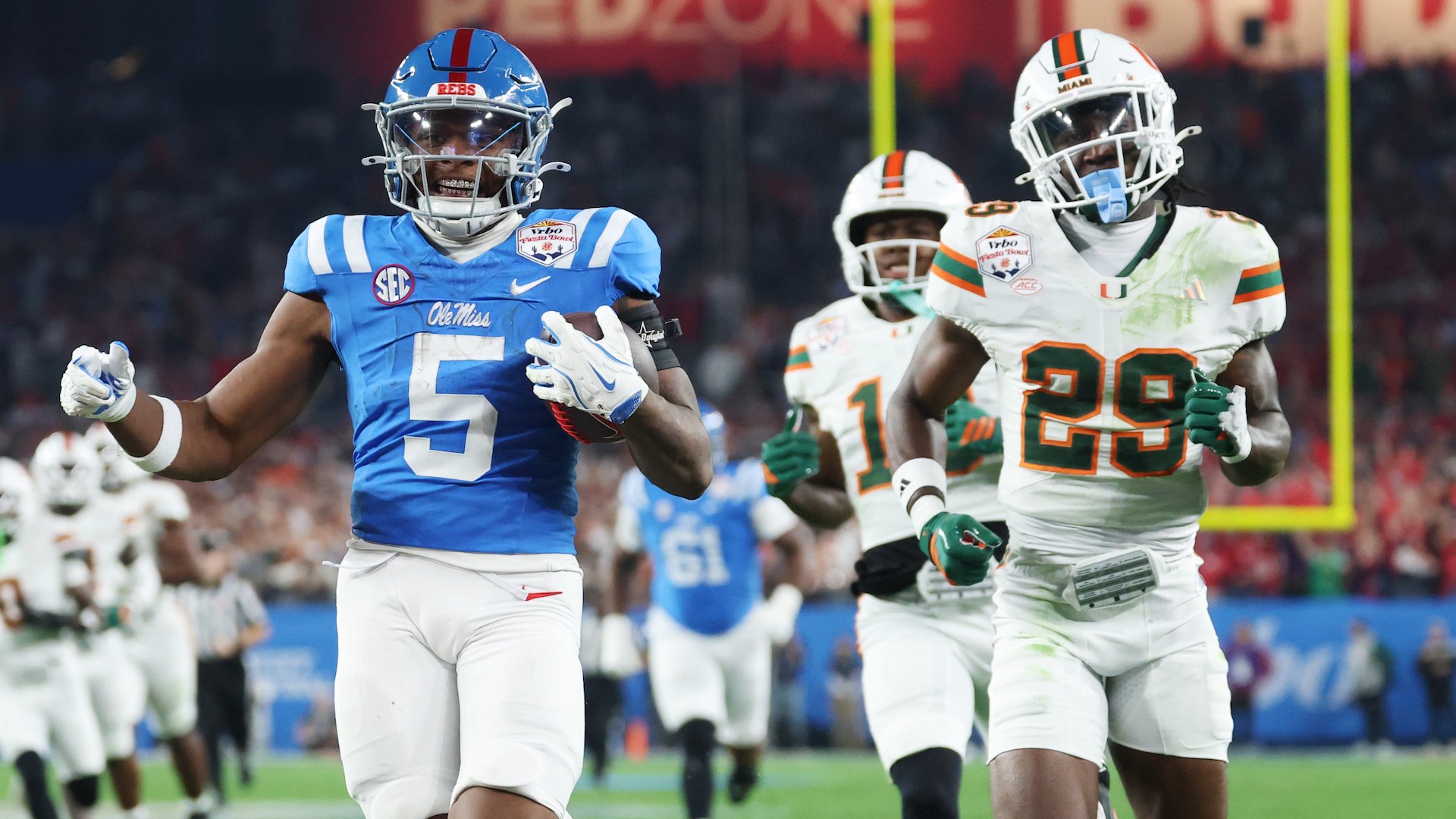
Cape Verde walked off the pitch on 15 June 2026 with a 0-0 draw against Spain, the kind of result that gets filed under "group-stage shock" and forgotten by the second round of fixtures. It will not be. The island nation of roughly 600,000 people — ranked 64th in the world — held a squad built on La Masia graduates and Champions League winners to a stalemate in the opening match of their 2026 World Cup campaign, and the celebration in Praia, in Tallinn, in Dublin, and across Cape Verdean diaspora communities from Rotterdam to Boston was loud enough to register beyond the football press. According to BBC Sport, the performance of Cape Verde defender Roberto 'Pico' Lopes evoked pride among supporters of his club, the League of Ireland side Shamrock Rovers, for whom he plays his domestic football. That detail — a Cape Verde international anchoring his national team's greatest result while earning a wage in Dublin's top flight — is the story inside the story.
The draw is a sporting upset with structural overtones. It is also a small reminder that the global game is increasingly shaped by migratory networks, dual-nationality eligibility rules, and the economic gravity of European leagues — not by FIFA rankings or continental power maps. Spain have a documented history of slow tournament starts before finding form, as ESPN noted in its post-match coverage, but "slow start" is a charitable frame for a draw against a side they were expected to beat by two clear goals. Cape Verde, for their part, did not need to invent themselves for this tournament; they have been qualifying, competing, and exporting players to European leagues for two decades. What changed on 15 June is that the production line produced a result.
A result shaped by the European club system
Lopes is the connective tissue. He plays in the League of Ireland, a competition that does not register in UEFA's top rankings, and he was part of a Cape Verde back line that, according to ESPN, kept a clean sheet against a Spanish attack featuring the kind of technical profile that usually shreds lower-ranked opposition. The fact that a Shamrock Rovers centre-back was the last line of defence says something specific about how modern national teams are built: not from a closed domestic league, but from whatever rung of the European pyramid a player can climb. Cape Verde's squad, like Iceland's in 2016 and Morocco's in 2022, is a diaspora product. The Spanish federation will study the tape and worry about set-pieces; the structural lesson is elsewhere.
European clubs at every level — from Shamrock Rovers in Dublin's Tallaght Stadium to the academies of Lisbon, Rotterdam, and Lyon — have spent two decades recruiting from West Africa and the Atlantic islands. The pipeline is the point. A draw against Spain does not come from nowhere; it comes from a player pool that has spent the previous decade in professional environments, even if those environments are unglamorous ones.
The Global South lens, applied carefully
The temptation, when a small former-Portuguese colony holds Europe's fourth-ranked footballing nation, is to read it as a parable. Resist that. Cape Verde is not a development story waiting for the World Bank; it has been a stable multiparty democracy since the early 1990s, with a service economy built on remittances, tourism, and a strategic position in Atlantic shipping lanes. Its football federation has invested in youth structures, and its diaspora has invested in itself. The draw is a credit to that infrastructure, not a deviation from it.
That said, the broadcast economics of this World Cup are not symmetrical. Cape Verde will earn appearance fees and a share of prize money from FIFA, and every draw against a marquee opponent multiplies the value of their squad on the transfer market. Spain, meanwhile, loses a fraction of the expected value of a comfortable group-stage win, and the value of any individual Spanish player's "brand metrics" against a side they were meant to beat is effectively zero. The exchange is not equal. The result, however, was.
Counterpoint: Spain are still favourites
A single 0-0 draw does not rearrange a tournament. Spain have won major tournaments after slow opens before, and the depth of their squad — built through Barcelona's academy and the rest of La Liga — remains the asset that matters most across a five-match group-and-knockout run. ESPN's framing is correct: nobody in the Spanish camp is panicking. The risk for Spain is not elimination; it is goal-differential mathematics and the optics of a "struggling champion" narrative heading into the round of 16. For Cape Verde, the risk is the inverse — that a single famous result becomes a ceiling rather than a floor, and that the squad's market value inflates past what their domestic infrastructure can support.
Stakes beyond the group
The wider stakes are about visibility. A Cape Verde draw against Spain is a global headline for 36 hours; it earns column inches in every European sports desk and diaspora outlet from Lisbon to Newark. What it does not do is change the underlying economics of who owns the broadcast rights, who staffs the marketing operations, or who sits on the FIFA Council. Spain will play three more group matches regardless. Cape Verde will return to Praia, to a domestic league that does not pay European wages, and to a federation that will spend the next 18 months negotiating whether any of these players can be poached by a richer confederation.
Lopes will go back to Tallaght. The draw is his, and his team-mates', and his country's. The structural conditions that made it possible — migration, dual nationality, the European club pyramid, the diasporic economy of West African football — will continue to produce results like this one, in this World Cup and the next. The question is not whether another small nation will hold a heavyweight; the question is whether the institutions that profit from those results will ever distribute the upside with anything like the symmetry of the score sheet.
Desk note: Monexus led on the diasporic, club-system angle that the wire copy underplayed; ESPN's match report was the primary factual ledger for the result and ranking context, BBC Sport was the source for Lopes's club affiliation.