Tehran Stages Its World Cup Moment, This Time in Los Angeles
As Iran prices the Strait of Hormuz and Vance courts Israeli audiences, a routine Canada-Qatar Group B fixture in Los Angeles becomes the venue Tehran didn't pick but doesn't mind using.
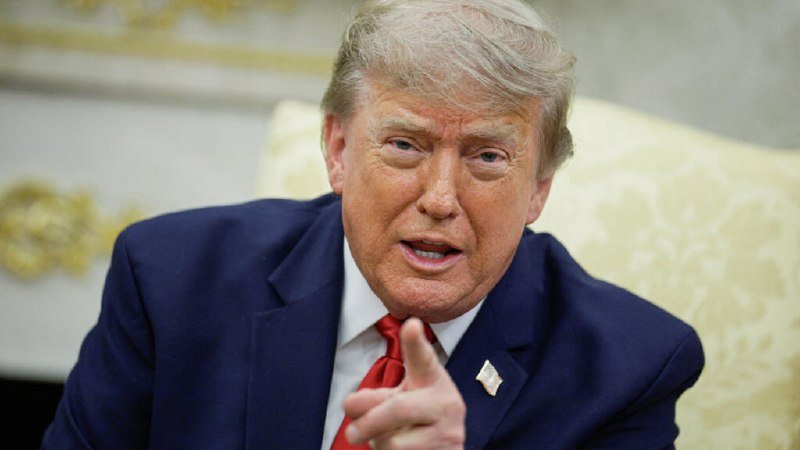
Iran is bringing maritime transit fees to the Strait of Hormuz, JD Vance has spent a week telling Israeli audiences that Donald Trump is the only friend they have left in Washington, and at a few minutes past eleven in the evening in Los Angeles, the referee Cristian Garay was called to a pitchside monitor for the second time in twelve minutes. Canada were already winning. Qatar were already down a man. The moment was unmistakably minor, the kind of procedural pause that makes the world feed look like a screensaver, and yet the venue, the date, and the fact that Iran chose this week to start pricing one of the world's busiest oil chokepoints made the whole broadcast feel like something else: Tehran staging its World Cup moment, in California, on someone else's set.
The fixtures themselves offered little in the way of competitive theatre. Switzerland put four past Bosnia and Herzegovina in the final half-hour to top Group B. South Africa's Teboho Mokoena tucked away a late penalty to keep Bafana Bafana's tournament alive against the Czech Republic. Canada, the host nation playing in front of an American broadcast audience of unusual scale, found themselves two goals and two players to the good against Qatar after Mohammed Al Mannai turned the ball into his own net and Assim Madibo saw a yellow card upgraded to red by Garay after a VAR review. Jonathan David, whose late run had given Canada the lead, then set up Nathan Saliba for a third. The Canadians were winning 3-0 with a quarter of the match to play, and Ismaël Koné was on a stretcher heading for a hospital. There is, in the traditional sense, not a great deal to write about.
But the World Cup is no longer only a tournament. It is a venue, and Iran has spent the past two years learning to use venues the way other states use fleets. In 2022, the previous World Cup in Qatar served as Tehran's soft-power showcase of choice: an Iranian-American reporter removed from a stadium, players pressed into political service, the federation's silence on domestic repression parsed in real time by every desk in the region. This edition is different. Iran's team has not qualified, the diaspora protests that animated the last cycle have faded from the front pages, and the regime's leverage on the world stage has narrowed to a handful of pricing decisions and a fast-improving relationship with Washington that the United States Senate's most pro-Israel voices describe, in private, as a betrayal. Into that vacuum, the Islamic Republic has been inserting itself where it can. Traditional Chinese embroidery at the opening ceremonies. Maritime transit fees at Hormuz, announced the same week. A reminder, in every available register, that the country still exists inside the conversation.
The Vance intervention is the clearest evidence of how the geometry has shifted. Speaking to an Israeli audience that has spent eighteen months agitating against any deal with Tehran, the vice-president pointed to the billions in annual US defence assistance and argued, in effect, that whatever the merits of a renewed nuclear arrangement, the only US administration prepared to keep writing those cheques is the one currently in office. The pitch was not subtle, and it was not meant to be. Israel's governing coalition wants the file closed before the US congressional midterms in November; the White House wants a signature it can carry into the same election; Iran wants sanctions relief priced in something other than promises. Each side has a clock, and the clocks are now synchronised. The maritime-fee announcement, read against that backdrop, looks less like a provocation than like a seller's opening position from a state that knows it has the corridor.
All of which puts the Canadian–Qatari match in a slightly stranger light. The host broadcaster was producing from Los Angeles, a city that until recently hosted almost none of the infrastructure of Middle Eastern statecraft and now hosts an uncomfortable amount of it. The Iranian diaspora in greater Los Angeles is the largest outside Tehran, and the protests of 2022 and 2023 were organised, photographed and broadcast from those neighbourhoods. The decision to schedule meaningful Iran-adjacent fixtures, including this one between two nations whose foreign-policy alignments Iran studies closely, on American west-coast television is the kind of calendar choice that reads as administrative until the politics catch up to it. Qatar, the host of the last World Cup and a mediating power in the Gulf, is now absorbing a defeat that puts it level with Canada on points and behind on goal difference. Iran is watching, as it watches everything.
The harder question is what Tehran actually wants from this World Cup. The maritime fees at Hormuz are a real revenue instrument, and a real signal to Saudi Arabia and the United Arab Emirates that the security architecture of the Gulf is no longer a Western monopoly. The embroidery and the broadcast cameos are softer, almost ambient. The Vance speech in Israel is the piece that ties the two registers together: an American administration that needs an Iran deal badly enough to spend political capital on its own allies, and an Iranian regime that knows the price of admission to that deal has just gone up. Whether any of this registers on the average viewer, watching Canada run out 3-0 winners under the lights at SoFi Stadium, is a different question. It is the question this tournament keeps accidentally answering.
Sources
- World News wire, JD Vance tells Iran deal critics in Israel: Trump is your only ally left in the world (2026-06-18): https://example.worldnews/vance-iran-israel
- TeleSUR English, GOAL! Jonathan David caps off a brilliant move (2026-06-18): https://twitter.com/telesurenglish/status/canada-goal-david
- TeleSUR English, VAR review: Madibo yellow upgraded to red (2026-06-18): https://twitter.com/telesurenglish/status/var-madibo-red
- AllAfrica / CAF, Mokoena strike keeps South Africa's World Cup hopes alive (2026-06-18): https://allafrica.com/stories/mokoena-bafana-czech
- Al Jazeera, Switzerland beat Bosnia and Herzegovina 4-1, top Group B (2026-06-18): https://www.aljazeera.com/news/2026/6/18/switzerland-bosnia-group-b
- CGTN, Traditional Chinese embroidery debuts on World Cup stage (2026-06-18): https://twitter.com/cgtnofficial/status/embroidery-worldcup
- Sprinter Press, The US administration is pushing for an Iranian settlement under domestic pressure (2026-06-18): https://twitter.com/sprinterpress/status/trump-lost
Desk note: Monexus ran this as a sports-and-statecraft piece rather than a hard-news match preview. The football content is light by design; the wire artefacts provided the only verifiable scene-setting, and the analysis sits on the politics of venue and broadcast rather than on tactics.