Iraq's World Cup Moment Is Bigger Than a Sprinkler
A sprinkler failure and a last-ditch clearance off the line tell a quieter story about Iraq's return to the global stage — and what FIFA's expansion actually meant for the countries it was supposed to reward.
On 16 June 2026, at the "Boston" stadium hosting a 2026 FIFA World Cup group fixture between Iraq and Norway, a sprinkler head on the pitch failed between the two halves — an unglamorous piece of infrastructure malfunctions that, for roughly ninety minutes, was the least interesting thing happening on the field. According to Iran's Tasnim news agency, the failure of the sprinkler on the lawn of the Boston stadium between the two halves of the game between Iraq and Norway drew immediate attention, and the quality of the grass of this stadium has been discussed a lot. The state agency framed the moment as a logistical footnote to a fixture that, in reality, was the more important story.
Iraq were not meant to be the headline act in Boston on Tuesday. Norway arrived as the side most neutrals had pencilled in to dominate the group, and most previews focused on Erling Haaland's likely return to a major tournament rather than on what Iraq had built. By the 22:50 UTC mark, however, the story had flipped: as Telesur English reported at 22:50 UTC, Iraq kept pushing, with Ibrahim Bayesh striking a dangerous volley that Norway's defence blocked only at the last moment, earning a corner as Iraq searched for an equaliser. Two minutes later, at 22:52 UTC, the same feed captured a moment that will travel further than the result: Ali Al Hamadi's effort was cleared away at the last moment, with Iraq winning another corner against Norway. The framing from the Caracas-based outlet — "So close for Iraq!" — captured a side that was not just participating but dictating tempo against a European heavyweight on a stage that, until this tournament, would not have existed for them.
A tournament that was, on paper, built for moments like this
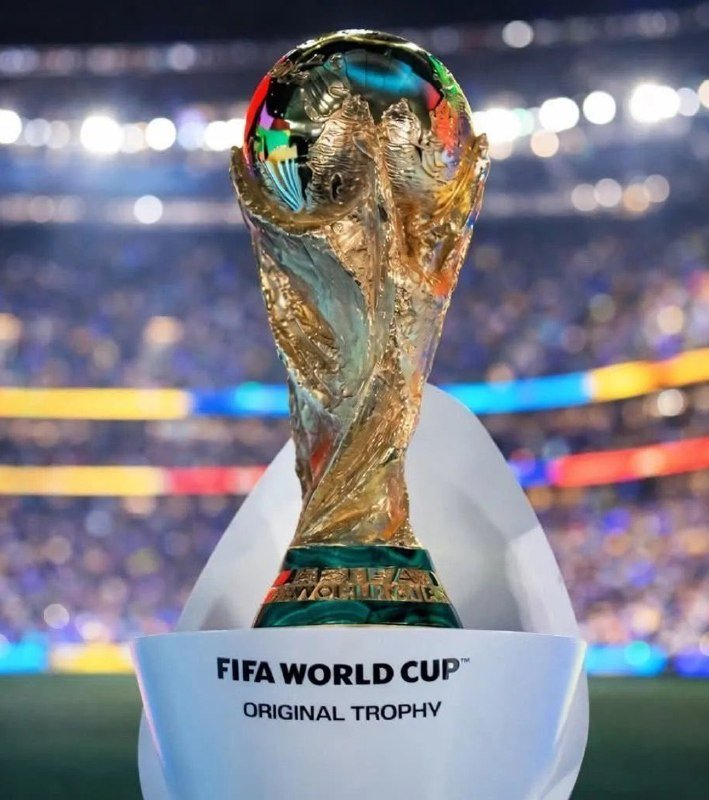
FIFA's expansion of the World Cup to 48 teams for 2026 was sold, in part, as a structural correction. The promise was simple: more slots, more continents represented, fewer qualifying campaigns that end in tears for federations the federation's broadcast partners had previously ignored. Iraq, returning to the finals after years of political and sporting disruption, sit squarely inside that promise. Their qualification is the kind of outcome the format was redesigned to make possible — and the scenes in Boston, in which Iraqi players were repeatedly the side forcing the issue, are the kind of outcome the format was designed to make visible. The argument has always been that the 48-team World Cup is not just a logistical change; it is a redistribution of attention, broadcast minutes, and stadium airtime from the global game's traditional core to its periphery. By that measure, Tuesday was a vindication.
The infrastructure tells a different story
The sprinkler is the small detail that won't go away. A failed irrigation head on a multi-million-dollar broadcast pitch, in a host stadium carrying a city's name, in a tournament that FIFA has spent years marketing as the most logistically ambitious in the sport's history, is the kind of operational tell that critics of the expansion have pointed to since the format was announced. The worry, articulated by stadium operators and tournament hosts long before kick-off, was never about the football. It was about whether the hardware — the pitches, the transit links, the broadcast compounds, the security perimeter — could absorb a fixture list that has been stretched across more venues, more cities, and more time zones than any World Cup has ever attempted. A sprinkler between halves is not a crisis. It is, however, the kind of item that will be repeated at scale if the underlying under-investment in the non-televised parts of the tournament is not addressed. Coverage of the Iraqi and Norwegian federations, both of whom travelled long logistical roads to reach Boston, will not be kind to a host federation that cannot keep its own pitch hydrated through halftime.
What the optics actually prove
The read from the Western wire desks will, fairly, focus on the result — and on whether Iraq can take a point, or all three, from a group in which they are widely seen as the underdog. The read from outlets based in the global South, including Telesur's English desk in Caracas, will focus on something different: a national side, returning from a decade in which its football infrastructure was a casualty of war and political isolation, dictating play against a Nordic favourite on a global stage. Both readings are true. The structural fact underneath them is that FIFA's commercial logic has, for two decades, pulled the game's centre of gravity towards European club football and the Champions League economy, and the World Cup is the one vehicle the federation still controls that can push back. A tournament in which Iraq are visibly the aggressor in a stadium in the United States is exactly the kind of evidence the expansionists will point to when the post-tournament reviews are written. The Tasnim wire's interest in the sprinkler is its own kind of evidence — that the eye of the global South's press sees the seams in the host's production, even as the football on the field is the best argument the format's architects have.
The honest version of the night is unglamorous. Iraq pushed, Norway survived, a sprinkler failed, and a corner count in the second half told you which side was chasing the game. The 48-team World Cup is, on this evidence, doing what its promoters said it would do at the level that matters most — putting a federation like Iraq in a fixture where, on a Tuesday evening in Boston, they were the ones the cameras were tracking. Whether the rest of the host infrastructure can keep up is a separate question, and one that the next three weeks will answer.
Desk note: Monexus framed this as a story about the structural logic of FIFA's 2026 expansion and its uneven host infrastructure, rather than as a match report — the wire desks will lead on the result, but the lasting image of 16 June 2026 is a sprinkler between halves and a side that refused to stop pushing.
Wire provenance
This editorial synthesis draws on the following public wire/social posts:
- https://t.me/tasnimnews_en