Japan's highest rate since 1995 puts Bitcoin's $60,000 thesis back on the table
The Bank of Japan's 25-basis-point hike to 1% lands as the highest policy rate since 1995. Crypto desks are split on whether the move tightens global liquidity or clears the way for a relief rally.
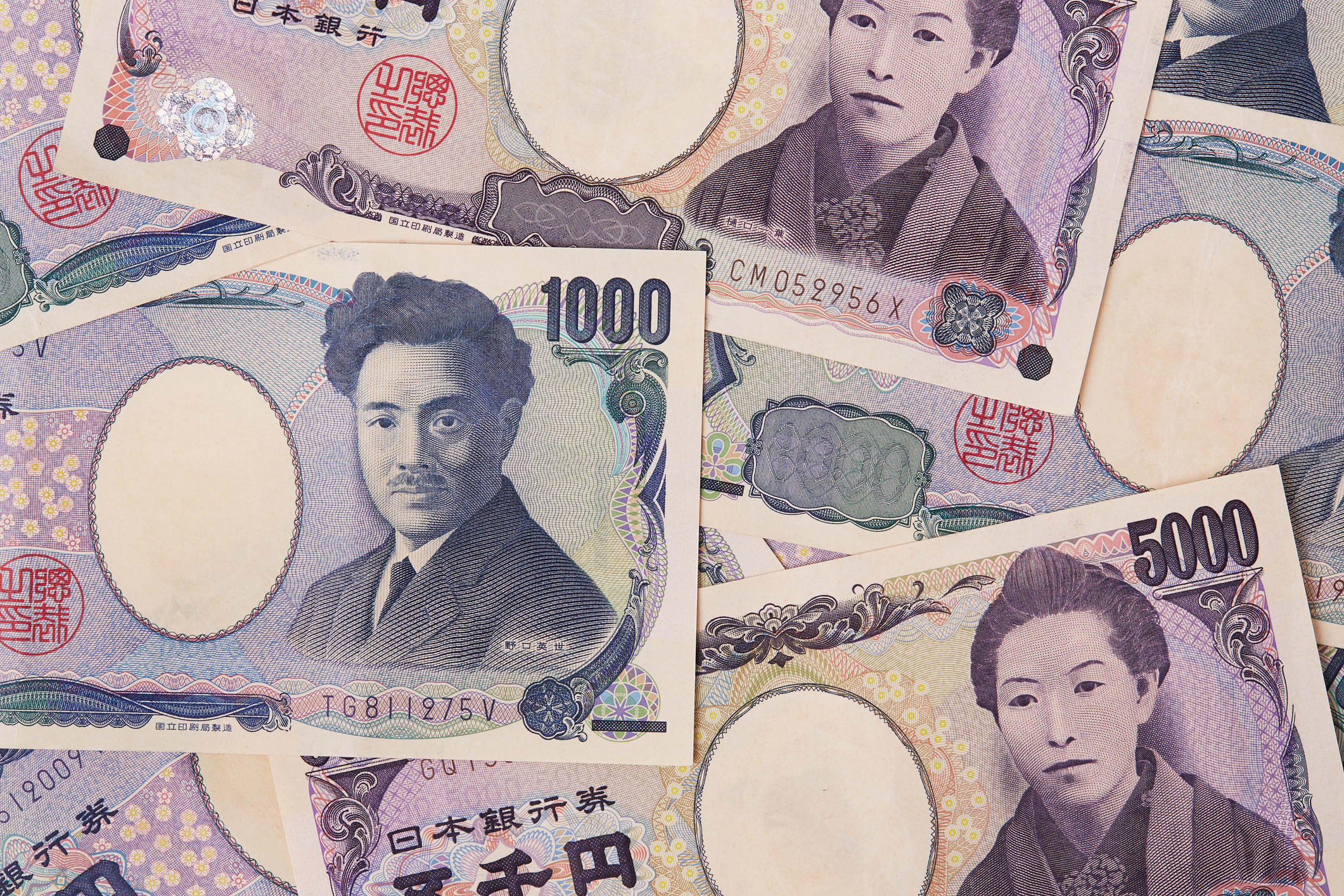
The Bank of Japan lifted its key policy rate by 25 basis points to 1% on 16 June 2026, the highest level since 1995, in a decision that is now rippling through the world's largest cryptocurrency markets. The move, reported by BBC News and CoinDesk, came in the early hours of the Asian trading day and was followed almost immediately by conflicting price calls from major crypto outlets on what the change would mean for risk assets.
Japan's slow exit from near-zero rates is no longer a domestic story. With the policy rate at a 31-year high and the yen a major funding currency for global carry trades, every adjustment forces a re-pricing of dollar liquidity and, by extension, the leveraged bets sitting on top of it. Bitcoin is the most visible asset on that chain.
What the Bank of Japan actually did
According to a CoinDesk report published at 04:30 UTC on 16 June 2026, the Bank of Japan raised its key interest rate by 25 basis points to 1%. BBC News, writing at 03:21 UTC the same day, described the move as taking the rate to its highest level since 1995, confirming the scale of the policy shift. The Bank has been raising rates from near-zero since 2024, a slow normalisation that markets have repeatedly tried to declare finished.
That the rate-setting decision landed on a Tuesday, in the middle of a US trading session rather than the customary Asian window, gave it a longer leash in global markets. Bitcoin's reaction, however, was anything but uniform.
Two crypto desks, two reads
By 10:29 UTC, CoinDesk was reporting a Bitcoin rally off the back of the rate increase, with Stellar's XLM, Injective's INJ and Uniswap's UNI ranked among the best performers among the 100 largest cryptocurrencies by market capitalisation. The framing: a hike that had been telegraphed was now in the rear-view mirror, the yen carry trade had not blown up, and risk assets could breathe.
Roughly two hours later, Cointelegraph ran the opposite read. Under the headline flagging a possible sell-off toward $60,000, the outlet pointed to Japan's highest rates since 1995 putting global liquidity back in focus, with traders anticipating 26%–38% declines in BTC. Both stories are describing the same decision, on the same day, against the same order book — and arriving at opposite portfolio conclusions.
This publication reads the split as a function of horizon. Shorter-term desks that had already positioned for a hawkish outcome treated the confirmation as a relief event. Longer-horizon desks, focused on what a structurally higher Japanese rate does to global dollar funding over the next two quarters, treated it as the start of a tightening cycle that has not yet finished.
Why Japan still moves the crypto tape
The structural argument is straightforward, and it does not require any jargon to make it. Japan ran near-zero rates for the better part of two decades. When domestic yields are pinned to the floor, Japanese investors — institutional and retail — have an incentive to borrow cheaply in yen and deploy that capital into higher-yielding assets abroad. Crypto, US tech, emerging-market debt and US Treasuries all benefit. When the Bank of Japan lifts its policy rate, that carry trade becomes less attractive, and at the margin, capital flows home.
The mechanism is not always visible in a single day's price action. It shows up in the cost of dollar funding, in the size of the futures basis, in the willingness of Japanese retail to add risk via domestic venues, and in the strength of the yen itself. A 1% policy rate is still historically low by any standard — but it is not zero, and the difference between 0.5% and 1% matters for the marginal yen that was funding a marginal trade.
The altcoin reaction on 16 June is consistent with that plumbing. XLM, INJ and UNI are not the names that lead a broad risk-on rally. They tend to lead on specific, identifiable catalysts. That Bitcoin rose, and the rest of the market followed unevenly, suggests the move was driven less by a sudden wave of enthusiasm than by the absence of the worst-case scenario — a hawkish surprise, or a disorderly move in yen crosses, that had been priced into derivatives markets in the days before the decision.
The $60,000 question
Cointelegraph's flagged downside target — a retest of $60,000 — is not a prediction but a scenario. The cited 26%–38% range implies a move from price levels implied by the same report. A drop of that magnitude would require not just a continuation of Bank of Japan tightening but a broader reassessment of global liquidity conditions: a stronger-than-expected US dollar, a credit event, or a recession in the world's largest economies. None of those are in the source material on 16 June.
The honest read is that the decision does not, by itself, hand either camp a victory. It removes one source of uncertainty. It introduces another.
What remains contested
The single largest source of disagreement among desks on 16 June is the question of whether the Bank of Japan is closer to the end of its hiking cycle or the middle of it. The source material does not contain a policy statement, a press conference, or forward guidance from the Bank — only the headline rate decision and contextual reporting that the institution has been raising rates from near-zero since 2024. That ambiguity is what allows the rally narrative and the sell-off narrative to coexist on the same day.
A second point the sources do not resolve: the size of the yen-funded carry that is currently positioned in crypto. Without data on Tokyo-margin balances, futures open interest in yen terms, or flows through Japanese exchanges, desks are inferring from price rather than measuring directly. That is consistent with how this market has always read central bank decisions — through the fog of derivatives, after the fact.
Stakes for the rest of the year
If the Bank of Japan pauses or signals that 1% is the terminal rate, the relief trade extends and the $60,000 scenario recedes. If the Bank signals further tightening, the liquidity argument reasserts itself and desks that have positioned for a clean exit from Japan's zero-rate era are likely to be repriced. The altcoin rotation visible on 16 June — XLM, INJ, UNI — is the kind of move that fades quickly in a tightening environment and accelerates in a dovish one.
For the rest of 2026, the operative question for crypto is no longer whether Japan raises rates. It has now done so to levels not seen in three decades. The question is whether the world's third-largest economy can normalise its policy without breaking the dollar-funded plumbing that global risk assets, including Bitcoin, have come to depend on. The next 25 basis points, whenever they come, will be harder to read than this one.
Desk note: Monexus led on the policy action and the divergence in crypto-desk reads, then translated the carry-trade mechanism into plain editorial prose. No named theorists; the structural frame is built from the source material itself.