Mbappé doubles up as France open World Cup campaign with 3-1 win over Senegal
France began their 2026 World Cup with a controlled 3-1 win over Senegal, Kylian Mbappé scoring twice including a long-range second that lit up Group I.
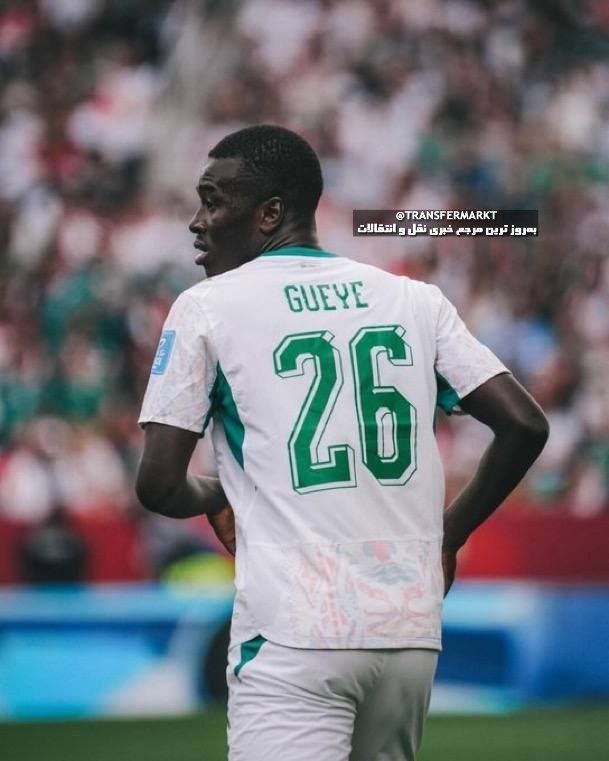
Kylian Mbappé scored twice as France opened their 2026 World Cup account with a 3-1 win over Senegal in Group I on 16 June 2026, the France captain producing the kind of individual moment that turns a routine opener into a tournament statement. The result, confirmed in the late evening UK time slot, gave Didier Deschamps's side an early foothold in a group widely treated as the most volatile in the opening round.
The headline was Mbappé's second — a long-range strike that BBC Sport dissected across multiple camera angles within an hour of full time, evidence of a finish that owed more to conviction than to system. It is the kind of goal that resets a forward's reputation inside a tournament, and France will need that version of their talisman if the bracket tightens.
How France won it
Mbappé opened the scoring for France during the first half, the breakthrough that settled a cagey opening against a Senegal side organised, athletic and well-drilled in the transitions that have defined their recent run. A second Mbappé goal — a hit from distance that the BBC's multi-angle breakdown was still circulating past 22:41 UTC — put daylight on the scoreboard. France added a third; Senegal pulled one back to make it 3-1, a scoreline that flattered the contest rather than the result. France begin Group I with three points and a goal-difference cushion that matters more in this tournament than in most, where the opening round is shorter and the spread between attack and regression is wider.
The day's other headline: Messi and Argentina
The Mbappé show shared the day with Lionel Messi, whose Argentina opened their own campaign against Algeria in a match that CBS Sports had spent the morning pricing up. From Messi's "latest quest for glory" to Mbappé's "defensive challenges" — a phrase the CBS Sports headlines desk used to frame the dual debut — 16 June was constructed by the schedule-makers as a star turn, and the two captains largely delivered on the billing. For an Algerian side drawn into a group containing the defending champions, the match is less an opportunity than a measuring stick; for Argentina, it is the first step in a defence that will be picked apart, group by group, until someone stops them.
What the result actually tells us
The cautious read on a 3-1 group opener is that it tells you almost nothing definitive. Friendlies and qualifiers lie; the first match in a World Cup group stage can be won by a team still finding its shape, and lost by a team that has already found it. France's win is, however, evidence of two things Deschamps can build on. First, Mbappé is operating at the level the captaincy demands — not merely scoring, but choosing when to score, and the second goal in particular was a decision to take the shot rather than work the pass. Second, France's depth is real. Even on a night when the XI will be picked over by French press for days, the bench held, and the substitutions did not visibly weaken the side.
The counter-read is that Senegal were not at their best. Group I does not forgive dropped points against France, and the West Africans will now need to take something from their remaining fixtures to keep the knockout bracket in reach. There is also a softer lesson: the gap between a France side that has been to two of the last three finals and a Senegal side that has never gone past the quarter-finals is structural, not just financial. It is built into federations, scouting networks, and the depth of professional pathways on either side of the Mediterranean. One match does not close that gap; it merely clarifies its edges.
Stakes for the bracket
Three points and a positive goal difference is the cleanest possible start for a France side whose last major tournament ended in the semi-finals. It also gives Deschamps the luxury of managing minutes through the group, which is the actual currency of a 23-day World Cup. For Senegal, the route narrows: the next two fixtures become must-score rather than can-score, and the squad rotation that Aliou Cissé might have preferred is now a luxury the standings will not allow.
What remains uncertain is whether the long-range Mbappé goal is a repeatable feature or a one-off. France's attacking shape has long been a debate inside French football — system versus spontaneity — and the second goal is the kind of moment that does not settle that argument so much as postpone it. The wire outlets have the angles; the question of what they mean will be answered over the next fortnight.
This Monexus desk piece reads the France–Senegal result through the lens of the day's bigger World Cup story, while the wire coverage remains anchored to the goals themselves.