Sorsby heads to NFL supplemental draft as Big 12 escalates legal fight with Texas Tech and the Texas Attorney General
Texas Tech quarterback Brendan Sorsby will declare for the NFL supplemental draft, opting out of a legal fight with the Big 12 that has drawn the Texas Attorney General into a college-sports gambling dispute.
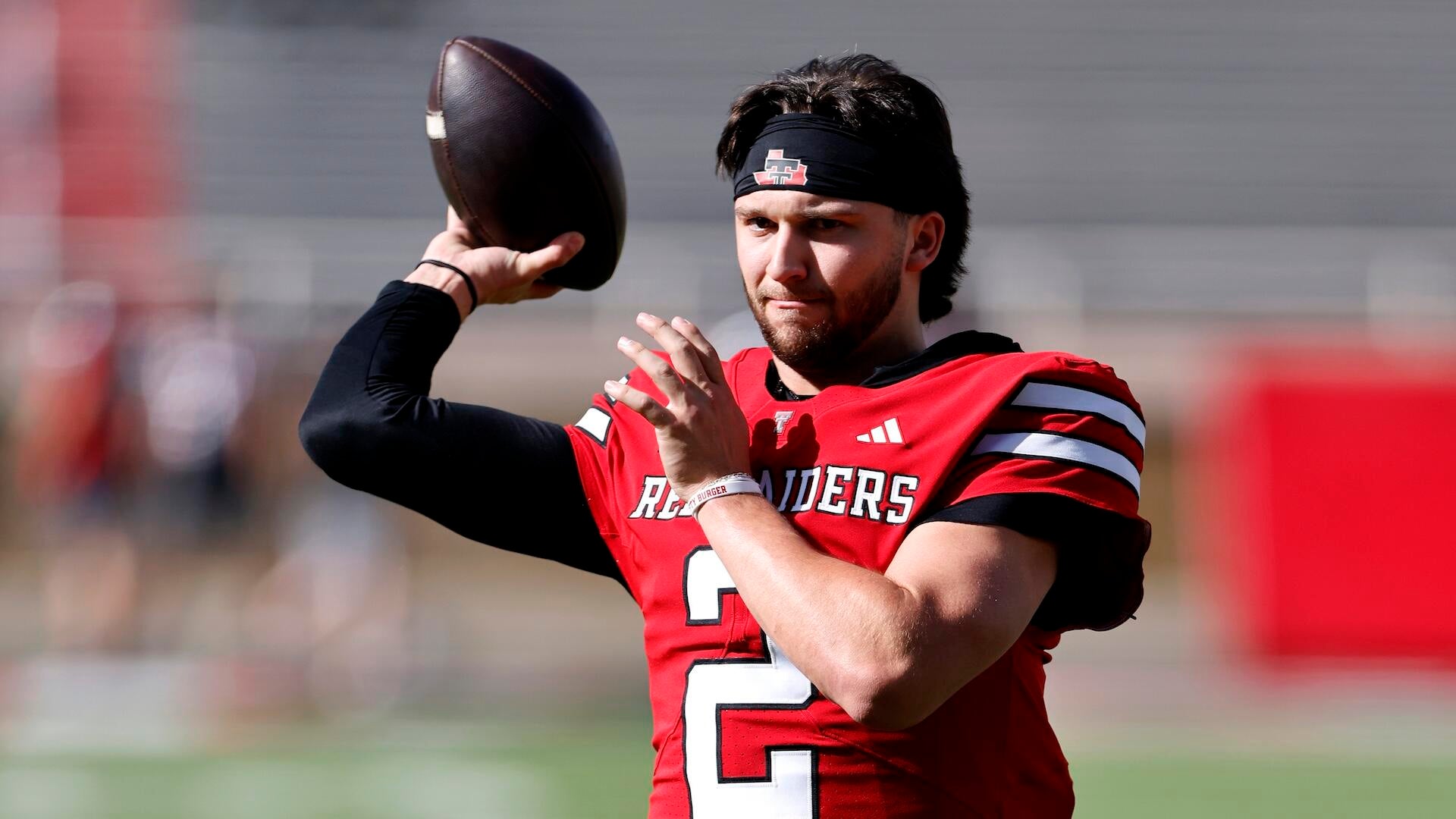
Brendan Sorsby is done arguing with the Big 12. On 16 June 2026, CBS Sports reported that the Texas Tech quarterback intends to declare for the NFL supplemental draft, walking away from an eligibility dispute that had already pulled the conference, the university, and the Texas Attorney General into open court. The move ends, for now, the public fight over whether a player who admits to betting on his own team can keep suiting up for that team — but the underlying legal questions are only just beginning to move.
The same dispute is bigger than one roster spot. It is a live test of how much authority a power conference can exercise over a member institution, how state-level officials can intervene in NCAA governance, and what happens when the sports-betting era collides with a rulebook written for an era when nobody could legally place a wager on a college game.
What Sorsby is walking away from
According to CBS Sports, Sorsby plans to file supplemental-draft paperwork rather than continue a court fight centred on his 2026 eligibility. The quarterback had previously secured an injunction allowing him to play in 2026 despite admitting to wagering on Texas Tech games — a fact the Big 12 has treated as a bylaw violation serious enough to pursue litigation against both the university and the office of the Texas Attorney General.
The Big 12's filing, reported on 15 June 2026, is not framed as a personal grievance against Sorsby. It is a request for the conference to confirm its own authority: that the league can enforce its sportsbook-related bylaws against a member school, even when a state court has temporarily sided with the player. In other words, the conference wants the legal record to settle whether its rules mean what they say.
Why the Texas Attorney General is involved
The unusual presence of a state Attorney General in a college-sports eligibility fight is itself part of the story. Texas's top legal officer has been drawn into a private dispute between a conference and one of its own members over rules that touch on consumer protection, gambling regulation, and the contractual relationship between a school and its athletic conference. The Big 12's filing asks the court to clarify whose interpretation of those rules prevails: the conference's, the state's, or the player's.
That layering matters. College athletics has spent three years adjusting to a post-NCAA-monopoly world in which athletes can be paid, transfer freely, and — in most states — legally bet on the games they once only watched. The rulemakers have not kept up. The Sorsby case is one of the first in which the gap between bylaw and courtroom has been forced open by a player who would rather leave for the NFL than keep litigating the right to keep playing college ball.
The structural frame: who governs the rulebook
The deeper pattern here is a slow transfer of authority away from the NCAA and its member conferences and toward state courts, state attorneys general, and a much more lawyered-up set of player-side representatives. For decades, the conferences governed themselves through private enforcement: a bylaw, a hearing, a punishment, and a compliance apparatus. That model assumed the rulemaker was also the final arbiter.
The post-2023 environment has broken that assumption. Players can sue. State regulators can intervene. The NFL is, in effect, holding the exit door open through the supplemental draft, which exists precisely for circumstances in which a player's college career ends outside the normal cycle. Sorsby's decision to take that exit is, in plain terms, a vote of no confidence in the conference's ability to settle its own dispute on a timeline that would let him play in 2026.
There is a counter-reading worth airing. The Big 12 may be right that its bylaws are the bylaws, and that a court injunction allowing a player who bet on his own team to keep competing undermines the integrity rule every other conference member is required to follow. If that argument prevails, the conference's standing to police its own competition will be reinforced, and the Sorsby case becomes a precedent for the league, not against it. The downside for the conference is that it loses the leverage it currently has over Texas Tech, and signals to other member schools that a well-timed state filing can stall conference discipline.
Stakes for the conference, the school, and the player
If the supplemental-draft filing is processed cleanly, Sorsby ends the dispute the only way a player can: by leaving. Texas Tech, meanwhile, is left to find a quarterback for 2026 without its starting passer and without the legal cover a final court ruling would have provided. The Big 12 gets a partial win — the rulebook is no longer being tested on Sorsby specifically — but the underlying question of conference authority over member institutions remains unsettled and will surface again the next time a player, school, and state line up against the league.
For the broader sport, the case sets the terms of the next fight. Conferences will continue to write rules. Players will continue to test them in court. And the supplemental draft, long a curiosity, becomes a routine release valve for disputes the rulebook cannot resolve in time.
What remains uncertain
The sources available to this publication do not specify which NFL teams have been in contact with Sorsby, whether the supplemental-draft filing has been formally submitted, or how the court intends to proceed now that the player is exiting the underlying dispute. The Big 12's litigation against Texas Tech and the Texas Attorney General is also still active, and a voluntary exit by the player is not the same as a court ruling on the conference's authority. The legal question that started the fight — whether the Big 12 can enforce a gambling-related bylaw against a member school over the objection of a state court — will be answered in a courtroom, not on a draft wire.
Desk note: Monexus framed this as a governance dispute with a personnel outcome, not as a gambling-morality story. The wires have led on the betting admission; the more durable story is the transfer of authority from private conferences to public courts.