Strait of Hormuz reopens to traffic as Iran deal enters credibility phase
HSBC projects a July normalisation of tanker traffic through the Strait of Hormuz. Tehran says the blockade is easing. The harder question is what Iran's leadership actually gets in return — and whether the US can enforce compliance.
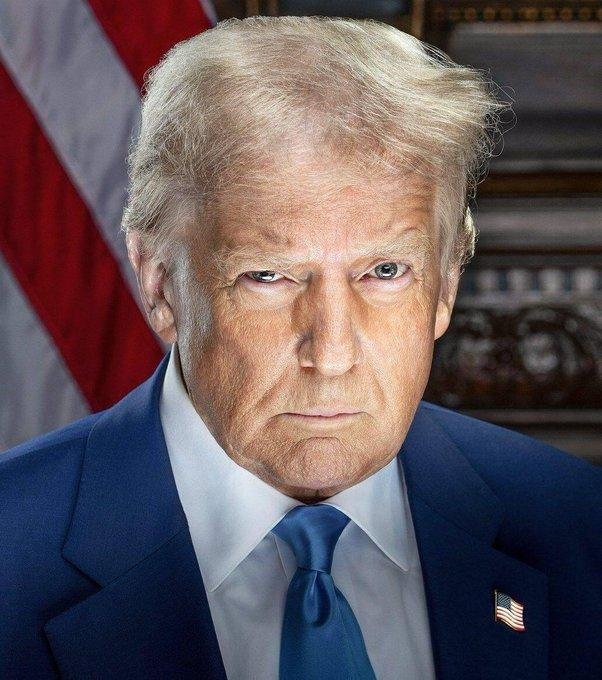
By 14:57 UTC on 16 June 2026, the financial calculus of the world's most important oil chokepoint had shifted. HSBC, cited via trader channel Unusual Whales, told clients it expects traffic through the Strait of Hormuz to normalise by July. Two hours earlier, Tehran had said the blockade of the strait is easing. By 14:21 UTC, Donald Trump had declared that the waterway "will be toll free when it reopens permanently." Taken together, the three signals amount to a working assumption in markets and chancelleries that the June crisis is unwinding on terms the United States can defend.
The question is whether Iran agrees — and, more pointedly, whether the deal that bought this calm actually delivers the prosperity it claims.
A chokepoint with an off-ramp
For roughly a month, tanker traffic through Hormuz has been operating under duress. Disruption to a corridor that, on a normal day, moves close to a fifth of seaborne crude is the kind of event that touches petrol stations in Karachi and Brent futures in London within hours. HSBC's projection that flows normalise by July is not yet a fact on the water; it is a tradable expectation built on three inputs. Tehran's own messaging — the easing language reported at 14:37 UTC on 16 June — provides diplomatic cover. The US signalling on tolls provides the political framing. And a normalisation window measured in weeks, not months, suggests underwriters are pricing in a settlement that holds.
The structure of that settlement is starting to leak out. Reports circulating through venture-and-startup channels on 16 June describe a deal in which Iran does not receive the headline figure of $300 billion in unconditional releases. According to Vice President JD Vance, the funds Iran would gain access to are conditional on a behavioural change in Tehran: a diplomatic arrangement in which money follows conduct, not the other way around. The Vance framing, repeated at 14:37 UTC via the Clash Report channel, is explicit: "If the Iranian people want greater prosperity, then their leadership has to step up and change their behavior."
The conditional-money read
The dominant Western framing, in other words, is that Tehran has been bought off the brink of a hot confrontation with promises of money it will only see if it behaves. Trump reinforced the coercive floor of the arrangement earlier in the day at 13:55 UTC, telling markets via Polymarket-summarised remarks that "all hell will rain down" if Iran moves toward a nuclear weapon. The structure is familiar: a combination of economic relief, diplomatic engagement, and a credible threat of force, with the relief ratchet turning only on verified compliance.
Iran's structural position, when stated plainly, is that the regime has been told to choose between isolation and reintegration. The country is in the second year of severe currency pressure, sanctions fatigue across the European buyers of its remaining crude exports, and a regional environment in which the rest of its forward-defence architecture — proxy entanglements, allied militias — has been significantly attrited. The cost of a continuing Hormuz disruption falls on Iran's own customers first: China, India, and the small set of refiners still willing to load Iranian barrels. A blockade Iran nominally runs is, in practice, a blockade of Iran's own export receipts.
The counter-read is that the Iranian leadership is being asked to surrender leverage in exchange for money that may never actually flow. Sanctions relief packages have a long history of being announced and not implemented, of funds being technically unfrozen but practically unreachable, of compliance demands shifting as the political weather in Washington changes. The harder, more honest framing is that Tehran is taking a calculable near-term cost — partial reintegration into the dollar system, partial access to oil revenues held abroad — in exchange for survival of the regime, and gambling that the United States will not reverse course after a Democratic administration takes office.
What is actually being traded
The numbers in circulation matter. The $300 billion figure attached to the deal in initial reporting is, by Vance's own characterisation, the wrong way to read the arrangement. The deal is structured around tranches, not lump sums, and around conduct clauses that allow the United States to slow or stop disbursement. This is a deliberate inversion of the framing that produced the 2015 Joint Comprehensive Plan of Action, in which Iran received a known quantity of relief up front and the verification regime kicked in afterwards. The 2026 architecture, at least as described by the US side, is relief-as-bait, not relief-as-purchase.
The oil market is responding to the operational layer, not the financial architecture. HSBC's July normalisation call is the kind of note that lets tanker charterers begin to bring idled tonnage back into the Gulf, lets refiners re-tender cargoes that had been diverted around the Cape of Good Hope, and lets underwriters lower war-risk premia on hulls transiting Hormuz. None of that requires the financial substance of the Iran deal to be settled. It only requires the expectation that the waterway will be open, and that a US administration will keep it open even at the cost of a continued military posture in the Gulf.
Stakes, and what remains contested
The plausible outcome over the next quarter is a return to roughly the pre-crisis baseline: Hormuz open, Iranian crude exports ticking upward under tight monitoring, and a managed level of tension that allows the US to claim a deal and Iran to claim relief. The downside is that the compliance clauses become the next flashpoint. Any Iranian move that Washington reads as drift — uranium enrichment above a declared ceiling, support for a regional proxy, an IRGC action in Iraq or Syria — gives the US an off-ramp from the deal without the cost of a new negotiation. The deal's value to Tehran is therefore in its predictability; the deal's value to Washington is in its optionality.
The thing the public sources do not yet settle is the question of who actually holds the leverage at moments of friction. The Western read is that Iran is the side with no good alternative — the regime needs the relief more than the US needs the deal. The Iranian read, when it surfaces, is that the United States cannot afford a Hormuz crisis heading into an election year, cannot hold a permanent forward naval posture in the Gulf without a regional partner, and cannot impose a blockade of Iranian crude without driving global oil prices into a range that is itself politically toxic. The market data is consistent with a partial truth on both sides: HSBC's July call says the de-escalation is real, but the conditional-money structure Vance describes says the de-escalation is also reversible. The Strait of Hormuz will not be toll free in the way Trump described for long, if the conditions on which the deal rests are not met.
Desk note: The wire on this story moved fast and narrow on 16 June — three short signals in roughly two hours, plus the Vance characterisations circulating through the venture-channel aggregators. Monexus has read the deal through the conditional-money frame the US side is actually using, rather than the $300 billion headline that dominated earlier coverage, and flagged the structural inversion against the 2015 arrangement.
Wire provenance
This editorial synthesis draws on the following public wire/social posts:
- https://t.me/AngelList
- https://t.me/producthunt
- https://t.me/ClashReport