Yum unloads Pizza Hut for $2.7bn as BOJ tightens to a 30-year high
Yum Brands sells Pizza Hut to a buyer consortium for $2.7bn, the same morning the Bank of Japan lifts its benchmark rate to 1% — the highest in three decades. Two very different bets on the same volatile year.
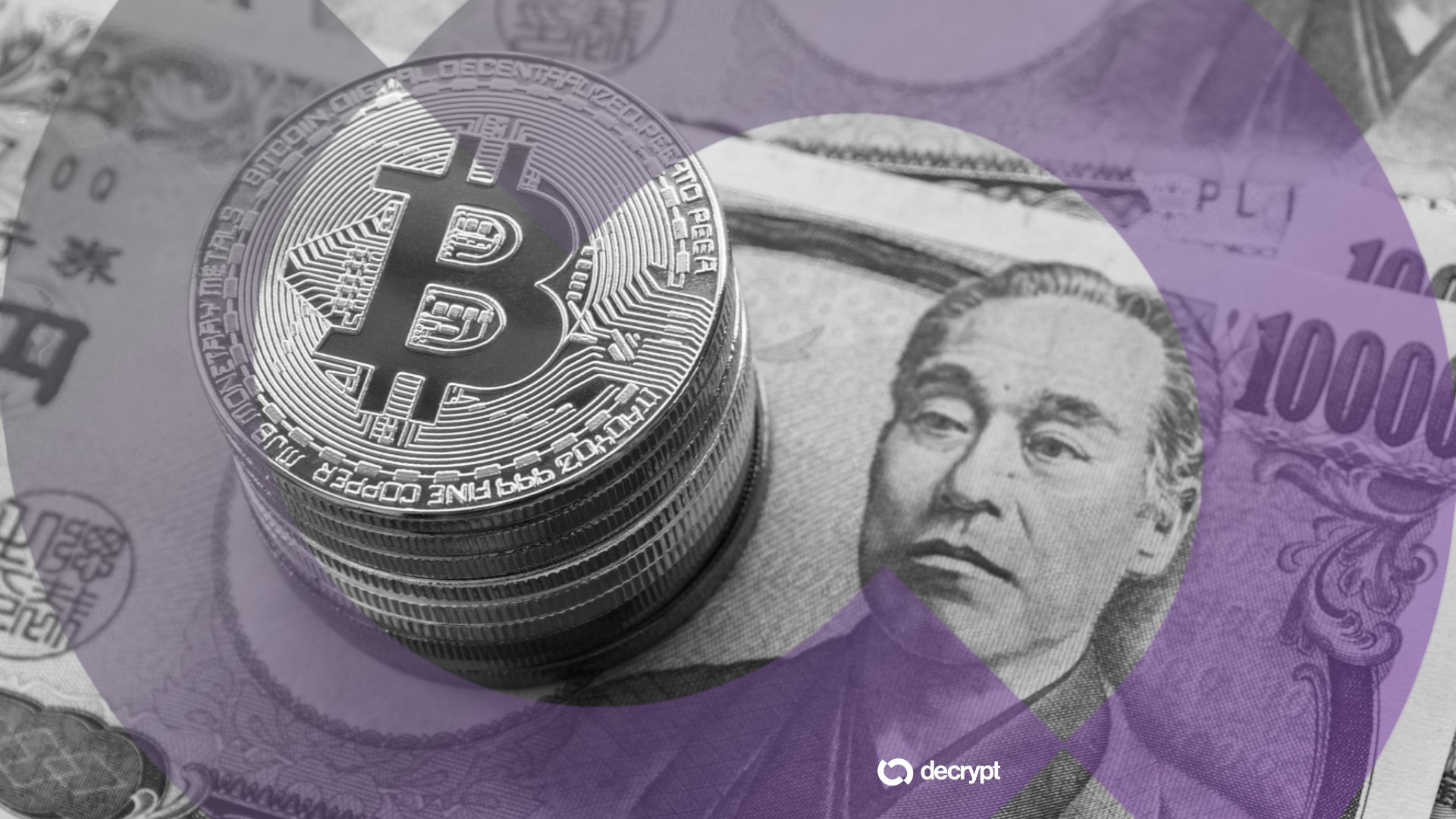
Yum Brands announced on 16 June 2026 that it has signed definitive agreements to sell the Pizza Hut brand and business for roughly $2.7 billion, offloading a 67-year-old global chain that has spent the last several quarters losing share inside a brutally crowded pizza category. Hours later, on the other side of the Pacific, the Bank of Japan pushed its benchmark policy rate to 1% — its highest level since 1995 — completing a tightening cycle that has reshaped yen-funded carry trades and the cost of capital for any global brand operating in Asia.
The two stories are not formally linked. Together they sketch a portrait of a multinational consumer economy that is simultaneously shedding legacy assets and repricing the currency in which they were once bought.
A $2.7bn exit from a saturated category
Yum's frame for the deal is straightforward: Pizza Hut has been the slowest-growing part of a portfolio that still includes KFC and Taco Bell, and the company is choosing to redeploy capital toward formats with sharper unit economics. LiveMint, reporting on the announcement on 16 June, framed the divestment as a response to "intense competition" in the global fast-food and pizza market — language that captures both the rise of aggressive digital-first delivery operators and the steady erosion of dine-in traffic that defined the brand for half a century.
Pizza Hut, founded in 1958 in Wichita, Kansas, had become the awkward middle child of the Yum portfolio. KFC retains pricing power in many emerging Asian markets; Taco Bell has been the engine of same-store sales growth in the United States. Pizza Hut, by contrast, has been fighting for relevance against a long list of competitors — from Domino's data-driven loyalty model to regional players and grocery-store deli pizzas — and the gap between the chain's best and worst markets has widened. The $2.7 billion price tag, while headline-grabbing, reflects the gap between Pizza Hut's brand recognition and its actual operating margin.
The buyer is not yet named in the publicly circulated wire copy; the press release disclosed only that Yum has entered "definitive agreements" with a counterparty, leaving open the question of whether the acquirer is a private-equity consortium, a strategic operator from a faster-growing Asian pizza market, or a sovereign-backed vehicle. The disclosure pattern is consistent with a deal that has not yet cleared antitrust review in the chain's largest markets.
For Yum shareholders, the argument is that the multiple being paid for Pizza Hut is materially above what the public market would value the chain at inside the conglomerate, even before any operating turnaround is layered in. That is a defensible read. The harder argument — and the one that will surface in the next quarterly call — is whether the company is selling at the bottom, or whether Pizza Hut's brand can be revived under an operator whose cost of capital is lower than a US-listed parent's.
The yen moves, the world listens
At 03:31 UTC on 16 June, the Bank of Japan announced a quarter-point hike that took its policy rate to 1%, the highest level since 1995. The decision completes a multi-year normalisation cycle that began in 2024, when the BOJ first walked rates away from the negative territory it had occupied for most of the post-Abenomics era.
For most of the 2010s, the BOJ's policy stance was effectively a global subsidy: ultra-cheap yen funding flowed out of Tokyo into higher-yielding assets from US Treasuries to EM debt to the structured products behind leveraged buyouts. The carry trade built on that cheap yen has been a quiet but powerful force in global asset prices. Its unwinding, in stages, has been visible in episodes of yen-driven volatility in 2024 and 2025. A policy rate at 1% does not, by itself, end that dynamic — Japan still has the lowest policy rate of any G7 central bank. But it does raise the marginal cost of borrowing in yen, and it tightens the corridor in which global capital allocators have to think about Japan.
For Yum specifically, the BOJ move is more than a backdrop. Pizza Hut Japan has historically been one of the brand's most important international markets, and the chain's franchise economics inside Japan have been sensitive to the cost of store financing and to the yen/dollar conversion of royalties remitted to the US parent. A stronger yen helps the consumer-facing unit; a higher policy rate helps any balance sheet funded locally. The two effects cut in opposite directions, and a buyer is going to be pricing the cross-currents into whatever it pays.
What the wires are not yet saying
There is a gap between the headline of the deal and the substance. The publicly circulated reporting on 16 June identifies the price ($2.7bn) and the fact of "definitive agreements," but does not name the buyer, the financing structure, or the regulatory timeline. That is a normal sequence — antitrust filings in the US, EU, China, Japan, and India can take six to twelve months — but it leaves the strategic question open: is this a financial buyer buying a turnaround, or a strategic buyer locking up a category position?
On the BOJ side, the rate decision itself is unambiguous, but the forward guidance is the part that matters. The bank's commentary on whether this is the terminal move in the current cycle, or the second-to-last step, will determine the speed at which yen-funded leverage unwinds through the rest of 2026. The wires are unanimous on the action; they are silent on the path.
The same is true for currency. A 1% policy rate, combined with the Federal Reserve's still-cautious easing posture, narrows the rate differential that has defined the dollar-yen pair for years. Whether the narrowing produces a stronger yen, weaker dollar, or simply less volatility in both will depend on flows that policy cannot directly control.
Stakes
For Yum, the stakes are not existential; the company retains KFC and Taco Bell, both of which are in materially better operating shape. The stakes are about capital allocation: is the Pizza Hut exit the kind of value-creating divestiture that the board will be congratulated for in two years, or the kind of premature sale that closes a chapter the chain could have written differently under a more focused operator?
For Japanese policy, the stakes are more diffuse. A 1% policy rate is not tight by historical standards, but it is the tightest Japan has been in a generation. The BOJ is balancing a domestic wage-price cycle that finally looks sustainable against a global environment in which the cost of being the outlier is rising. The next move will be the one markets remember.
What remains genuinely uncertain, on the evidence available today, is the identity of the Pizza Hut buyer and the BOJ's tolerance for further tightening if the yen weakens again. Both questions will be answered inside the next quarter.
— Monexus framed this as two stories in one frame: a legacy-brand exit in a saturated category, and a generational policy normalisation in the currency that priced the original global build-out. The wires reported both events cleanly; the structural point sits between them.