England’s forward depth papers over defensive questions in Dallas draw
England's forward depth delivered a draw in Dallas, but the defensive structure behind the goals remains the unresolved question two months before the tournament begins.
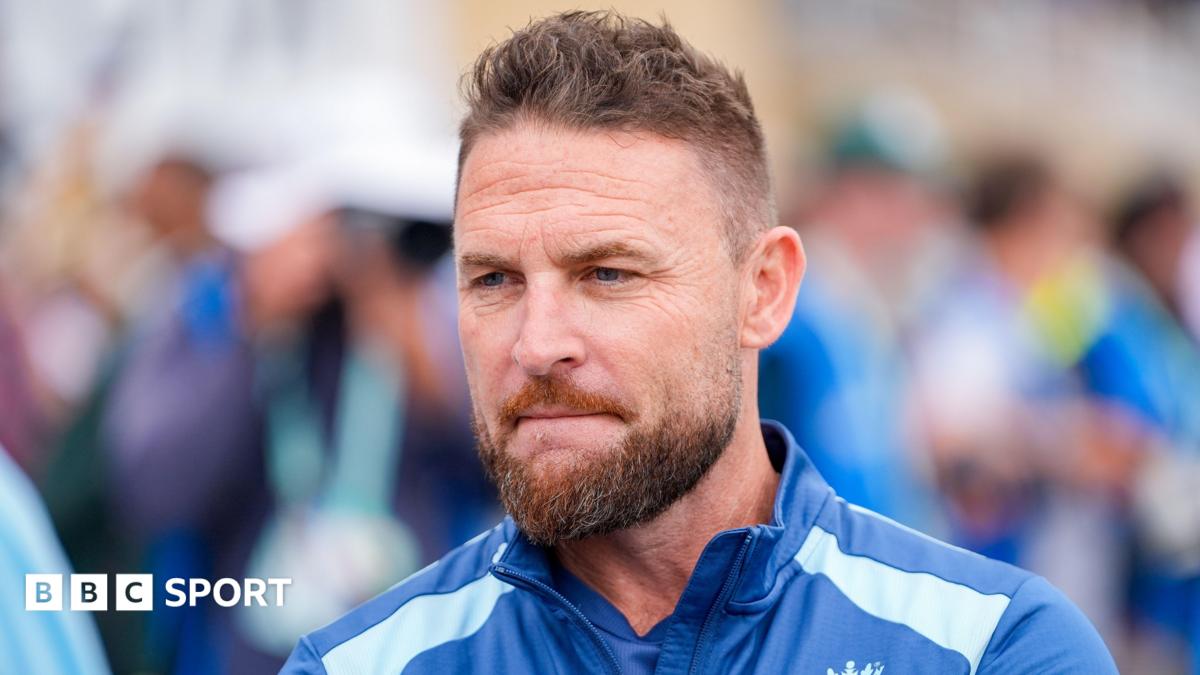
Dallas, 17 June 2026. Thomas Tuchel named an attacking XI for the second group-stage outing of England's pre-tournament programme and watched his side labour to a draw that flattered the scoreline. The headline across the wire since Tuesday has been about the forward line; the more instructive photograph, for anyone prepared to look past the goal-mouth, is the one taken at the other end of the pitch.
England are deep enough at the top of the pitch to absorb a flat performance and still leave Texas with a point. The back line, reconstituted twice in four months by injury and club politics, remains a work in progress. The question is no longer whether Tuchel can find a centre-forward he trusts. It is whether the defensive structure in front of him can be trusted in two months' time, against opposition that will not be so obliging.
A squad built from the front
Tuchel's attacking pool is, by any modern measure, a problem of abundance. The manager can rotate between established Premier League goalscorers and emerging Bundesliga talent without the curve dipping at all. Against a CONCACAF side in Arlington the XI still carried enough threat to drag a goal out of a disjointed afternoon, and the bench offered the kind of forward options that most international coaches would frame as a luxury.
That depth changes how England set up. The team is increasingly selected backwards from the attacking third, with the back five constructed around the assumption that pressure will be applied high and possession will be recovered quickly. When the press works, the defence barely features. When it does not, the same defenders are suddenly exposed to channels that international defenders of this calibre should not be conceding.
The defence is the conversation now
In Dallas the press worked in patches. Between those patches, the centre-backs were given the kind of invitations that, against a side ranked in the world's top twenty, become goals. The full-backs were caught high once in each half in transitions that began with a lost midfield duel and ended with a cross that should not have arrived.
The personnel is unsettled for reasons that have nothing to do with form. Club moves, injuries sustained in the run-in, and a long European season have left Tuchel cycling through combinations that have not had the minutes together that his attacking players have had for years. The wire in the past ten days has been dominated by goals and ratings wins for ITV over the BBC in the World Cup's opening week, with England's opening fixture against Croatia delivering the year's highest UK TV figures. The product sells itself. The product is also being asked to mask structural questions further back.
What the wire is not yet saying
Most of the coverage since Tuesday has treated the draw as a non-event, a footnote between the goals scored and the goals about to be scored. That is fair in the sense that the result did not move any table. It is misleading in the sense that the defensive shape on display was a continuation of a pattern visible in the previous window, and one that the manager will have to address before the tournament proper.
The broadcasters know this. ITV's win in the opening-week ratings battle, with the Croatia fixture pulling the year's biggest UK audience, was won on the back of attacking football that the network's promotional schedule has spent months selling. The same audience will not tolerate the kind of concession that the Arlington performance flirted with, not against the bracket England are likely to meet after the group stage.
Depth is not a substitute for shape
Forward depth papers over defensive questions in the same way that squad rotation papers over a missing number six: temporarily, and at a cost that compounds. Tuchel has the players to outscore most opposition in this tournament. The open question, two months out, is whether the defensive structure can hold long enough for that depth to matter.
The next fixture, against a stronger opponent in a more demanding venue, will be the first proper test. If the back line performs there, the Dallas draw becomes a curiosity. If it does not, the squad selection headlines write themselves the other way.
Desk note: Monexus frames this as a structural question about squad selection, not as a referendum on Tuchel. The wire line has been largely about the goals; this publication is interested in the shape that produces them.
Sources
- ITV wins World Cup ratings battle with BBC in tournament's first week, ITV News, 19 June 2026. itv.com
- Gary O'Neil set to leave Strasbourg and take over as Ipswich head coach, The Guardian, 19 June 2026. theguardian.com
- 'Play straight, be great' - Why England must play for draw - Analysis, BBC Sport, 19 June 2026. bbc.com/sport
- Rew feels brunt of Archer's ire after brute of a week for England rookie, The Independent, 19 June 2026. independent.co.uk
- NFL minicamp overreactions: Chargers WR ready for a breakout?, CBS Sports, 19 June 2026. cbssports.com
- Royal Ascot 2026: Venetian Sun shines in Commonwealth Cup, The Guardian, 19 June 2026. theguardian.com
- Football Daily: which World Cup co-host can boast the most?, The Guardian, 19 June 2026. theguardian.com