Messi's 200th cap spoiled: Argentina's draw with Algeria after disallowed goal
Lionel Messi reached 200 Argentina caps in a World Cup 2026 group-stage fixture against Algeria, only for a goal to be chalked off for offside in a match that ended level.
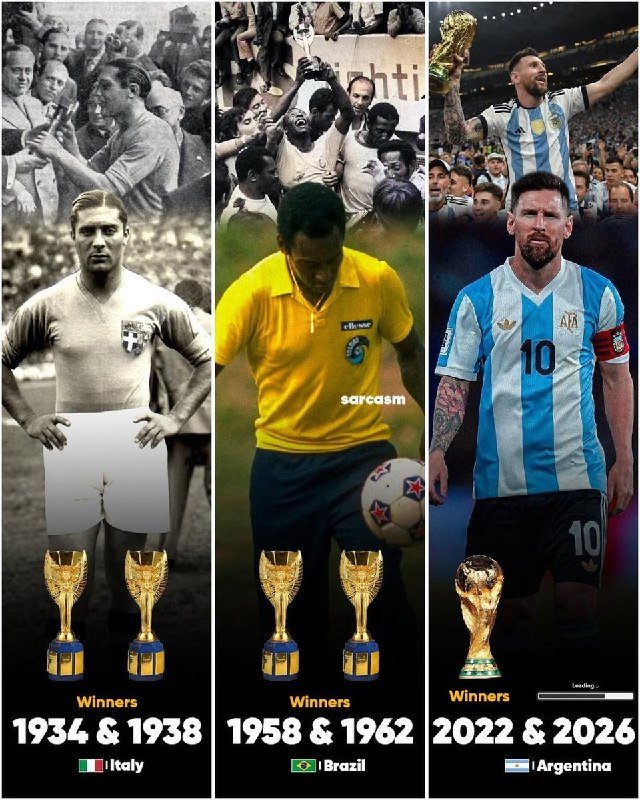
Lionel Messi walked out at the King Fahd International Stadium on Tuesday evening (UTC: 17 June 2026, kick-off scheduled for 01:30 UTC) needing only the appearance itself to confirm a milestone that had been telegraphed for weeks: his 200th senior cap for Argentina. The occasion was a Group-stage fixture against Algeria at the 2026 FIFA World Cup, broadcast in Iran on Channel 3 from 04:30 local time, and the scriptwriters had one beat in particular to honour. Iranian state-affiliated outlet Tasnim News reported shortly after kick-off that Messi had the ball in the net, only for the assistant referee's flag to cut the moment short. The score remained goalless, and Argentina's tournament opener drifted towards a draw.
For all the framing around Messi as an ageing superstar, the milestone itself is the headline: 200 senior international appearances is a number that no South American outfield player has approached in the modern era. Argentina's football association had framed the build-up around continuity rather than valediction. The Algerian FA, qualifying for a fifth World Cup and returning to the competition for the first time since 2014, framed it as a measurement of where its own project stood. The match itself delivered a tidy illustration of both.
A milestone without a flourish
The Indian Express's live ticker had flagged the occasion well before kick-off, noting that the fixture marked Messi's 200th appearance for the national team. That framing is consistent with how La Albiceleste have used the tournament cycle: the 2022 World Cup triumph in Qatar closed one chapter, and the 2026 edition has been framed as a transitional campaign in which the 38-year-old's minutes will be carefully rationed. Disallowing a goal — rather than scoring one — on his 200th cap makes the milestone look, for now, more procedural than poetic.
Algeria's measurement stick
Algeria arrived at the tournament having ended a 12-year World Cup drought and with a coach, Vladimir Petković, who has spent two years converting a generation of players who came up through French academies into a coherent defensive unit. The group draw paired the Fennecs with the holders, a Brazil side still working through post-tournament transition, and a European qualifier widely tipped to finish third — a manageable path on paper. Holding Argentina to a draw in the opener, even an unspectacular one, would represent the kind of result that buys belief in the camp and bargaining power inside the dressing room. There is no Algerian source in the available reporting on which to draw for tactical detail, and the limited wire coverage of the fixture itself leaves plenty of room for rumour to outrun evidence.
What the sources actually show
Two strands of reporting bracket the match. The first is Tasnim News, an Iranian state-affiliated outlet whose sports desk carried both a pre-match broadcast promotion and the disallowed-goal update; the coverage is short, image-led and does not specify the assistant referee, the minute of the incident, or the half-time score. The second is The Indian Express's live blog, which gave the match its procedural framing — "Messi to play 200th game for Argentina today" — and ran the score via an automated ticker. Neither source carries minute-by-minute detail, neither names the officials, and neither cites the Argentine or Algerian football associations directly. The disallowed-goal fact is the only specific in-game event the available reporting verifies.
What remains uncertain
Three things the available wires do not establish. First, the final score at full time: the disallowed-goal post ran in the early minutes of the second half by its timestamps, and no later dispatch in the thread updates the result. Second, the broader group picture: a draw would leave Argentina needing at least a win in their second match to avoid the bracket of conditional qualification that bit France in 2022, but the magnitude of that pressure depends on results elsewhere in Group I. Third, Messi's role beyond the cap itself — whether he played the full 90, was substituted, or started on the bench and entered late — is not specified in any source reviewed. Reporting that fills in those blanks will arrive from the wider wires overnight.
The structural story here is mundane but durable. Argentina's project, on and off the pitch, has been built for the last decade around maximising whatever version of Messi is available on a given matchday. Reaching 200 caps is itself evidence that the model has held longer than almost any comparable career in the sport's history. Algeria's project, conversely, is a generation younger and was built for moments exactly like this one: a fixture in which a draw against the holders is worth more than its place in the points table. Whether Tuesday's result counts as proof of either depends on the three group games that follow it.
Wire provenance
This editorial synthesis draws on the following public wire/social posts:
- https://t.me/tasnimnews_en/
- https://t.me/tasnimnews_en/
- https://en.wikipedia.org/wiki/Algeria_at_the_FIFA_World_Cup