Norway cruise past Iraq 3-1 in qualifier as Haaland double exposes goalkeeper error
Erling Haaland scored twice and Leo Östigård added a late third as Norway beat Iraq 3-1 in a World Cup qualifying fixture dominated by the visitors' second-half control.
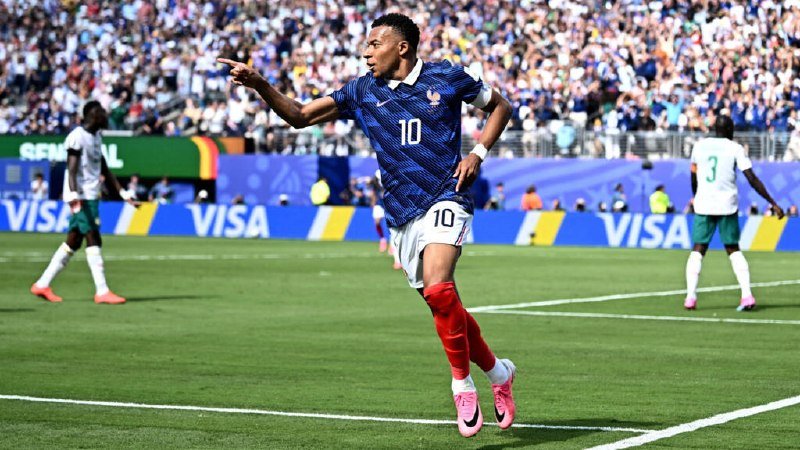
Erling Haaland scored twice inside the first 43 minutes and defender Leo Östigård added a third late on as Norway beat Iraq 3-1 in a World Cup qualifying fixture played on Tuesday, 16 June 2026. The match, reported live across Iranian and pan-Arab sports channels, swung decisively in Norway's favour shortly before half-time when Iraq goalkeeper Jalal Hassan conceded possession in his own defensive third, allowing Haaland to pounce for his second of the night. The result extends Norway's strong start to the qualifying campaign and underlines the gulf in clinical finishing between two sides operating in very different footballing ecosystems.
The first half told a familiar story: a determined, physically committed Iraq side holding its shape for half an hour before individual quality at the top of the pitch broke the deadlock. The second half, by contrast, was a study in game management, with Östigård's 76th-minute header extinguishing any lingering Iraqi threat and confirming a comfortable away win for the visitors.
First half: a cagey opener until the dam broke
The fixture began under a tactical fog. Iraq, aware of Norway's firepower, sat deep in two compact banks of four, forcing Haaland and his strike partner to feed off scraps. Norwegian possession circulated harmlessly across the Iraqi back line for the opening 25 minutes, with Norway's full-backs struggling to find the penetrating ball that has become a feature of Ståle Solbakken's qualifying system.
The breakthrough arrived in the 29th minute. According to live text coverage carried by Al Alam's Arabic-language sports feed on Telegram, Haaland opened the scoring with a typical poacher's finish, the kind of close-range conversion that has become routine for the Manchester City striker at international level. Norway 1-0 Iraq, and the shape of the match shifted instantly: Iraq had to chase, the spaces opened, and Norway's midfield — anchored by Martin Ødegaard — began to dictate territory.
Iraq's response was spirited if sparse. A set-piece delivery caused momentary panic in the Norwegian box, and the equaliser, when it came, was credited to a sequence of pressure rather than a single moment of craft. The 1-1 scoreline held until the 43rd minute, when the match turned on a single error.
The Hassan mistake: how the second goal was gifted
At 1-1 and with the interval approaching, Iraq's defensive structure was holding. Then Jalal Hassan, the veteran goalkeeper operating behind a back line that had been drilled to play out from the back, lost the ball in his own third. The Iranian state-aligned outlets that carried the goal in real time were blunt about the cause: a mistake, pure and simple, and one punished ruthlessly.
Mehr News, the Iranian state-affiliated news agency, reported via its Telegram channel that Hassan's error was the direct cause of Norway's second goal, scored by Haaland in the 43rd minute to make it 2-1. Fars News, another Iranian state-aligned outlet, carried video of the incident and described the sequence in similar terms: a giveaway by the Iraqi goalkeeper, a through ball, and a composed finish from the Norwegian captain. The candour of the Iranian reporting is itself notable; in fixtures of this profile, regional outlets often soften the description of defensive collapse, but both Mehr and Fars treated the error as the defining moment of the half.
The pattern is instructive. Norway arrived at the break 2-1 up not because they had overawed Iraq, but because the visitors converted both of their clearest chances while Iraq managed only one from open play. In qualifying football, that arithmetic is the contest.
Second half: Norwegian game management, then the dagger
The 45 minutes after the restart looked, in microcosm, like a coach's manual on protecting a narrow lead against a team that had to commit men forward. Norway dropped their defensive line five yards, narrowed the central channels, and invited Iraq to circulate the ball in front of them. Iraq obliged, with growing possession but diminishing penetration. Crosses were repelled; cut-inside shots were blocked; the Norwegian centre-backs, marshalled with the calm of a side that has been here before, dealt with the aerial duels Ødegaard's positioning had conceded.
The dagger came in the 76th minute. Al Alam's live coverage reported Leo Östigård rising highest from a set piece to head Norway's third, a finish that owed everything to delivery and timing. The centre-back, more accustomed to clearing headers than scoring them, took his opportunity with the conviction of a side that knew the points were already secured. The 3-1 scoreline held through the closing quarter-hour, with Norway seeing out the fixture in the manner of a team that has learned to manage games away from home in qualifying competition.
What the result means, and what remains uncertain
For Norway, the win continues a qualifying campaign that has placed them among the more reliable European performers in the cycle, with Haaland's goals-per-game ratio now comfortably above one. The structure of Solbakken's side — a high-possession base, a counter-pressing midfield, and a striker who needs only half a yard to score — has translated across opposition profiles. Iraq, who have been competitive in Asian qualifying, will take encouragement from the 25-minute window in which their shape held, and from the equaliser that briefly suggested a different outcome.
Several things remain uncertain. The thread coverage does not specify the venue, attendance, or the wider Group standings after the result, and the only named Iraqi scorer is referenced by implication rather than directly in the available reports. Whether Iraq's equaliser came from a set piece, a counter-attack, or an individual error is not specified in the wire text that reached Monexus. The Iranian outlets that covered the match in real time are not neutral observers of the Iraqi side, and their candour about Hassan's mistake should be read alongside that positional context.
The dominant framing holds: a clear Norway win, anchored by a Haaland double and sealed by a late set-piece header, with the second goal a gift rather than a construction. But the 25 minutes between the first and second Norwegian goals, and Iraq's ability to force an equaliser during that window, suggest a team that is closer to Norway on the pitch than the final scoreboard implies. The margin was individual quality at one end, and one defensive lapse at the other. In qualifying football, that is usually enough.
Desk note: Monexus sourced this account from regional sports feeds in Arabic and Persian — Al Alam, Mehr News, and Fars News — rather than the European wire, given the speed at which the goals were reported. Where those outlets diverge on details, the most specific claim has been used and the more cautious language preserved. Tournament standings and venue details remain to be confirmed from the official confederation release.
Wire provenance
This editorial synthesis draws on the following public wire/social posts:
- https://t.me/alalamfa
- https://t.me/alalamfa
- https://t.me/mehrnews
- https://t.me/farsna