'Made-up words' and MoUs: parsing Trump's Iran-deal theatre
A memorandum of understanding is whatever the speaker needs it to be: Congress-proof for the White House, a rebuke to Netanyahu, a victory lap for Tehran, and a probable target for Israeli action, all on the same page.
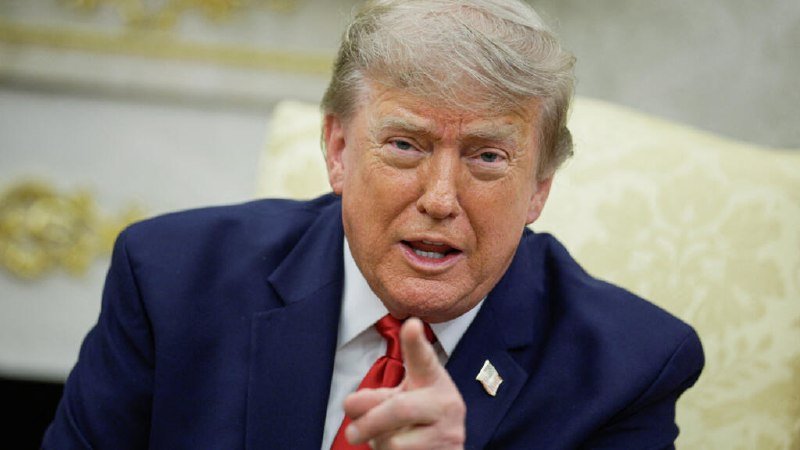
On 17 June 2026, the White House styled its Iran arrangement as a "memorandum of understanding." By Friday evening in Geneva, that label was doing a lot of work it had not been asked to do. US envoy Steve Witkoff was on his way to Switzerland, Jared Kushner was already there, and Iran's deputy foreign minister told Al Jazeera English his government was "ready to move forward", language chosen, in part, to match Washington's, even as Iranian state outlets framed the moment as a rebuff to Trump's stated ambition of "reassert[ing] American global dominance." The MoU was already being read by four different audiences, none of them using the same dictionary.
The substance behind the wordplay is thinner than the rhetoric. In his Axios interview, Trump described the Iran conflict as a lesson in his own reach, telling the outlet there are "no limits to his power" and elevating the memorandum above routine diplomatic hygiene as a result. PressTV, faithfully relaying a Russian analyst, counter-claimed Iran had "thwarted" that very attempt at reassertion. Both characterisations cannot be true, and the answer to which is closer matters more than the vocabulary fight.
The MoU is not a treaty. That distinction is the entire ballgame. Al Jazeera English flagged on Friday that a 2015 law requiring congressional approval for any Iran nuclear deal has resurfaced as the central legal question: does the president have to submit the memorandum to Congress? The administration's implied answer, signalled by Trump's repeated insistence on the MoU label and his flat statement "we are not investing," is no, the document carries no statutory trigger because it does not bind future administrations, and that is precisely the feature, not a bug. A vice president openly disagrees with the Israeli prime minister on the details of ending the war, as JD Vance did in remarks carried by Tasnim, and the mechanism that lets Washington hold those disagreements quietly is the document's informal status.
Israeli criticism cuts the other way. An Israeli newspaper owned by Trump's mega-donor Miriam Adelson accused the president, in a front-page treatment reported via @sprinterpress, of having "gravely harmed" Israel. Former prime minister Naftali Bennett, quoted via Clash Report, called the country's international standing "shocking" and pointed the finger at government ministers and what he called Ben Gvir's "repeated stunts." And US intelligence has, according to a Washington Post report relayed by @osintlive on the Spectator Index feed, formally warned the administration that Israel is "likely to undermine" any peace deal. That is not background colour. It is a documented assessment that the principal US ally on Iran may act against a US-brokered arrangement the White House is now selling as a win.
The made-up word, then, is exactly the word on the page. A memorandum of understanding, in Trump's usage, is the legal shape you build when you want the politics of an agreement without the architecture of one. No Senate fight, no treaty-clock, no enforceable Israeli access on the uranium track. "Made-up words", to borrow the spirit of the Israeli donor press, fit a situation in which every actor is free to read the document as concessions, victory, or betrayal, depending on which floor of which capital they are speaking from.
The 60-day warning Trump delivered in the same news cycle, repeated by Middle East Eye, is the administration telling Tehran and its own right flank that the MoU has a fuse. The structural gamble is that you can keep an informal deal alive long enough for Iran to keep enriched uranium frozen and for Israel to absorb the shock, before congressional pressure, an Israeli strike, or an Iranian violation burns the architecture that was never there to begin with. By Friday, with Witkoff airborne and Bennett on the record, that bet had not yet cleared Geneva. The next print of "memorandum of understanding" in the headlines will probably come from someone who means something different by it.
Follow the event.
These dated source records provide context. They do not retrospectively verify this archive article.
Separate what the nuclear watchdog reported from what it could not determine after the June 2025 strikes.