Trump's India flattery masks the trade deal that isn't there
A White House visit heavy on personal compliments produced no signature, no framework, and no tariff rollback — only a public reaffirmation of bilateral warmth that papers over unfinished business.
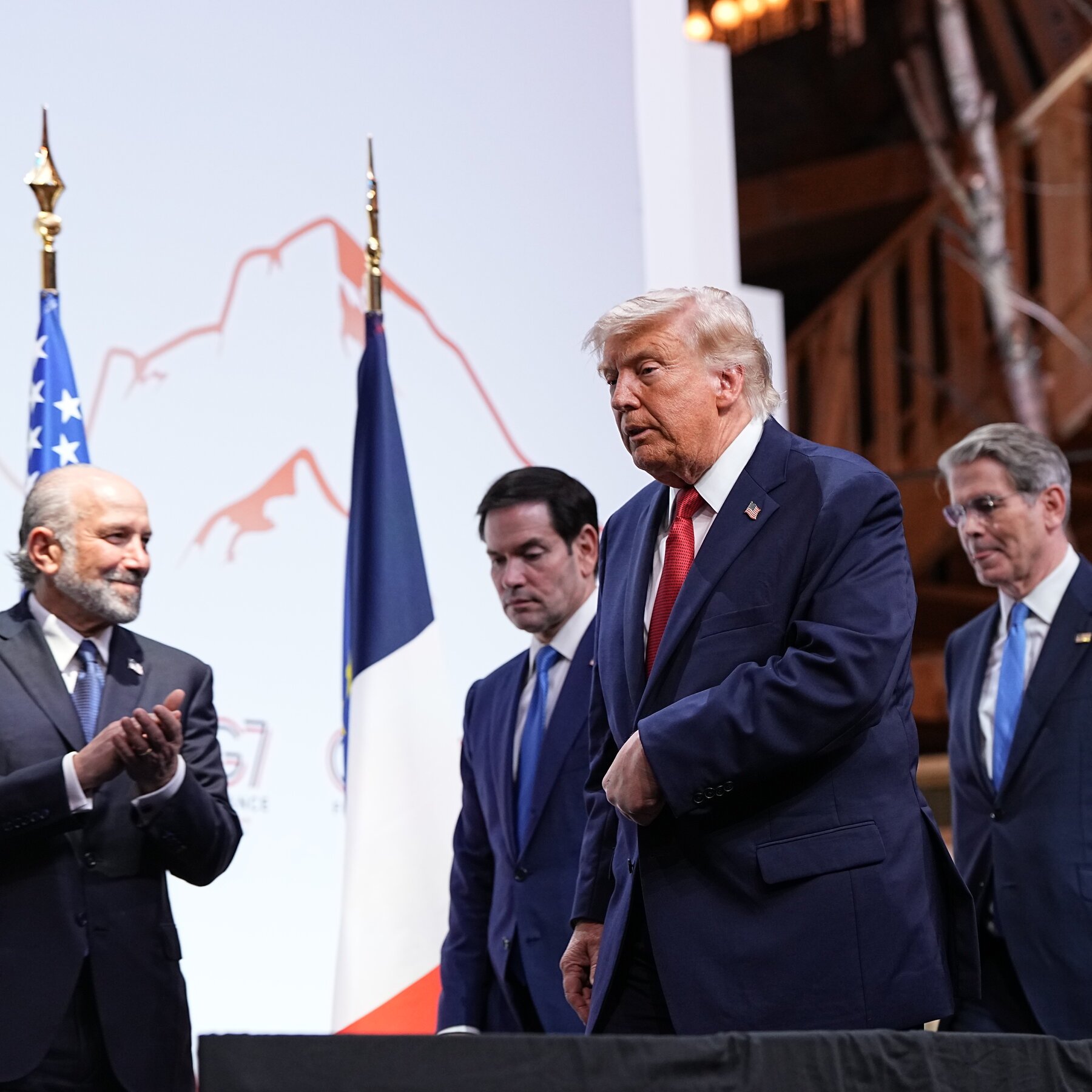
Donald Trump rolled out the red carpet for Narendra Modi at the White House on 17 June 2026, and the optics were meticulously choreographed. The American president called the Indian prime minister "the most beautiful looking man," compared him to "an angel," and then, in the same breath, insisted Modi was "as tough as a killer." The room laughed. Cameras caught the chemistry. By any measure of presidential flattery, the visit delivered.
What it did not deliver was a trade deal. Asked directly by a reporter how close the two sides were to an agreement, Trump replied, "Very close. Modi is a very tough negotiator." No framework was announced. No text was released. No tariff lines were rolled back. The pageantry stood in for the paperwork — and that substitution is the story.
The performance, parsed
The remarks, captured on the White House driveway on the afternoon of 17 June 2026 (UTC), follow a recognisable template. Trump praised Modi's appearance and toughness, framed the bilateral relationship in personal terms ("it really starts with the two of us"), and floated a future visit to New Delhi without committing to a date. He also revived his 2024 campaign-trail language on India's security: "If they were attacked, we would be there to help them. If anybody attacks that man, we're going to be there." The reassurance was unconditional, and conspicuously vague about the trigger.
Read against the trade ledger, the warmth is doing work the deal is not. The United States and India have been negotiating an interim trade arrangement for months, with tariffs on Indian goods and Indian duties on US agricultural products both hanging in the balance. The White House did not, on 17 June 2026, move either number. The visit functioned as a holding pattern dressed up as a breakthrough.
What the flattery is buying
There is a coherent logic to the choreography, even if the trade file is thin. India is the world's most populous country and its fastest-growing large economy. It is also a critical node in the US strategy of denying any single rival a monopoly on the Indian market — a position New Delhi has actively monetised by playing both sides of the technology and energy corridors. A White House visit that reassures Modi of American friendship, without binding Washington to specific concessions, costs the US very little. It signals to Beijing that Washington intends to stay engaged in South Asia. It signals to Indian industry that the relationship is intact, even if the terms are not.
For New Delhi, the upside is comparable. Modi returned to India with the headline image of a leader who commands personal attention from the White House — a valuable asset ahead of domestic political weather. The absence of a signed text also gives him room to keep negotiating without appearing to have conceded. Both men, in other words, got what they came for: a deferral that read as progress.
The counter-narrative
The case for scepticism is straightforward. The same White House that calls Modi "an angel" has spent the better part of two years imposing and threatening tariffs on Indian steel, textiles, and electronics. Congressional scrutiny of Indian purchases of Russian crude has not gone away. Indian diaspora policy fights in the US — including the visa treatment of Indian students and technology workers — remain unresolved. A security commitment phrased as "if they were attacked" is not a treaty, and Washington has a long record of issuing precisely such assurances in cases where it has no intention of following through.
The other reading is that personal diplomacy between Trump and Modi genuinely does move the needle, and that a deal will follow in the coming weeks once the photo-op has done its work. Both men are transactional; both have shown a willingness to compress negotiations into a final sprint. The reporter's question — "how close are you" — was not asked in a vacuum. Something may indeed be close. The visit simply did not prove it.
Stakes, and what to watch
If a framework does land, the obvious beneficiaries are Indian exporters in textiles, pharmaceuticals, and engineering goods, and US agricultural producers seeking access to Indian consumers. The losers would be the third-party suppliers — Vietnamese, Bangladeshi, Chinese — currently filling the gap. If a framework does not land, the tariff regime stays in place, and the deferral begins to look like drift. Either outcome is plausible. The 17 June 2026 visit, on the evidence available, advanced the relationship on the page more than on the page.
Desk note: Monexus is treating the 17 June 2026 White House visit as a diplomatic event, not a trade event, until text is published. Wire coverage has leaned on the personal chemistry; this publication is watching for the document.
Wire provenance
This editorial synthesis draws on the following public wire/social posts:
- https://t.me/ClashReport
- https://t.me/ClashReport
- https://t.me/ClashReport
- https://t.me/ClashReport
- https://t.me/ClashReport
- https://t.me/ClashReport