A 4–0 Statement: What Canada's Rout of Qatar Tells Us About 2026
Canada dismantled Qatar 4–0 in their World Cup 2026 opener. The scoreline matters, but the politics underneath it — host ambitions, Gulf sports capital, and a North American tournament — matter more.
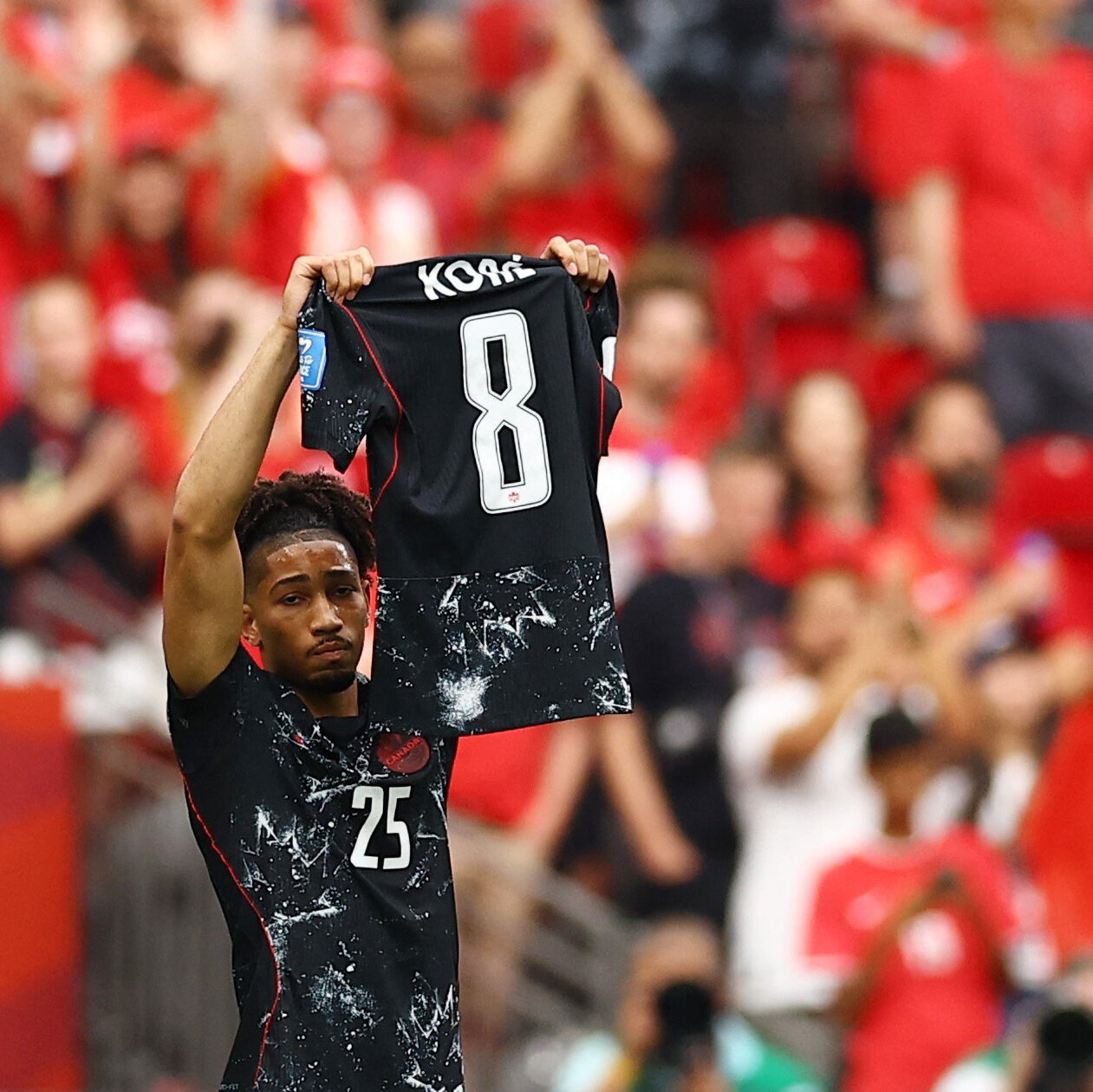
Canada did not ease into the 2026 FIFA World Cup. They walked into it like they owned the building. By the 63rd minute of their Group H opener on 18 June 2026, Jesse Marsch's side had put four past the host nation Qatar, with Jonathan David bagging a brace and Jonathan Saliba finishing the rout late. The final whistle at a sold-out venue in the United States — one of the three North American co-hosts — confirmed a scoreline that, on any other night, would be the story.
It is the story. But it is not only a football story. A Gulf monarchy that spent more than a decade and several billion dollars building itself into a credible World Cup host, then handed the tournament across two time zones to Canada, Mexico and the United States, just absorbed a four-goal defeat on its own regional broadcast partners. Qatar did not play like a team that belonged on this stage. Canada played like a team that has been waiting six years to remind the room it does.
A statement game, deliberately constructed
The shape of the match tells you most of what you need to know. Jonathan David opened Canada's account inside the first quarter-hour, added a second in the 29th minute after a lengthy VAR review that briefly threatened to chalk the goal off, and Qatar's task got harder still when defender Hammam Al-Amin was sent off in the 33rd minute for a second booking. Against ten men, with David already in the kind of mood strikers fall into once a season, the contest was effectively over before halftime. Saliba's fourth, on 63 minutes, completed a Canadian performance that read less like an opener and more like an audition tape for the knockout rounds.
The result matters because tournament openers for host nations tend to carry an outsized political weight. Argentina stumbled against Saudi Arabia in 2022 and spent the rest of the group stage paying for it. Russia drew with Saudi Arabia the same tournament and exited in the round of 16. There is no version of this Qatar squad — drawn almost entirely from Al-Sadd and Al-Rayyan of the Qatar Stars League, supplemented by a handful of naturalised players — that can absorb a four-goal opening-night loss and treat it as a footnote. The opening 33 minutes will follow this team through the group.
The Gulf's sports-capital question
Qatar's football project is the most concentrated piece of sports diplomacy any Gulf state has run. The 2022 World Cup was the centrepiece, but it sat inside a wider portfolio: Paris Saint-Germain, the BeIN Media Group that holds broadcast rights across the Middle East and North Africa, sponsorship deals with FIFA and UEFA, and a club-football ecosystem in Doha that has been deliberately over-funded since the late 2000s. The thesis was straightforward. Buy the global game's attention, then rent it back to domestic audiences and to a Western public that watches through BeIN's sports channels and consumes Qatar Airways branding in every stadium.
A 4–0 loss on tournament opening night is not, on its own, a repudiation of that thesis. Qatar still has the rights portfolio, the airline, the stadium infrastructure. But it does puncture the second-order claim: that the national team, fed through Aspire Academy and bankrolled by the Qatar Football Association, would be a credible on-pitch representative of that investment. They have not been credible at a World Cup since 2022, when they lost all three group games. Three of the players who featured in that squad were still in this one.
Canada's long road to relevance
What gets lost in the host-politics angle is that Canada's football rise is its own story, and a less obviously state-funded one. The country did not qualify for the World Cup between 1986 and 2022. They broke the drought in Qatar four years ago, lost all three group games, and went home early. The current squad is the product of a generation that came through Major League Soccer academies and the Canadian Premier League, with a strong European-league spine — David at Lille and now at a top-five league, Alphonso Davies at Bayern Munich, Saliba at a Ligue 1 club — and a manager in Jesse Marsch who has spent the last two years making the team press higher and attack wider than any Canadian side in living memory.
The 4–0 scoreline reflects that trajectory more than it reflects Qatar's collapse. Canada took 14 shots, kept clean sheet, and scored from four different phases: a direct run, a set-piece header, a transition goal against a team down to ten men, and a late counter. This was not a freak result. It was a team playing its preferred game against a side that could not adjust.
What this tournament is, and isn't
The 2026 World Cup is the first to be hosted across three countries, the first with 48 teams, and the first in which the Gulf's broadcast-and-sponsorship dominance faces a fragmented North American market where Apple TV, Fox and Telemundo each hold slices of the rights. Qatar's loss is a story within that structure, not a story that overrides it. The tournament will be defined over the next month by the United States hosting the bulk of the matches in stadiums built for NFL franchises, by Mexico's opening game at the Estadio Azteca, and by the political economy of a FIFA that has spent the last four years renegotiating its relationship with the Gulf.
What Canada showed on 18 June 2026 is that the on-pitch gap between a Gulf project team and a North American project team, when both are taken seriously, is wider than the broadcast graphics suggested. Qatar will regroup against Switzerland and the group favourite. Canada will try not to let the moment pass. The 4–0 is a starting point, not an endpoint.
Monexus frames this as a football story with a structural backdrop — Gulf sports capital, North American host politics, and a Canadian generation that has been building toward this tournament since the last one. Wire coverage focused on the scoreline; the read here is what the scoreline does to the broader project.
Wire provenance
This editorial synthesis draws on the following public wire/social posts:
- https://t.me/tasnimnews_en
- https://t.me/tasnimnews_en
- https://t.me/tasnimnews_en