England's opening statement leaves Tuchel with selection questions ahead of Panama
A 15-minute burst against Croatia settled England's opener, but the post-match headlines belong as much to Bukayo Saka's fitness as to the scoreline.
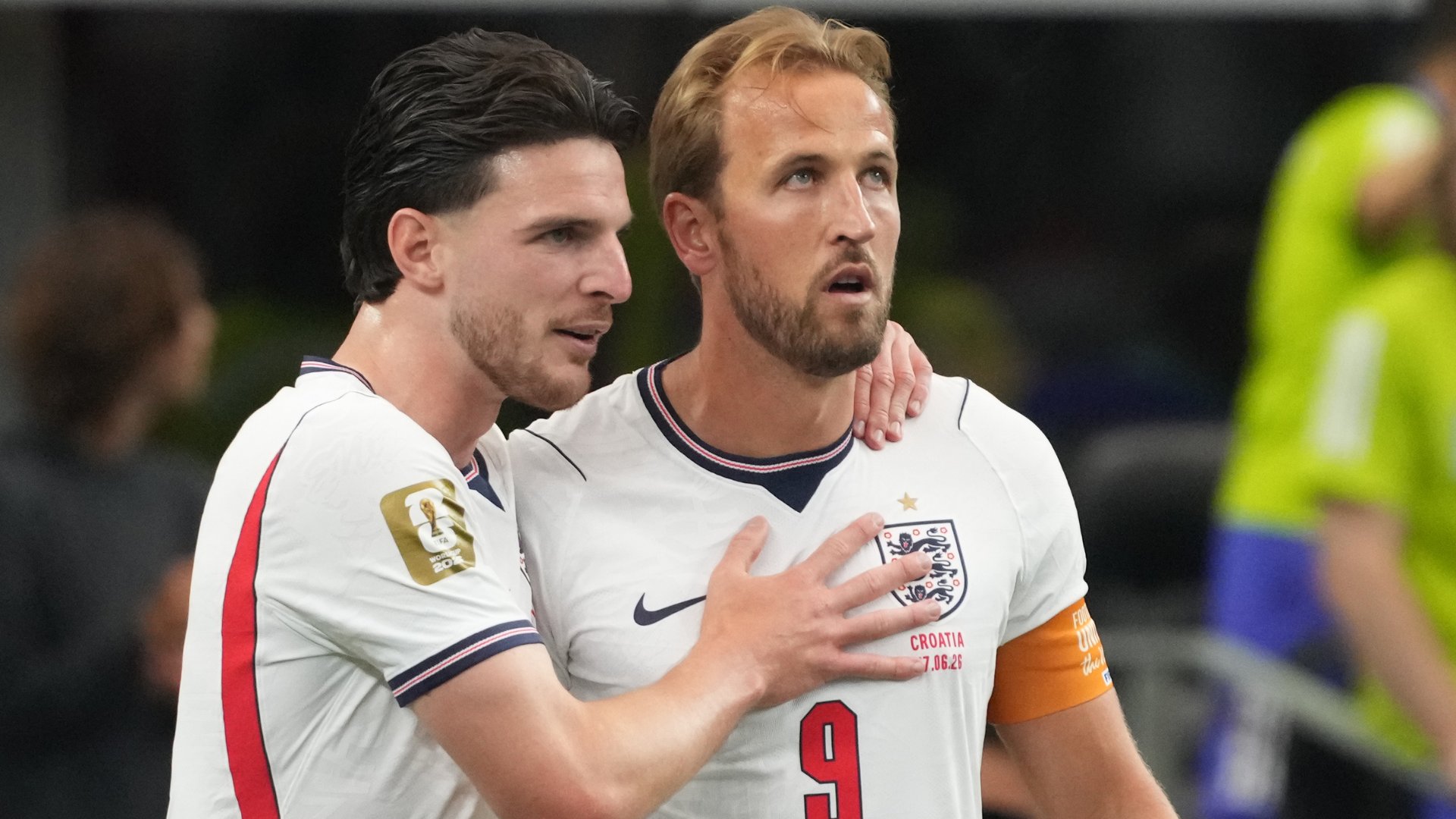
The first serious measure of Thomas Tuchel's England came on 18 June 2026, and it came in a hurry. Croatia, the side that broke English hearts in Moscow eight years ago and reached a final in Doha four years after that, were the opponents. For roughly fifteen minutes at the start of the second half, England played the kind of football that tends to win tournaments rather than merely survive them.
That opening burst is now the story of England's Group H start, and the second-half spell is what Gary Neville singled out when he spoke on Sky Sports shortly after full time on 18 June 2026 at 19:37 UTC. Neville, describing the period as "the best 15 minutes any team has played" at the tournament so far, was clear about the hierarchy in the field. France, he said, remain his favourites to lift the trophy. The compliment to Tuchel's side came with a qualifier attached.
The qualifier matters because the tournament calendar will not wait for England to feel settled. Bukayo Saka, one of the side's most influential wide players, is being nursed through the next week of training and is unlikely to start the second group fixture, against Ghana on 21 June 2026, per Tuchel's own briefing carried by Sky Sports at 19:00 UTC. Saka is expected to be held back for the final group game against Panama.
A manager's first World Cup audition
Tuchel arrived at the England job with a reputation built in club football — Champions League winner with Chelsea, Bundesliga titles with Bayern Munich — and a tactical identity built around control of midfield zones and quick vertical transitions. The match against Croatia was the first public test of whether that identity translates to a national side whose best players arrive at the camp mid-season-tired and mid-tournament-cool.
For fifteen minutes in the second half, the translation worked. England pressed high, won second balls, and moved the ball through Croatia's midfield with the kind of vertical speed that turns a deep block into a broken one. Neville, watching from the studio, reached for the strongest comparison available to him.
The caveat Neville attached is the more interesting one. France have a deeper squad, a forward line that has been scoring at tournament pace for two cycles, and a manager — Didier Deschamps — who has already won this competition as a player. That is the bar.
Saka, the squad, and the cost of rotation
Tuchel's confirmation that Saka is unlikely to start against Ghana is the more granular headache. Holding the Arsenal winger back is a precautionary call — the framing on Sky Sports was a player being "nursed through" the week — but precautionary calls at a World Cup are not free. They cost a starting slot to a squad member who has earned that slot only on the basis of what he has done in training.
The arithmetic is straightforward: three group games, one rest target in Saka, and a squad that Tuchel has signalled he intends to rotate around the opening fixture. Against Croatia, that rotation produced a coherent shape. Against Ghana, the question is whether the same shape holds without the player who most often supplies the line-breaking pass on the right.
What the wider field is doing
England are not the only side dealing with selection trade-offs. France's depth is the structural reason Neville reaches for them as favourites; the squad can absorb an injury to a first-choice forward and still field a forward line that other sides would consider world-class. Brazil, Argentina and Spain carry similar depth in different positions. England's depth is concentrated in attacking wide areas and central midfield — the places Saka and his midfield partners operate.
The counter-point is that England have, in Tuchel, a manager whose career has been built on making squads function rather than on relying on a single talisman. The Croatia result, on this reading, is evidence that the system can travel.
Stakes and the next ten days
The trajectory from here is narrow. A win against Ghana in the second group fixture would, in practice, put England into the knockout rounds regardless of what happens against Panama. A draw or a defeat would force Tuchel into the rotation calculus he has been trying to avoid, with Saka's return timed to a knockout fixture rather than the comfortable final group game the current plan assumes.
The honest uncertainty is at the back. The sources do not specify whether Saka's absence is muscular, load-management, or a minor knock — only that Tuchel described him as unlikely to start and that the plan is to bring him back against Panama. If the issue worsens, the squad depth that Tuchel has talked up will be tested earlier than anyone at the Football Association would like.
The Neville read — best fifteen minutes, France still favourites — is the read that travels best through the rest of the group stage. Whether it survives contact with Ghana, and with whatever state Saka returns in, is the question the next ten days will answer.
— Monexus staff; this desk covered Tuchel's first World Cup outing as a tactical audition rather than a result, on the basis that group-stage openers at major tournaments are usually most interesting for what they tell managers they do not yet know.
Wire provenance
This editorial synthesis draws on the following public wire/social posts:
- https://t.me/skysportsnews/2026-06-18-19-37
- https://t.me/skysportsnews/2026-06-18-19-00
- https://en.wikipedia.org/wiki/Thomas_Tuchel
- https://en.wikipedia.org/wiki/Bukayo_Saka
- https://en.wikipedia.org/wiki/England_at_the_FIFA_World_Cup