Grossi takes the IAEA to the table — and pulls the diplomatic rug halfway with him
Rafael Grossi confirmed on 18 June 2026 that the IAEA will join US–Iran talks in Switzerland, inserting the UN watchdog into a negotiation its inspectors have spent years unable to police.
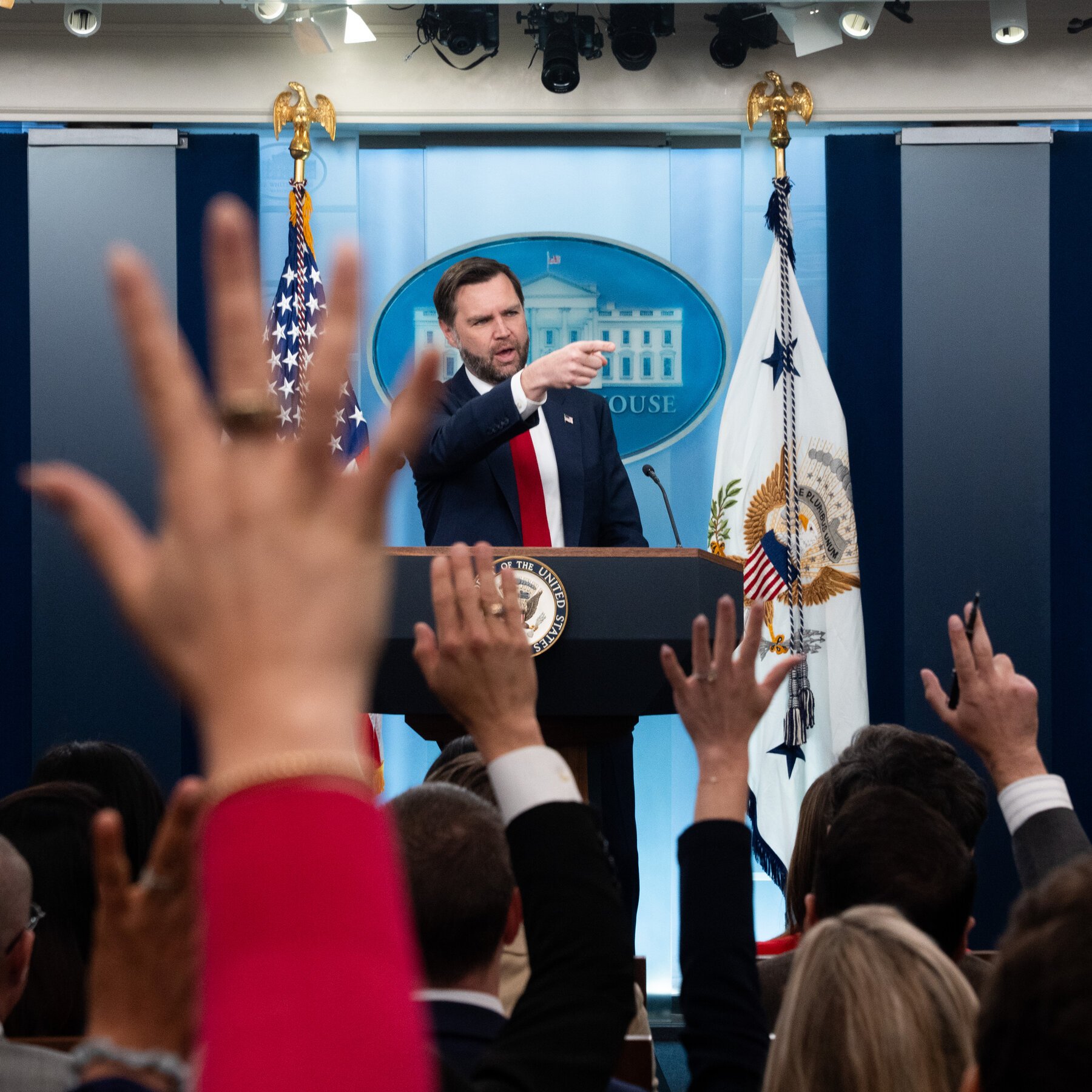
At 07:40 UTC on 18 June 2026, the director general of the International Atomic Energy Agency, Rafael Grossi, confirmed what a half-dozen Tehran-aligned wires had been telegraphing for an hour: the UN nuclear watchdog will be in the room when American and Iranian teams sit down in Switzerland, and he intends to make the talks concrete rather than ceremonial.
The framing of his statement matters. Grossi did not announce a new inspection regime, a draft framework, or a confidence-building measure tied to a specific facility. He announced presence. After three years of mounting restrictions on IAEA access to Iranian sites — restrictions Tehran framed as a response to Israeli sabotage operations and to the collapse of diplomatic cover after the 2018 US withdrawal from the joint comprehensive plan of action — the agency is being readmitted to the negotiation as an actor, not an observer. That is a real shift, and a small one, and the difference is the story.
What Grossi actually said
The substance of the announcement, carried simultaneously by Iran's Tasnim news agency and by Al-Alam Arabic in the minutes after 07:38 UTC, is narrow. The IAEA will participate in the Swiss negotiations between Washington and Tehran. Grossi characterised the moment as the right one "to sit down with the American and Iranian teams to take concrete steps." No counterpart on the US side has, in the materials available at the time of writing, confirmed the venue, the date, or the agenda. The Iranian foreign ministry has not yet published a read-out. The Swiss foreign ministry has not acknowledged hosting the round.
In other words: the agency is announcing itself into a meeting whose other two principals have not, in public, confirmed that the meeting exists. That is either diplomatic choreography or bureaucratic overreach, and the next 72 hours will tell us which.
Why the IAEA's presence is the point
Strip away the summit theatre and the question is technical. IAEA inspectors have not had sustained, unannounced access to Iran's declared and undeclared nuclear sites since 2021. The agency has reported a stockpile of enriched uranium that, in aggregate, sits well above the limits set by the original 2015 deal — a stockpile that, by its own published assessments, has no plausible civilian justification. The Iranian argument, articulated at length in state-aligned coverage and in MFA briefings, is that the original deal collapsed because Washington abandoned it, that European parties failed to deliver the economic normalisation they had promised, and that Iran's nuclear advances are a sovereign counter-weight to Israeli strike capability. None of that is fabricated; all of it is contested.
The presence of Grossi in the room narrows the space for that contest. A negotiation that includes the UN's nuclear accounting authority is a negotiation in which technical claims about enrichment levels, centrifuge cascades, and undeclared sites can be adjudicated against a single ledger. The Iranian delegation, which has spent years arguing that the IAEA is a political instrument of Western powers, has now agreed to that adjudication. The American delegation, which has spent years arguing that Iran is not negotiating in good faith, has accepted a witness.
What the Western wire line is missing
The Western reporting that will follow in the next 24 hours will almost certainly frame Grossi's announcement as a "diplomatic breakthrough." The Tehran-aligned coverage is already framing it as a confirmation that the agency has been readmitted to a process it never should have been frozen out of. Both frames flatter their speakers.
The duller, more accurate read is that a watchdog is being installed at a table that has not yet agreed on what the meal is. The previous rounds of US–Iran talks — Muscat, Doha, the back-channel exchanges in New York — collapsed over the sequencing of sanctions relief and verification, not over the presence or absence of third parties. Grossi's chair does not resolve that sequence. It does, however, give the agency a stake in the result: a deal that excludes the IAEA is a deal that binds Washington and Tehran while leaving the UN nuclear authority permanently on the outside, and that is a posture Grossi has spent two years arguing against.
The structural frame
What we are watching is not a breakthrough but a re-legitimisation. The 2015 deal gave the IAEA the role of arbiter of compliance; the 2018 US withdrawal stripped the agency of that role without stripping it of the responsibility. For seven years, the agency has been reporting on a non-existent agreement, and that mismatch has corroded its standing in the non-aligned world. By placing itself in the Swiss room, the agency is reclaiming the procedural centre of gravity of the non-proliferation regime, regardless of what Washington and Tehran ultimately agree.
That is, on the evidence, a quieter and more durable outcome than any headline "deal" would be. It is also precisely the kind of outcome the talking heads will ignore.
What remains uncertain
The materials available to this publication at the time of filing do not specify the Swiss venue, the date of the round, the level of the Iranian delegation, or whether the Israeli government has been consulted or informed. The European parties to the original 2015 agreement — France, Germany, the United Kingdom — have not, in the source material reviewed, been named as participants. The IAEA's specific mandate in the talks — observer, technical adviser, co-negotiator — has not been disclosed. The single most contested fact, the size and location of Iran's near-90-percent-enriched stockpile, is unlikely to move on the strength of a press conference alone.
What is certain is narrower: the IAEA is at the table, the Iranian side is on record agreeing to the format, and the agency has chosen this moment to insist, publicly and on the record, on concrete steps. The next test is whether the steps themselves are concrete. We will know within the week.
— Monexus framed this as a procedural re-legitimisation of the IAEA rather than as a diplomatic breakthrough, on the ground that presence is cheap and verifiable commitments are not.
Wire provenance
This editorial synthesis draws on the following public wire/social posts:
- https://t.me/sprinterpress/
- https://t.me/alalamarabic
- https://t.me/tasnimnews_en
- https://t.me/JahanTasnim
Follow the event.
These dated source records provide context. They do not retrospectively verify this archive article.
Separate what the nuclear watchdog reported from what it could not determine after the June 2025 strikes.