Pakistan's diplomatic bid lands in Tehran — and Iran is letting it
A Wednesday afternoon phone call between Pezeshkian and Sharif put Islamabad back at the centre of de-escalation efforts. The Iranian readout is doing the diplomatic heavy lifting.
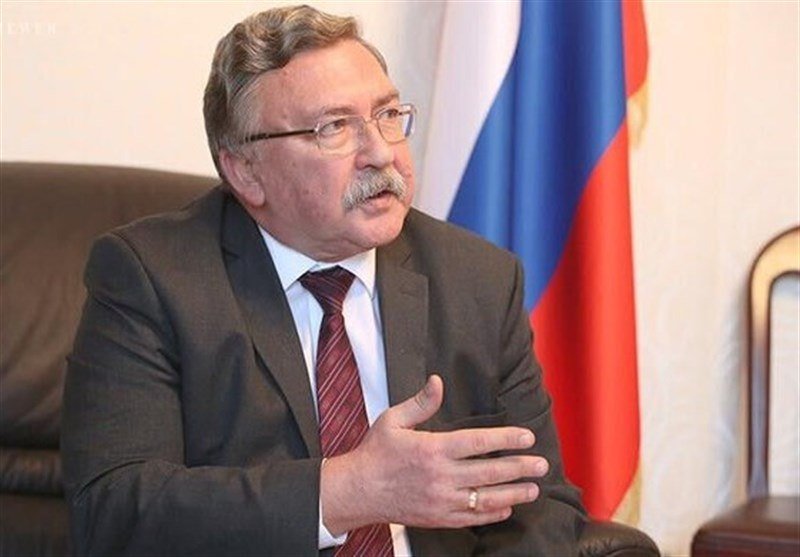
Pakistan's prime minister rang Iran's president on Wednesday afternoon and offered the most concrete diplomatic bid the region has seen this week. Tehran's official readout, carried by state outlets, treats the call as the headline event of the day. That framing is doing real work.
The call is short on substance, long on choreography. According to both Iranian and Iranian-aligned English-language coverage of the conversation, President Masoud Pezeshkian told Prime Minister Shahbaz Sharif that "Pakistan's efforts to reach an agreement to end the war will remain in the memory of the Iranian nation." Sharif's side, in turn, repeated Iran's talking points about regional peace and stability. No terms. No timeline. No third-party mediation framework. Just the public performance of a senior non-Gulf state inserting itself into a conflict the Gulf states themselves have struggled to defuse.
The choreography is the point
A diplomatic phone call between two heads of government is normally a paragraph in a foreign-ministry briefing. The Iranian state broadcaster Al-Alam pushed the Pezeshkian–Sharif call to the top of its 14:00 UTC wire on 18 June 2026; the English-language outlet Tasnim News carried an item-for-item match. The decision to elevate the call above other diplomatic traffic is itself a signal. Tehran wants the diplomatic-credit ledger to show that when a non-aligned Muslim-majority state offers to help, the Islamic Republic accepts the help on its own terms.
Read against the day's other items from Tehran — a freshly repainted Revolution Square mural in Tehran honouring Iranian "martyrs" under the tent of Imam Hossein, and a commerce line about grain imports offset by two crude-oil exports — the call is the softest, most outward-facing piece of an otherwise hardened message. The mural is for the base. The shipping data is for the sanctions-file crowd. The call is for the region and the UN General Assembly hallway.
What Pakistan actually bought
Islamabad has wanted a seat at any regional ceasefire table for months. The Sharif government has rhetorical reasons to be there — a long border with Iran, a sizeable Shia minority, and an economy that cannot absorb a second escalation. The substantive question is whether Pakistan is offering to carry messages, host talks, or both. The Iranian readout does not say. The Pakistani readout, to the extent that it exists in the thread, mirrors Tehran's framing, which is usually a tell that the conversation was managed from the Iranian side.
The honest read: Pakistan has been granted a courtesy photo-op, not a co-chairmanship. The harder mediation work, if it is happening at all, is almost certainly running through the Gulf capitals and a narrower channel that has not surfaced in open reporting on 18 June 2026.
Counterpoint: it may be more than that
The dismissal is too easy. Pakistan has previously carried diplomatic weight that Western and Gulf capitals could not — most visibly in the Saudi–Iran rapprochement brokered in Beijing in March 2023. If Sharif has quietly offered air-space, a venue, or back-channel access, the Iranian readout will not advertise it. Tehran's diplomatic culture is to publicise the warmth and conceal the mechanism.
There is also a structural reason for Tehran to want this call to be read as substantive. The Islamic Republic is short on regional partners willing to be photographed standing next to its diplomacy. A Pakistani endorsement — even a symbolic one — is a small piece of insulation against the reading that Tehran is diplomatically isolated.
What remains uncertain
Three things are not in the open record. First, whether a specific third state — most plausibly the United States, Israel, or Saudi Arabia — is the intended audience for the mediation offer, and whether that audience has acknowledged receipt. Second, the operational shape of any de-escalation: a humanitarian pause, a ceasefire, a prisoner exchange, or the wider political settlement that Pezeshkian's language gestures toward. Third, the cost Pakistan is being asked to absorb, and what it expects in return — economic relief, security guarantees, or a stake in any post-war regional architecture.
The sources do not specify any of this. They specify only that the call happened, who said what, and that Tehran wanted the world to know about it before the news cycle moved on. That asymmetry — Iran's eager publicity, Pakistan's studied silence — is the most useful fact on the page.
Stakes
If the call is real diplomacy in slow motion, the near-term beneficiary is Pakistan, which gets the diplomatic visibility it has been seeking. The medium-term beneficiary, if a ceasefire materialises, is the wider region, which is paying the price of the current trajectory in shipping insurance, energy prices, and a refugee picture that no foreign ministry in the Gulf wants to acknowledge. The loser, in any outcome, is the domestic Iranian political faction that has invested most in the war's continuation — and the public credit it would normally claim for a settlement will now be shared, on Iran's own framing, with Islamabad. That is a choice Tehran made deliberately. It says more about the internal balance of power inside the Islamic Republic than the readout admits.
The Wednesday call is not a breakthrough. It is, at most, a permission slip for the next call. The diplomatic value will be measured by what follows, not by what was said.
— Monexus framed this against the grain of the day's harder Iranian messaging: the martyrdom mural and the sanctions-defying shipping data. The phone call is the legible piece; the choreography around it is the story.
Wire provenance
This editorial synthesis draws on the following public wire/social posts:
- https://t.me/alalamfa/
- https://t.me/tasnimnews_en/
- https://t.me/alalamfa/
- https://t.me/alalamfa/