MLB drops the clock from the Home Run Derby — and nobody is pretending this is about pace of play
Major League Baseball has scrapped the pitch clock for next month's Home Run Derby in Philadelphia, a quiet admission that the league's pace-of-play reforms have an asterisk the size of a batting cage.
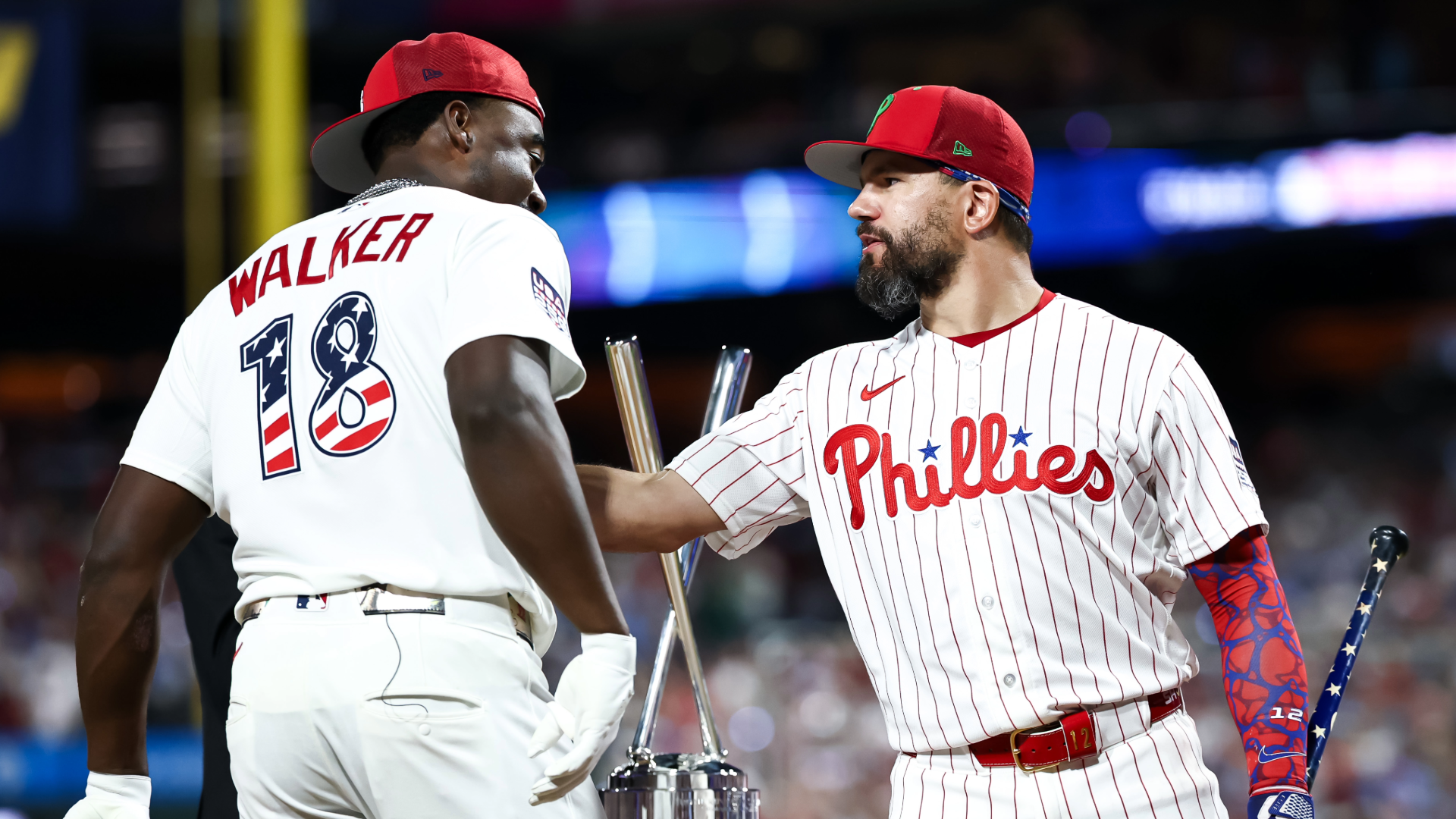
Major League Baseball has walked back one of the signature rules of its pace-of-play era. The league is eliminating the pitch clock for next month's All-Star Home Run Derby at Citizens Bank Park in Philadelphia, ESPN reported on 18 June 2026, reversing a change it introduced only two years ago and underscoring just how uncomfortable television-friendly speed remains when the product is spectacle rather than regular-season innings.
The decision is small in sporting terms and large in signalling terms. The Derby has become, by some distance, the most-watched event of the All-Star calendar — a counter-programmed showcase built on slow-pitch batting practice, lavish bat flips, and the deliberate theatre of a slugger winding up for a 480-foot drive. A 20-second clock never belonged there. That MLB installed it in the first place said less about fan demand than about an institutional reflex to apply the league's regular-season template to every property it owns, regardless of fit.
What the change actually does
Under the rule introduced in 2024, hitters in the Derby worked against a 20-second pitch clock, mirroring the regular-season timer that has demonstrably shortened game times since 2023. The clock has now been pulled for the 2026 edition in Philadelphia, restoring the looser cadence that defined the event through most of its modern life.
The move is being framed by the league as a one-off accommodation for an exhibition. That framing is defensible on its face: the Derby is not a competitive game, the timer was always an awkward fit, and there is no evidence that the regular-season clock — the substantive pace-of-play reform — is in any jeopardy. But the framing also flatters a league that has spent four years insisting pace is non-negotiable, and that is now discovering, in the most public property on its calendar, that pace is in fact negotiable when the optics point the other way.
The counter-narrative: not really a concession
The more interesting read is that this is not a concession at all. MLB's pace-of-play reforms have always been a package deal — clock, larger bases, limited pickoff attempts, a pitch timer tightened from 20 to 18 seconds in 2025 — engineered to compress average game time without alienating the casual audience that drifts away in the late innings. The Derby, with its four-minute rounds and parade of slow-trot home-run trots, sits at the opposite end of that calculation. The 20-second clock there was almost performative compliance: a visible signal that the league's new rules applied everywhere, even where they were obviously a mismatch.
Removing it does not unwind the package. It quietly admits the package had a costume element. That admission is useful — fans and broadcast partners both benefit from a clearer-eyed rule architecture — but it is not the kind of admission a league makes when it wants to project inevitability about its reforms. The honest version of the change is straightforward: the clock was always optional in the All-Star window, and MLB is finally treating it that way.
Structural frame: a league selling time and rhythm against itself
The deeper tension is that MLB now sells two incompatible products in the same week. One is a regular season engineered, second by second, to end inside three hours, with managers ringing bullpens in 12 seconds and hitters stepping out of the box to comply with a timer they resent. The other is an All-Star weekend built around three-minute rounds, ceremonial mid-round interviews, and a Derby that has never been less about competition than about content. Both products are sold to the same audience, under the same league logo, on the same broadcast infrastructure.
That contradiction is not new — All-Star exhibitions have always been loosely governed — but the 2023-2026 rule era has made it more visible. When the regular-season clock is the league's flagship reform, choosing to remove it from the single most-watched All-Star event sends a message: pace-of-play is a working compromise between baseball as a sport and baseball as a television product, not a moral position. The All-Star weekend is the moment the deal is most visible, and the league has chosen, in Philadelphia, to make the deal legible rather than to insist on the rhythm that the regular season now runs on.
Stakes: what to watch in Philadelphia
The immediate stakes are competitive. Without a clock, the field in Philadelphia will almost certainly post longer rounds, deeper counts, and higher cumulative home-run totals than the 2024-2025 editions, when the timer compressed swings and visibly altered hitter preparation. The Derby has trended toward younger, higher bat-speed entrants in recent years, and the clock was a documented drag on the longest swings; its removal tilts the field back toward the patient, looping power hitters who defined the format through the 2010s.
The larger stakes are institutional. MLB has spent the post-2022 era presenting pace-of-play as a settled, fan-pleasing reform. The Derby reversal does not threaten the regular-season clock, but it does puncture the framing that every property in the league's portfolio is now governed by the new ruleset. That puncture is small. It is also the kind of visible exception that broadcasters and players' association negotiators will file away the next time the league argues that the package is non-negotiable.
Desk note: Wire coverage of the clock change has been sparse outside ESPN, and the sources do not specify which MLB official announced the reversal or whether the change will carry forward to future Derbys. Monexus has treated the decision as a one-off exhibition accommodation, consistent with ESPN's framing, and will update if the league publishes a formal memo.