Polymarket opens a market on what Mexico–South Korea announcers will actually say
A new Polymarket contract asks traders to forecast the exact phrases World Cup broadcasters will use during Mexico vs South Korea — turning commentary tropes into a tradable asset.
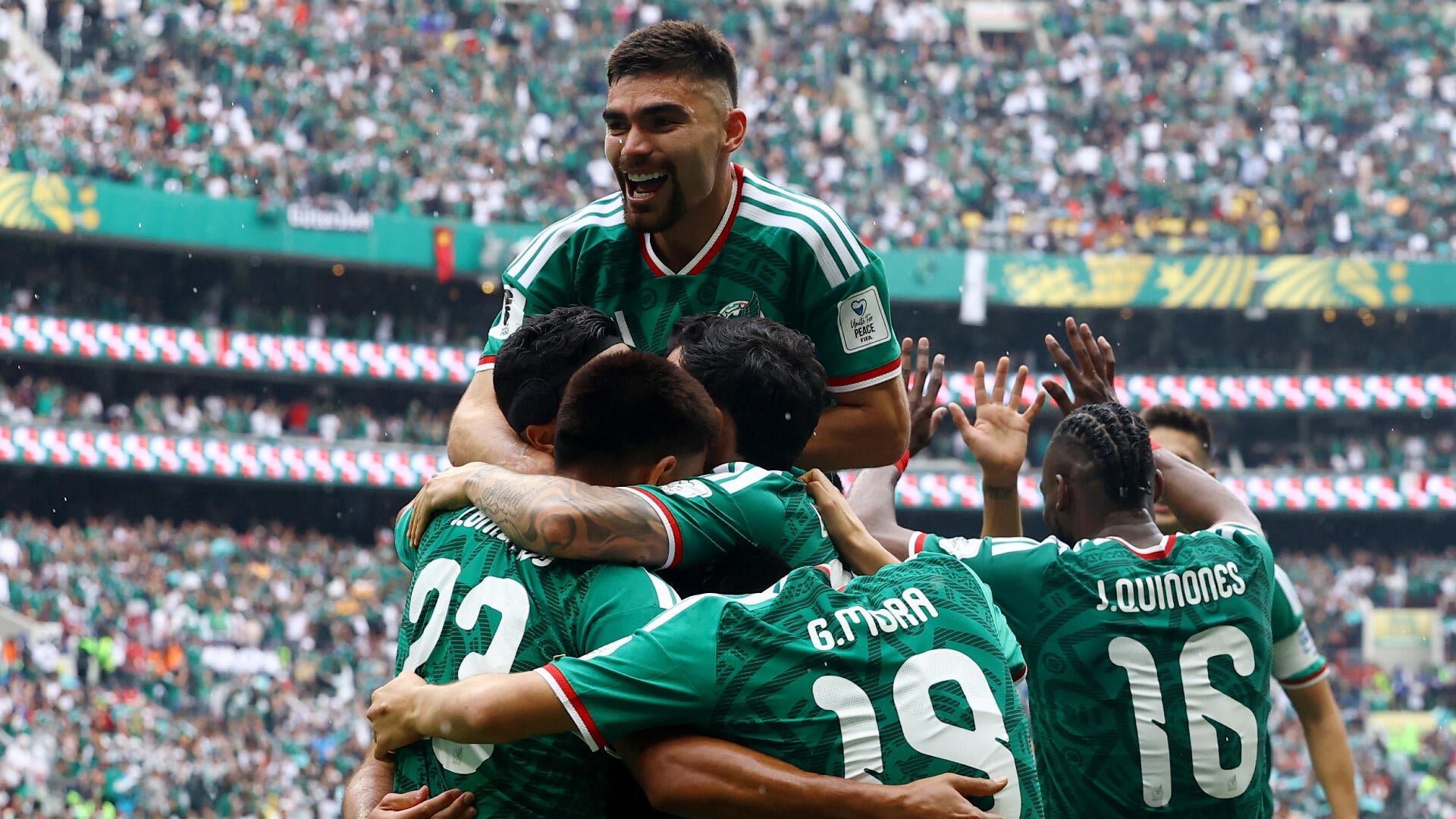
On 18 June 2026, the prediction market Polymarket listed a new contract asking traders to forecast which phrases television announcers will actually use on air during the Mexico versus South Korea World Cup group-stage match. The market, posted at 06:38 UTC under the title "What will the announcers say during Mexico vs South Korea World Cup Match?", reduces commentary clichés — set-piece calls, player-nicknames, the broadcaster's signature opening — to a set of binary tickboxes that traders can buy and sell against a resolution determined after the final whistle.
The contract is a small, telling data point in the long-running story of prediction markets eating live sport. It is also a reminder that the most reliable money in a World Cup is increasingly being placed not on the scoreline, but on the words around it.
The market, in plain terms
Polymarket's Mexico–South Korea announcer contract follows the same template the platform has used for marquee American sports broadcasts: traders are offered a menu of possible phrases — typically including the announcer's trademark greeting, common tactical descriptors such as "set piece" or "counter-attack", and crowd-coded reactions to goals and red cards — and wager on which will appear on the live feed. Resolution rules on these markets generally rely on a post-match review of the broadcast by the market's designated resolver; the question of which announcer, and which feed, governs the contract is therefore as important as the phrases themselves.
The Mexico–South Korea fixture sits inside Day 8 of the tournament, an Al Jazeera English round-up of 18 June noted at 08:09 UTC, a slate that also includes Canada against Qatar. Mexico and South Korea are both established World Cup participants; their meeting is the kind of middle-stage group fixture that historically produces a denser commentator vocabulary, with broadcasters leaning on national-team shorthand — El Tri's "tiki-tala" lineage, Son Heung-min's "Sonaldo" branding — to fill airtime during a tight contest.
A counter-read: it's just banter, not a market
The instinct on the Polymarket trading floor is to treat announcer markets as low-stakes novelty. The contract sizes are small, the resolution criteria are subjective, and the upside on any single phrase is modest. There is a real argument that these markets are essentially attention products — they exist to bring users onto the platform during tentpole sporting events, where the prediction-market operator can cross-sell higher-volume contracts on goals, corners, and outright winners.
The counterpoint is that the announcer market exposes something more durable. By pricing phrases rather than outcomes, Polymarket is implicitly asserting that live broadcast commentary is now a structured, observable event with its own internal grammar. That is a small but real shift in what counts as a tradable surface. Once announcer vocabulary is a market, the next logical step — markets on the exact word a manager uses in a press conference, on the colour of a head coach's tie, on the specific chant a section of fans will produce at minute 17 — is incremental rather than categorical.
The structural frame: live sport as a stream of micro-events
The wider pattern here is the unbundling of the sporting event into discrete, priceable moments. For most of the modern era, a football match was a single outcome variable: win, lose, or draw. The last fifteen years of sports betting have chipped away at that unity, breaking matches into corners, cards, shots, and player props. Prediction markets have continued the work with a slightly different vocabulary — on-chain contracts, peer-to-peer settlement, and a user base that overlaps more closely with crypto traders than with traditional bookmakers.
Announcer markets sit at the edge of this trend. They are not about the sport at all; they are about the broadcast shell around the sport. That is significant because it is the broadcast — the voice, the catchphrase, the familiar two-minute summary at half-time — that has historically given a match its cultural reach beyond the scoreline. Pricing the announcer's vocabulary is, in a small way, an attempt to financialise the part of football that always escaped the bookmaker's spreadsheet.
Stakes, and what remains uncertain
The honest answer to "what does this market move" is: not much, in dollar terms. The deeper question is whether prediction markets continue to expand the surface area of what is treated as a tradable event. The Mexico–South Korea match will resolve in roughly two hours of football; the underlying contract on announcer phrasing will resolve in roughly the same window. The thing being priced is small, but the precedent is real.
What the sources do not specify is which broadcast feed governs the contract, which resolver will judge the resolution, or the size of the liquidity currently committed to the market. Those details matter: an announcer-market dispute over a borderline phrase is exactly the kind of low-stakes, high-visibility contest that tests a platform's resolution infrastructure in public. If Polymarket handles it cleanly, the category grows. If it doesn't, the contract becomes a cautionary footnote rather than a building block.
For now, the market is open, the menu of phrases is set, and the announcers in question have not yet been named on the public market page. That last gap is itself part of the story: the product is the bet, but the unresolved variable is the human voice at the centre of it.
Desk note: Monexus framed this as a structural marker of how live sport is being sliced into priceable micro-events, rather than as a straight markets report — the wire coverage that surfaced the contract emphasised Day 8 fixtures; Monexus centred the announcer contract specifically.