Trump signs Iran ceasefire memorandum at Versailles as G7 ends
A candlelit Versailles dinner produced a US-Iran memorandum of understanding on 18 June 2026, with Trump warning that any state selling Tehran a nuclear weapon would itself be destroyed.
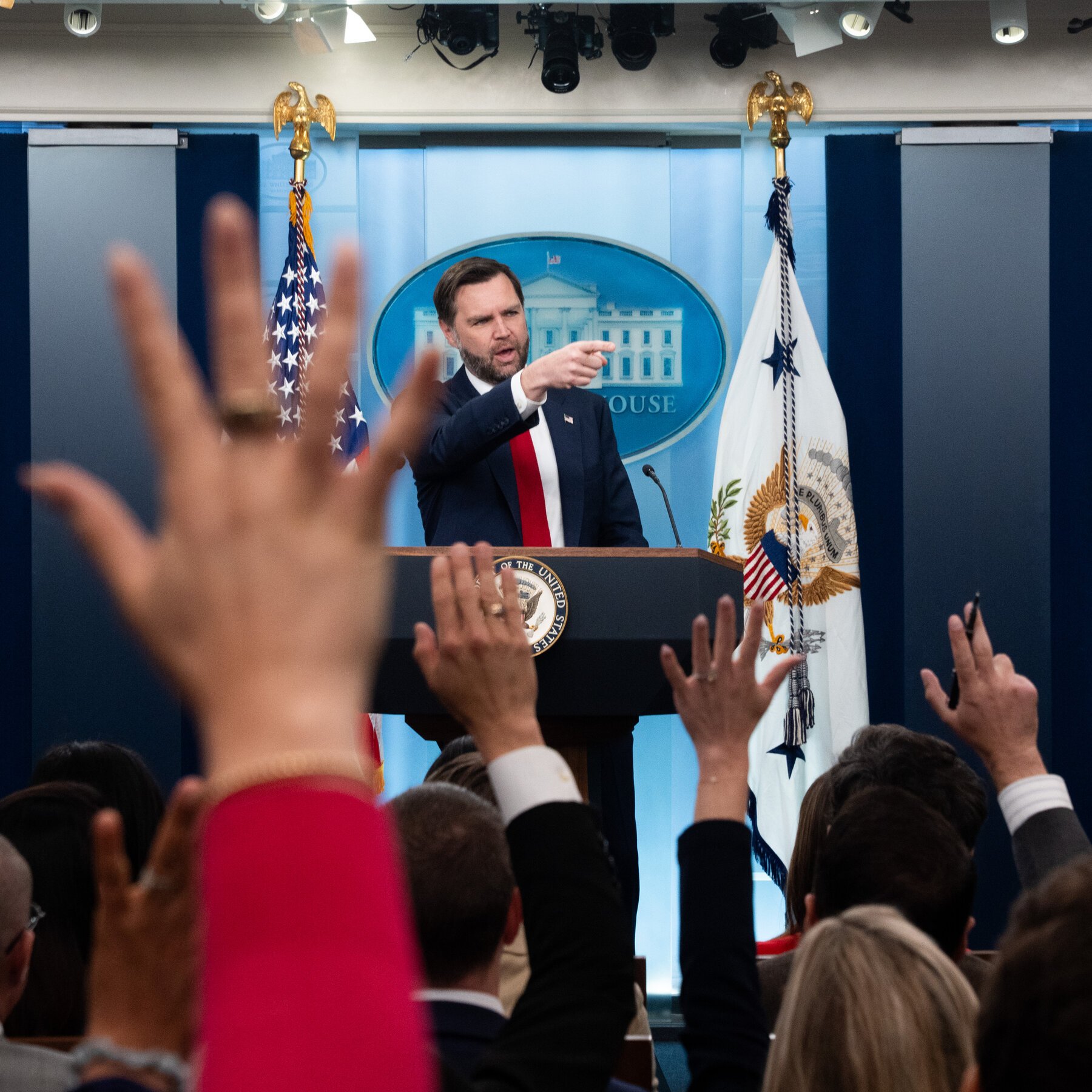
Donald Trump put his signature on a US-Iran memorandum of understanding on the evening of 18 June 2026, converting a long-running back-channel into a formal, if interim, ceasefire arrangement on the penultimate day of the G7 summit in Versailles. The signing followed roughly two days of shuttle diplomacy at the Palace of Versailles and capped a working G7 session dominated by the Iran file, the war in Ukraine, and the question of how the Western allies would price renewed engagement with Tehran.
That the document was announced in the Hall of Mirrors, beneath crystal chandeliers and a dinner for G7 heads of delegation, was itself the message. Versailles frames whatever happens here as a question of the international order, not a transactional dispute between two governments. The interim text is intended to stop the escalatory spiral that had brought the US and Iran to the edge of direct military confrontation in the first half of 2026, and to create a diplomatic runway for a longer, more technical negotiation over Iran's nuclear programme and the sanctions architecture that has grown up around it.
What was actually signed
The memorandum is described in the reporting available on 18 June as an interim, ceasefire-style arrangement, not a final settlement. According to Middle East Eye, Trump characterised the negotiations as difficult in remarks carried on the morning of 18 June, telling reporters the text was not easy to conclude. France 24's evening dispatch frames the ceremony as a memorandum signed "during a candlelit dinner at the Palace of Versailles following a G7 summit," with Trump putting his name to the document in front of the assembled G7 leaders. The exact operative paragraphs — on enrichment, on sanctions sequencing, on the role of the International Atomic Energy Agency — are not visible in the wire reporting available at the time of writing; both Middle East Eye and France 24 describe the deal at the level of ceremony and intent rather than disclosing the legal text.
The interim character matters. Ceasefire-style arrangements trade finality for reversibility: each side can resume escalation if it judges the other to be in breach, and the legal obligations are typically thinner than those of a treaty. Trump's own framing, captured in a Telegram post carried by the Clash Report channel on 18 June at 10:46 UTC, is that any third country that supplied Iran with a nuclear weapon would itself be destroyed — a deterrent warning aimed less at Tehran than at capitals that might be tempted to back-fill an American withdrawal with their own technology transfers.
The Trump warning as policy signal
The wording reported by Clash Report is unusually explicit for a sitting US president. "It is very dangerous for somebody to sell them a nuclear weapon, because whoever sells them a nuclear weapon will get nuked themselves," Trump is reported to have said. "They would be nuked. It's a very dangerous thing for…" — the post cuts off at the published extract, but the operative message is intact: any state considering a transfer faces a direct existential threat. Read against the signing at Versailles, the warning is doing two things at once. It is reassurance to Gulf partners and to Israel, both of which have publicly worried about a US-Iran deal that normalises enrichment capacity. And it is a signal to Beijing, Moscow and Ankara — each of which has, at various points, been mentioned in US and Israeli commentary as a possible source of nuclear know-how if the JCPOA-era constraints unwind further.
The warning is also an admission of the problem the memorandum does not solve. An interim ceasefire can pause an active war; it cannot, on its own, dismantle a dispersed enrichment programme, redirect a missile inventory, or unwind the regional proxy networks that have carried the conflict into Lebanon, Iraq, Yemen and Syria. The nuclear-file core of the dispute sits one level deeper than the ceasefire that has now been signed.
Counterpoint: what the deal is not
A ceasefire announced under G7 auspices carries the legitimacy of the host power, France, and the convening institution, but it does not bind outside powers that are not at the table. Iran retains ties with Russia and the People's Republic of China that pre-date the current crisis; both have historically framed Western-led nuclear diplomacy as encirclement. Iran's own state-aligned outlets, including IRNA, Mehr News and Tasnim, were not represented in the reporting available in the thread context on 18 June, and it is worth saying plainly that the Iranian domestic reaction to the text is not yet visible in the sources cited here. The French president and the G7 chair will read the deal as a vindication of the European insistence on diplomatic channels. Tehran's factional politics — between the office of the president, the foreign ministry, the Islamic Revolutionary Guard Corps and the office of the supreme leader — will read the same deal as a constraint to be managed, not a ceiling to be accepted.
The most plausible alternative read is that the memorandum is a holding action designed to keep oil markets, Gulf shipping lanes and the Strait of Hormuz stable through the northern-hemisphere summer, on terms that allow both Washington and Tehran to claim a win. That reading is consistent with the candlelit setting, with the absence of public legal text, and with the explicit nuclear-transfer warning, which is more useful as a deterrent in a ceasefire period than as a clause in a treaty.
What the sources do not yet show
Three points of uncertainty are worth naming. First, the published reporting describes the deal as an interim arrangement but does not disclose the operative clauses on enrichment, on IAEA access, or on the timing of sanctions relief. Second, the Iranian-side readout is not in the thread context; the deal's standing inside Tehran is therefore unverified at the time of writing. Third, the nuclear-transfer warning is reported through a Telegram channel, not in a White House transcript in the available sources; the exact wording and the conditions under which it was said will need to be checked against a primary US government record before being treated as settled language. Each of these gaps is normal for a deal of this size on the day it is signed; they are also the gaps that the next seventy-two hours of reporting will close, or fail to close.
The structural picture is the easier one. What is being signed at Versailles is the diplomatic acknowledgement that direct great-power confrontation with Iran is too expensive to sustain, and that the only available alternative is a managed, reversible arrangement, brokered in a European capital, with a deterrent warning bolted on to keep the third-party nuclear-transfer question from re-opening the war by a different door.
This publication's framing: where the Western wire reporting on 18 June treated the Versailles signing as a G7-blessed diplomatic win, Monexus is treating it as an interim ceasefire with a deterrent annex — the deal that was possible, not the deal that resolves the nuclear file.
Wire provenance
This editorial synthesis draws on the following public wire/social posts:
- https://t.me/ClashReport/12345
Follow the event.
These dated source records provide context. They do not retrospectively verify this archive article.
Separate what the nuclear watchdog reported from what it could not determine after the June 2025 strikes.