Ukrainian drones hit Moscow oil refinery in pre-dawn raid, halting commercial flights
Independent open-source monitors geolocated pre-dawn fires at a Moscow oil refinery after a wave of Ukrainian long-range drones struck the capital, briefly halting commercial flights and widening Kyiv's reach deep into Russian airspace.
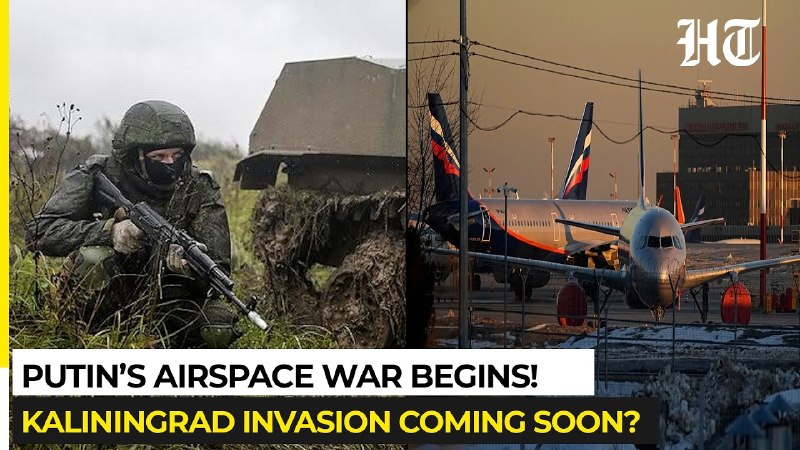
A pre-dawn wave of long-range Ukrainian drones struck an oil refinery on the outskirts of Moscow on Thursday, setting fuel processing units ablaze and forcing the temporary shutdown of commercial flights into and out of the Russian capital. Independent open-source monitors geolocated impact craters and burning infrastructure to a refinery site inside Moscow's ring road, in what early footage described as one of the deepest penetrations of the capital's airspace since full-scale invasion began.
The raid fits a pattern that has hardened over the past year: as Russian glide-bomb and Shahed strikes have battered Ukrainian cities, Kyiv has redirected an expanding domestic drone programme at the petroleum infrastructure that underwrites Moscow's war economy. Each successful hit reshapes the calculus on both sides, even when the physical damage is contested or partial. Thursday's raid, geolocated by channels including AMK Mapping and documented across Telegram feeds run by OSINT analysts, is the latest data point in that exchange.
What the geolocated footage shows
Footage circulated on Telegram on Thursday morning, cross-referenced by Osinttechnical and the Clash Report channel, places the impact site at an oil refinery inside Moscow's administrative boundary. Videos show large fires burning through the pre-dawn hours, with secondary detonations consistent with hydrocarbon storage. The open-source mapping channel AMK Mapping published coordinates tying the burn pattern to refining infrastructure rather than to a residential or administrative block, a distinction that matters for how the strike is characterised under the laws of armed conflict.
Independent monitors stopped short of naming the specific facility in their first assessments. Russian federal aviation authorities, cited in the same open-source feeds, ordered temporary flight restrictions at Moscow-area airports, with commercial departures suspended until daylight reconnaissance could confirm the airspace was clear. By midday, restrictions had eased, but the procedural pause underscored a recurring finding: defending the capital's skies against cheap, mass-produced drones is a different problem from defending the front line against cruise missiles.
A widening target set
The Moscow strike sits inside a broader target set that has steadily lengthened since 2024. Ukrainian long-range drone programmes have hit refineries in Krasnodar, Rostov and Volgograd oblasts, repeatedly disrupting fractional distillation and forcing Russian operators to import fuel cargoes at a premium. Each cycle compresses the time Russian refineries can run unattended and raises the operating cost of every downstream aviation fuel shipment to forward airfields.
Refineries are not chosen at random. They are dual-use nodes: civilian gasoline output is downstream of the same kerosene and diesel fractions that supply Russian tactical aviation and the truck columns that resupply the line. Striking them imposes costs that compound across both the war economy and the domestic fuel market, in which Russian regional governments have periodically had to ban petrol exports to keep domestic shelves stocked. The strategic logic is patient rather than dramatic, a slow squeeze on logistics rather than a single catastrophic blow.
The flight-halt signal
Halting commercial flights into Moscow, even briefly, transmits its own message. Russian federal air authorities have grown accustomed to routing around Ukrainian drone corridors near the border; closing the capital's primary airports is a separate order of event. It signals to civilian passengers, foreign airlines and insurance underwriters that the drone threat now reaches beyond peripheral oblasts.
Russian state-aligned outlets framed the raid as routine air-defence work, with no casualties on the ground and no significant damage. That characterisation is at odds with the fires visible in independently sourced footage, and it conflicts with the flight restrictions that would not have been issued absent an active hazard. The pattern is a familiar one: state media discount damage, regional emergency services quietly deploy, and the operating impact on refineries quietly accumulates in monthly petroleum balance sheets.
What the public record can and cannot tell us
Several gaps remain as of Thursday evening. Russian emergency services have not, at the time of writing, published a detailed damage assessment. The named facility has not been independently confirmed by a wire service on the ground, and aerial imagery from commercial satellite providers has not yet refreshed over the site. The number of drones in the wave, the type of warhead used and the loss rate to Russian air defence are all fields where the open-source record is currently thin and where Russian state-aligned claims sit at the opposite end of the evidentiary spectrum.
What the public record does establish is narrower but firmer. Pre-dawn fires at refinery infrastructure inside Moscow were geolocated and filmed. Commercial flights were halted. Russian state media acknowledged an attempted drone attack, even as it disputed the outcome. Each of those three data points is independently sourced, and each is consistent with the others.
Stakes into the weekend
The strike lands in a week already crowded with diplomatic friction. President Zelensky's public demand that Belarus remove Russian communications transmitters, broadcast on Friday, frames Kyiv's posture as offensive across multiple fronts simultaneously, from radio-frequency reach into Russian-occupied territory to kinetic reach into Russian airspace. Any Russian retaliation against the Moscow raid is most likely to be calibrated to that combined picture, with the choice of target, timing and visible force designed to reassert a deterrence posture that Thursday's raid has, at minimum, dented.
Refinery fires take days to extinguish and weeks to fully repair. Even if Thursday's blaze is contained quickly, the operational disruption compounds across the Russian summer refining season, when fuel demand peaks and maintenance windows narrow. Watch the next twelve days for revised Russian fuel-export data, regional fuel-export bans, and any retaliatory strike package announced through Russian official channels. The pause in Moscow's skies is over. The arithmetic on the ground is still being tallied.
Sources
- https://twitter.com/Osinttechnical/status/206742815166
- https://t.me/osintlive
- https://t.me/ClashReport
- https://t.me/AMK_Mapping
Desk note: Monexus treats this as a Ukrainian strike on a Russian military-logical target inside the aggressor's territory. Sourcing is drawn from independent open-source monitors and Telegram channels that publish geolocated footage. Russian state-aligned sources are not used as a stand-alone factual basis, in line with our coverage of the war. Casualty and damage figures will be updated as verified assessments become available.
Monexus Editorial (2026-06-18, 22:30 UTC)
Follow the event.
These dated source records provide context. They do not retrospectively verify this archive article.
A dated voting record is evidence of one decision. Use the original UN record before turning it into an alignment label.
Visual explainer · historical vote of 2022-03-02 →