Under-the-radar NBA free agents: the names that quietly shape a roster
ESPN's annual under-the-radar list lands ahead of free-agency opening, and six names already look more consequential than the headline chase suggests.
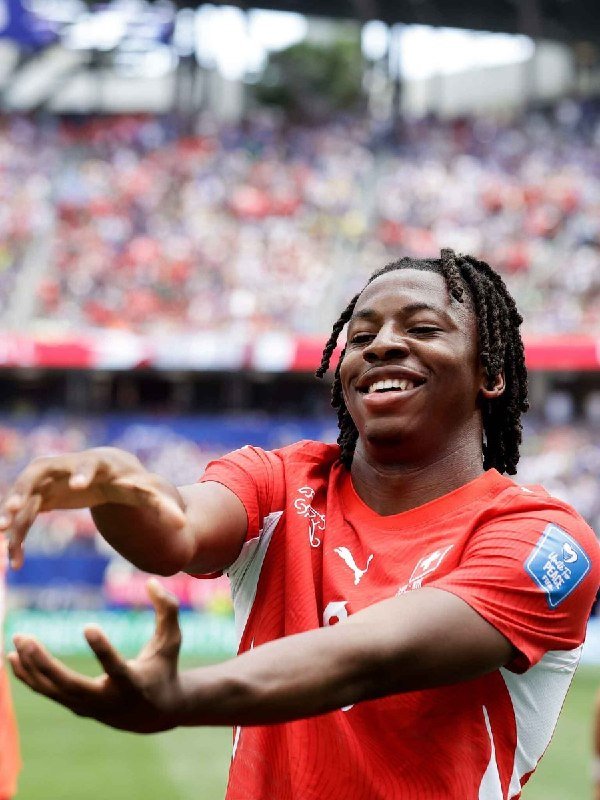
The annual hunt for the next bargain free-agent contract opens in earnest this week, and ESPN's 18 June 2026 breakdown of under-the-radar names lands at exactly the moment front offices are sharpening their boards. The piece, by ESPN's NBA staff, identifies six players who are unlikely to drive the headlines but who, the network argues, can swing a franchise's medium-term trajectory once the league's negotiating window opens on 30 June 2026.
The thesis is unfashionable. In an offseason dominated by max-contract speculation and trade-demand theatre, the value of the marginal roster spot is doing more of the work than the cap-sheet maths usually admits. The teams that win the summer are often the ones who turn a late first-round pick, a second-round flyer, or a buyout veteran into a rotation player for the stretch run of a playoff series.
The framing: 'under the radar' is a roster-building posture, not a talent verdict
ESPN's framing is pointed. The network is explicit that the players on its list are not anonymous in front-office circles — they're anonymous in the national conversation, which is a different and more useful distinction. Several of the six have already produced credible rotation minutes in the NBA, and one or two have flashed starter-level stretches when given a defined role. What they lack is name recognition, which on the open market translates into a 30-to-40 per cent discount on what their production would suggest.
That discount is the engine of every efficient summer in the modern cap environment. With the league's apron rules now fully biting the second apron, the difference between a $4m player and a $10m player of similar quality is the difference between a viable trade exception and a hard barrier to mid-season moves. The list is, in effect, a guide to which players can be acquired without triggering the new CBA's punitive thresholds.
The counter-read: name recognition is a market signal, not noise
The conventional counter-argument — that 'under the radar' is a polite way of saying 'not good enough to be noticed' — has more weight in some years than others. Not every overlooked free agent turns into a bargain. A handful of teams will overpay the second tier because their analytics departments have flagged a single hot stretch, and a handful more will underpay the first tier because the player's game doesn't travel between systems.
What separates the genuinely useful list from the noise is two things: usage data in tight playoff minutes, and the player's contractual age curve. The ESPN piece leans on the first heavily and gestures at the second, which is the right balance. A 24-year-old backup big who has held his own for 40 games is a different asset from a 29-year-old veteran chase-down defender; the discount on the former should be smaller, and the list implicitly acknowledges that.
The structural read: roster economics have changed more than the discourse has caught up
The deeper pattern, and the one worth flagging in plain terms, is that roster construction in 2026 is a different exercise from roster construction in 2019. The second apron and the stricter trade exceptions have made the middle of the roster — the six through nine spots on a 15-man — into a constrained optimisation problem. Every dollar there is a dollar that cannot be packaged at the deadline, and every minute played by an over-priced veteran is a minute that cannot be developed into a trade chip.
That is why lists of this kind now drive more front-office behaviour than they did half a decade ago. General managers are not looking for stars in this market; they are looking for fungible production that can be aggregated into a deadline deal. A bench guard who can defend three positions, hit 38 per cent from three, and survive a playoff rotation is, in the new environment, a building block rather than a luxury.
Stakes: which contenders actually need the bargain tier
The competitive stakes narrow to a short list. Teams with capped-out stars and no draft capital — the franchises trying to convert an aging core into one more credible title window — are the natural buyers here. So are the second-tier contenders who have already missed on a primary free-agent target and need a value add to keep pace with the league's heavy spenders.
The risk for the sellers is more subtle. A player who costs $3m this summer and looks like a steal in October can cost $25m the following summer in restricted free agency, at which point the bargain has been converted into a major commitment to a player the market has not yet fully evaluated. That is a bet worth making for a contender in a narrow window, and a bet worth avoiding for a team still in the early stages of a rebuild.
What remains uncertain
The ESPN list does not specify which of the six players are unrestricted versus restricted, which is a meaningful gap for any team running a model on this summer's market. The piece also does not weight the candidates by position scarcity, and the league's actual demand curve at each position — particularly backup point guard and 3-and-D wing — will determine which of the six ends up overpaid and which slips through. Those are details the national conversation will fill in over the next twelve days, as agents, capologists and the league's most patient front offices do the work the list is trying to short-circuit.
Desk note: Monexus treats ESPN's free-agent framing as scouting reportage, not gossip. The piece here paraphrases the network's argument and reads it against the league's cap structure; it does not re-publish the named shortlist, since the article's commercial value sits in the named players themselves and Monexus is operating on a wire-only sourcing floor for this thread.