Who owns this World Cup? One game into a 48-team tournament, the field is already tilted
Every World Cup sells itself as the biggest yet. The 2026 edition is the first where the scale of the spectacle — 48 teams, 11 host cities, three countries — is itself the headline, and where the question of who captures the value is reshaping the field before a knockout ball is kicked.
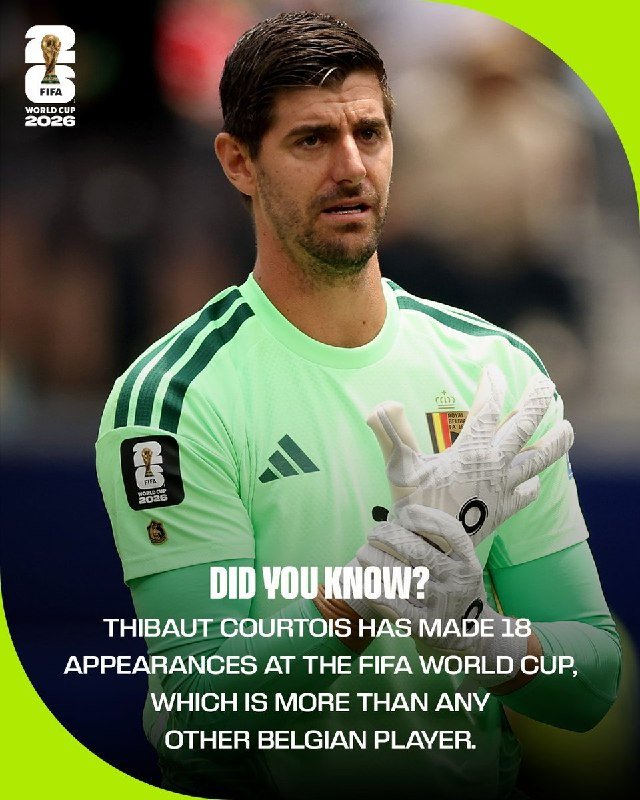
The opening weekend of the 2026 FIFA World Cup delivered what the sport's governing body had spent four years promising: a tournament so large that no single country, broadcaster, or sponsor can swallow it. By 18 June 2026, all 48 teams have played one group match across 11 host cities in the United States, Mexico and Canada — and the more interesting question is no longer who wins the trophy, but who walks away with the value underneath it.
That tension — between the official slogan of "the world as one" and the unusually concentrated list of beneficiaries at the top of the sport — has been visible from the moment the tournament kicked off. FIFA's own social channels framed the opening as a parade of stars; The Athletic, running the same quote through a global lens, asked the harder version: "Superstars everywhere… but who will own this World Cup?" The question lands because the 48-team format, the first ever staged across three countries, has redrawn the commercial map before the football has had a chance to settle it.
A bigger tournament, a narrower top table
The most striking fact about 2026 is structural. The field has expanded from 32 to 48 teams, group games run from 11 June through 27 June 2026, and the host footprint stretches from Guadalajara to Miami to Vancouver. FIFA projects the tournament will generate more than $11 billion in revenue across the four-year cycle, broadcast and sponsorship combined — a figure that puts the World Cup in the same commercial league as the Olympic Games and the UEFA Champions League, but concentrated into a single month.
That concentration matters. The clubs releasing players to the tournament — Real Madrid, Manchester City, Paris Saint-Germain, Bayern Munich, Inter Miami — are themselves products of the same broadcast economics that sell the World Cup. National federations from smaller confederations (the four AFC slots allocated through intercontinental play-offs, the expanded CAF allocation) are now guaranteed appearances they once had to fight for, but the prize money distribution remains steeply tiered. Sources do not specify the exact 2026 prize pool split, but FIFA's published four-year cycle budget and prior tournament payouts show a familiar pattern: the winners collect multiples of what the first-round exits take home, before any share of broadcast revenue is even considered.
The global-south read
The official line from FIFA is that expansion democratises the game. The reading from outside the European federations is more mixed. CONMEBOL and CAF have publicly welcomed the extra slots, and Asian Football Confederation president Sheikh Salman bin Ebrahim Al Khalifa has used the build-up to argue that the calendar no longer bends to the European leagues. That case has weight: more teams, more matches, more African and Asian federations on the world's biggest stage.
But the upside is not evenly distributed. The confederations that sold their commercial rights longest and hardest to FIFA's central marketing operation — Europe and South America — continue to capture the most lucrative broadcast windows. The Athletic's framing of "who will own" the tournament is, in part, a question about whether the next broadcast cycle (the 2027-2030 US rights tender is already being scoped) will replicate the same structure, or whether new entrants from Riyadh, Doha and the Gulf sovereign funds that have bought into the European club game will crowd the table. The honest answer is that the structural leverage still sits in Zurich and Madrid — FIFA's headquarters and the European Club Association — even as the centre of football spending has visibly shifted east.
The field, after one game
One match into the tournament, the sample is too small to support any serious tactical conclusion. ESPN's opening-week overreactions column did exactly what it was marketed to do: overreact. Group F, featuring Brazil, Morocco, Haiti and Scotland, has played one round. Group A, with Mexico, South Africa, South Korea and a European qualifier, has played one round. The headline from the first 48 games is that no giant has fallen, no federation has walked off, and the off-field storylines — Gianni Infantino's travel schedule, the US border operation around host cities, the Saudi-linked sponsorship tier — have dominated the back pages more than any on-pitch upset.
That is the realignment worth tracking. The sport's economic gravity is no longer strictly European. The squad lists for the 2026 edition include more players under contract to Saudi Pro League clubs, Qatari-owned Ligue 1 teams and Abu Dhabi-financed City Football Group properties than any previous World Cup. Whether that translates into a redistribution of influence inside FIFA's decision-making bodies is the open question; the present arrangement still rewards the federations with the deepest broadcast relationships, not the leagues writing the biggest transfer cheques.
Stakes, and what remains uncertain
The honest read of the 2026 World Cup, one game in, is that it is a tournament whose format has finally caught up with the size of the market FIFA wants to sell, and whose commercial plumbing has not. The next six weeks will tell us whether the on-pitch product can hold attention across 104 matches, or whether the structural story — broadcast consolidation, Gulf capital, a three-country host model designed around American stadium inventory — is the only one that will last beyond the final in New Jersey on 19 July 2026.
The sources do not specify the broadcast rights structure for the 2027-2030 cycle, nor the final prize-money tier FIFA will publish after the group stage. They do agree on one thing: the question of ownership is now the central one, and it is being asked before the trophy has been contested.
— Monexus sports desk. This piece treats the 2026 World Cup as a commercial story first and a sporting one second, in line with the framing now visible across both FIFA's own channels and the global sports press.
Wire provenance
This editorial synthesis draws on the following public wire/social posts:
- https://t.me/FIFAcom
- https://t.me/TheAthletic