Amazon drops the Sam Altman biopic. The OpenAI partnership is the more interesting story.
A prestige biopic loses a distributor the same week the same distributor announces it will spend billions on the subject's actual company. The optics are louder than the film.
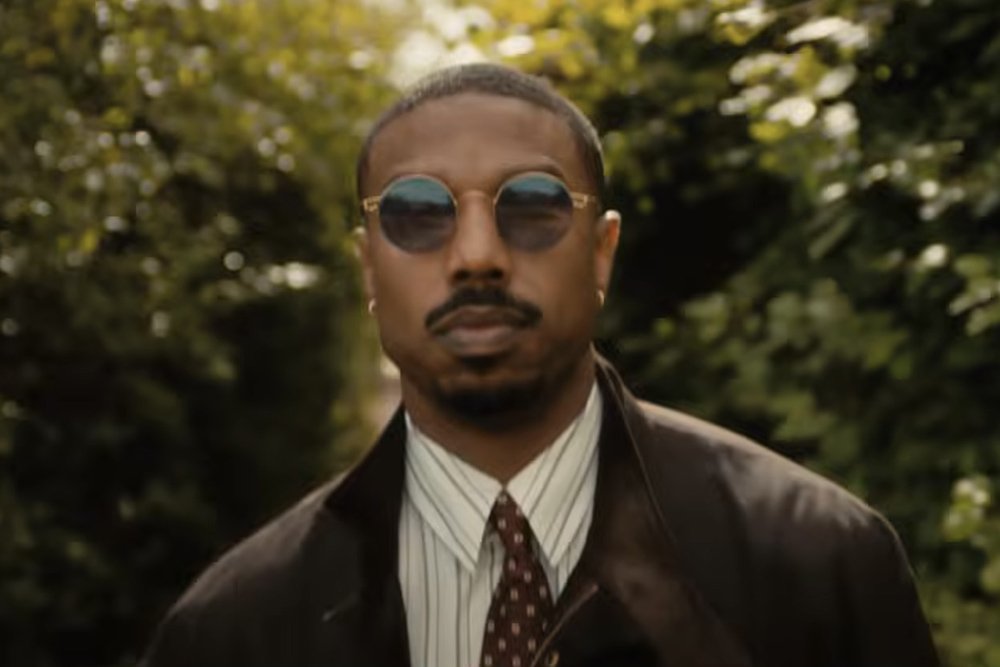
At 13:21 UTC on 19 June 2026, word spread through the entertainment trade press that Amazon had walked away from distributing Artificial, the Luca Guadagnino-directed biopic of OpenAI chief executive Sam Altman. The same week, the same company announced a sweeping commercial partnership with the man at the centre of the film. The combination is a small, almost embarrassing case study in the optical price of doing business with the subject of your own prestige project.
The choreography matters more than the film does. Amazon MGM Studios acquired the project before the OpenAI tie-up was on the table; the partnership is new. Dropping the picture, by the studio's own framing, is about creative fit. That is also, almost by definition, the kind of statement a company makes when the more candid explanation is a financial conflict of interest it would rather not describe in a press release. The cleaner story is the partnership. The messier story is the movie. The two were never going to coexist inside the same corporate balance sheet for long.
What Amazon actually said
The studio's position, as reported by the trade press, is that Artificial "will be better served if it were released by a different studio." The phrasing is studiously neutral. It does not name the OpenAI deal. It does not name a creative dispute. It does not apologise. It simply withdraws distribution and offers the project a graceful exit ramp into someone else's release calendar. The likely next steps — a festival debut followed by a limited theatrical run from a boutique distributor, or a streamer purchase from a buyer without an AI relationship — are not the story. The story is the timing.
The deal that crowded the film out
Amazon's commercial arrangement with OpenAI, announced in the days before the Artificial decision, is materially larger than any single feature film. The scale of capital and compute commitment attached to the partnership is the kind of figure that makes a $40m-or-so prestige biopic a rounding error on a corporate risk register. Once the partnership was signed, the marginal cost of distributing a film that dramatised the OpenAI chief executive — for a company now contractually bound to him as a vendor and partner — stopped being a creative question. It became a public-relations one.
This is not, strictly speaking, censorship. The picture can still get made. The director, Luca Guadagnino, remains attached. The package — a Guadagnino feature on a contemporary tech figure, with a writer attached — is the kind of thing that finds a home quickly in 2026's distributor landscape. What the episode illustrates is something quieter and more durable: when the same corporation is both a counterparty to the most consequential AI partnership of the year and the rights-holder to the year's most prominent AI biopic, one of those positions has to give. Amazon chose the bigger one.
Why the optics land where they do
The press is not wrong to read the timing as a tell. Coverage of the Altman–OpenAI story has, for three years, run on two tracks: the official corporate line about safety and scaling, and a less official current of scepticism about the consolidation of compute, capital and influence in the hands of a small number of executives at a small number of firms. A dramatised portrait of one of those executives, released by a company that had just signed a nine-figure deal with him, was always going to look like endorsement. A dramatised portrait dropped by that same company reads, fairly or not, like a quiet concession that the endorsement was the part that mattered.
There is a more interesting second-order point. Hollywood's prestige biopic has, for two decades, functioned as a kind of negotiated hagiography — the place where the culture industry shakes hands with the tech and finance figures it depends on for distribution fees, soundtrack placement and, increasingly, the production budgets that the studios themselves no longer underwrite. Artificial was, on this reading, always an unusually high-stakes version of that handshake. Dropping it does not break the model. It just confirms, in a particularly visible instance, which side of the handshake carries the heavier wallet.
What the episode actually changes
Less than it appears to, and more than the studio's statement suggests. The film will almost certainly be made. The OpenAI partnership proceeds on its own terms. The story is not about censorship, suppression, or the cancellation of a difficult work. It is about a distributor performing the arithmetic that prestige distributors are increasingly asked to perform: when the same counterparty is both a creative subject and a strategic vendor, the math does the rest. Amazon did not need to be told to drop the film. The partnership did the telling.
What is worth watching is the pattern rather than the picture. As AI labs sign multi-year compute and cloud deals with the same handful of firms that also fund, distribute and platform the cultural products made about them, the room for an unencumbered dramatisation of any of those executives narrows. The Altman biopic is the first prominent casualty of that geometry. It is unlikely to be the last.
Desk note: the wire trade press reported Amazon's withdrawal in the same news cycle as its OpenAI partnership; this publication treats the two events as a single editorial story rather than two unrelated ones.