Boston's first social districts open ahead of Scotland–Morocco World Cup clash at Gillette Stadium
Two downtown "social districts" come online as Boston prepares to host a Group H fixture between Scotland and Morocco at Foxborough, a small municipal experiment inside a much larger tournament footprint.
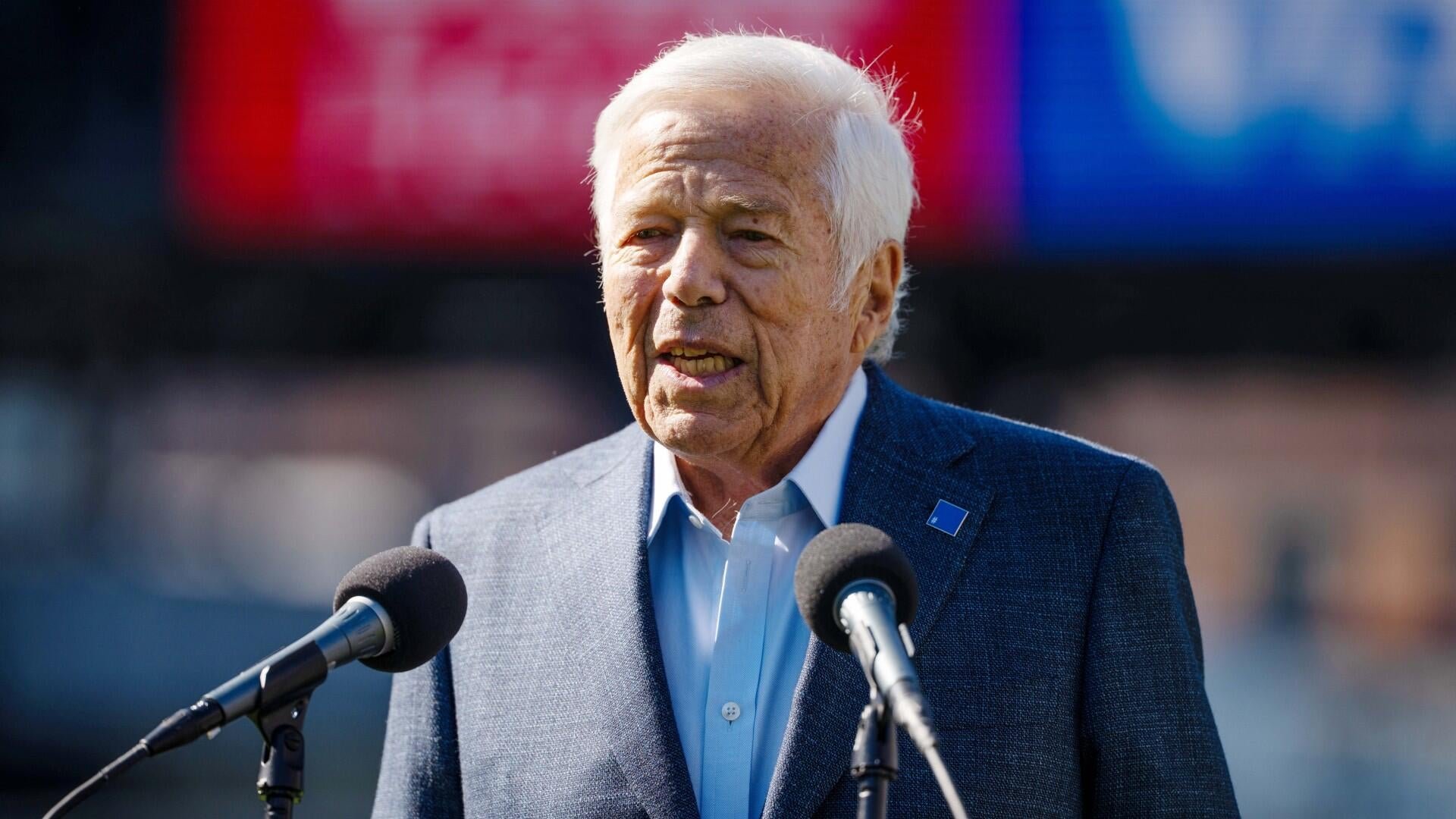
Two downtown social districts opened in Boston this week, the city's first, timed to a tourism surge the city attributes to FIFA World Cup 26 fixtures being played about 30 miles south at Gillette Stadium in Foxborough. The first match in the new footprint is Scotland against Morocco on 19 June 2026, a Group H fixture whose broadcast and viewing information was circulated by FIFA's official channels at 21:45 UTC and republished by The Athletic's matchday desk the same minute.
Boston is not a host venue in the tournament's strict sense. Foxborough is. But the city expects to absorb the kind of off-stadium overflow that World Cup organisers have spent four years trying to model, and the social-district policy is the most visible municipal lever it has pulled to do so. Public drinking inside a marked, time-bounded perimeter is the trade; the design lifts a long-standing Boston default in exchange for a cut of the visitor footfall.
What the policy actually does
Social districts, in the form Boston has adopted, allow adults to carry open containers of alcohol within a defined geographic zone for a defined window. The precincts are fenced more by signage than by fences: clearly marked entry and exit points, hours posted at the boundary, and a requirement that drinks stay inside the line. The mechanism originated in other US cities looking to revive pedestrian retail corridors and has been picked up by municipalities anticipating tournament demand.
The policy is also a quiet municipal experiment. Boston has historically been cautious with public alcohol. Allowing two open-container zones to operate at once is a measurable departure, and the city will be watched closely by both proponents, who want a template for tournament cities elsewhere in 2026, and by traditionalist voices in Massachusetts hospitality who argue that normalised street drinking erodes the bar-and-restaurant ecosystem that already pays rents and licensing fees.
Why this match, and why Boston
Scotland's meeting with Morocco is one of the more anticipated fixtures of the early group stage: a European side returning to a World Cup after a long absence against an African side that reached the semi-finals in Qatar 2022. The demographic profile of travelling supporters maps unusually well onto Boston. The city has a deep Scottish-heritage network — a Scottish-American community visible across New England since the nineteenth century — and a Moroccan and broader North-African diaspora that has grown steadily through the 2010s and 2020s.
That double audience is the calculation. The social districts are not a generic World Cup amenity; they are designed for the kind of supporter who arrives hours before kick-off, walks, eats, drinks, and walks further. The economic logic, which city officials have gestured toward in internal briefings cited by local press, is that the right combination of mobility and amenity keeps dollars circulating in downtown hospitality rather than pooling in Foxborough parking lots.
What the wires are saying
The most concrete public signal of the social-district plan came on the prediction market Polymarket at 03:02 UTC on 19 June 2026, whose markets team flagged that Boston was creating its first two downtown social districts as a direct response to the World Cup tourism surge. The framing was unambiguous: this is a tournament-driven policy, not a generic nightlife reform.
The match itself is being marketed by FIFA and re-broadcast by major sports outlets including The Athletic, both of whom pushed standard "where to watch" cards for the fixture from Boston at 21:45 UTC on the day. None of the public communications so far specify how the city expects to measure success or failure of the social-district experiment beyond the implied one: did visitors behave, did the bars benefit, and did the precincts close cleanly at the end of the window.
Stakes and what remains open
The short-term stakes are operational. A successful opening night validates the model for the next Boston fixture and gives city managers a template to refine. A misstep — a high-profile incident inside the perimeter, neighbourhood pushback from residential blocks adjacent to the zone, a hospital visit that turns into a press cycle — would almost certainly compress the experiment rather than expand it. World Cup host cities across the country will be watching.
The longer stakes are structural. The 2026 tournament is the first to be hosted across three countries, and the economic case for each host rests heavily on the assumption that visitors will spend multiple days in a city, not just 90 minutes in a stadium. Boston's bet with the social-district policy is that loosening the public-drinking default is the smallest regulatory change with the largest plausible uplift in visitor dwell time. Whether that bet pays off is something the city will be able to measure more clearly by the time the next fixture rolls into Foxborough.
The sources do not yet specify the precise boundaries of the two districts, the hours of operation, or which municipal department will lead enforcement. Until those details surface in an official city release, the most that can be said is that the policy is real, the timing is deliberate, and the match that opens it is the one that brings Scotland and Morocco to Massachusetts.
Desk note: Monexus framed this as a municipal-policy story inside a sports frame, rather than the inverse. The wires emphasised the fixture; the local angle is the policy.
Wire provenance
This editorial synthesis draws on the following public wire/social posts:
- https://t.me/FIFAcom
- https://t.me/TheAthletic
- https://x.com/polymarket/status/World-Cup-tourism-Boston-social-districts