Iran's World Cup travel complaint and FIFA's tiebreaker reset mark a tournament already off-script
Iran says it will complain to FIFA after being denied an early-arrival slot in Los Angeles, hours after the governing body switched its group-stage tiebreaker from goal difference to head-to-head.
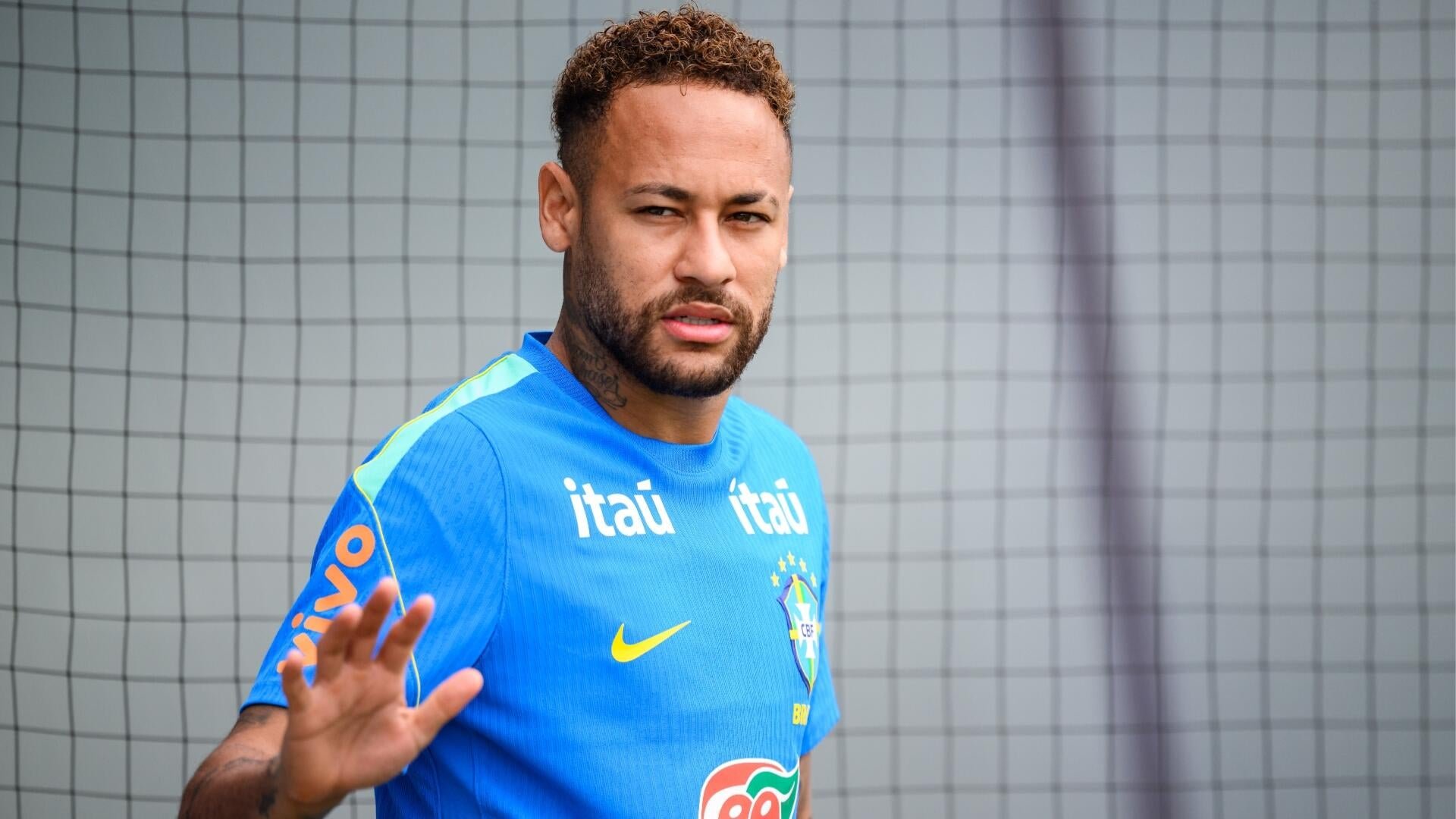
The story of the 2026 World Cup, six days into the tournament's opening window, is being written in two places at once. In Los Angeles, Iran's football federation says it will lodge a formal complaint with FIFA after its request to bring its squad into the city two days before Sunday's group-stage match against Belgium was denied. In FIFA's headquarters in Zurich, officials were still digesting a separate, more technical decision: the governing body has quietly changed how group tables resolve themselves, swapping goal difference for head-to-head record as the first tiebreaker when teams finish level on points. Two small pieces of administrative paperwork, reported within hours of each other on 19 June 2026 — and a reminder that this tournament's politics, like its football, will be played as much in rule-books as on the pitch.
For Iran's federation, the immediate grievance is logistical. The federation wanted its delegation in Los Angeles earlier than the standard arrival window — a request FIFA declined, according to a 19 June 2026 ESPN dispatch timed at 23:54 UTC. The federation has framed the denial as a complaint worth filing, a step that puts the matter formally in front of FIFA's disciplinary channels and guarantees the story does not die in a press release. The Belgian Football Association, drawn in as Iran's opponent on Sunday, has not publicly responded; nor has FIFA, beyond the implicit statement embedded in the rejection.
Travel, sovereignty and the host's veto
The complaint lands inside a longer pattern. Host nations at major tournaments routinely use visa, security and immigration levers to shape who arrives when, and which entourages get the softest access. A federation asking for an earlier slot is not unusual — pre-tournament acclimatisation, sponsor obligations and political optics all push teams to ask. What is unusual is the speed with which Iran escalated to a formal FIFA filing rather than working the issue through the standard channels. That signals either confidence that the complaint will travel — FIFA's own statutes are explicit about member associations' right to dispute administrative decisions — or an intention to keep the story in front of cameras for as long as the team remains in the tournament.
The counter-narrative, and the one Western security voices are likely to amplify in the days ahead, is that early-arrival requests from politically sensitive delegations are treated with extra caution in 2026. If that caution has produced a uniform rule, FIFA's defence is straightforward: no special treatment, same window as everyone else. The Iranian counter-frame is the opposite — that a host city, working through FIFA, has the practical power to make a federation's life uncomfortable without ever saying so out loud. Both readings are plausible. The honest answer is that neither side has yet put its reasoning on the public record in detail.
The tiebreaker nobody was watching
On 19 June 2026 at 18:52 UTC, BBC Sport reported that FIFA had changed how World Cup tables work. The shift — head-to-head ahead of goal difference as the first tiebreaker — is the kind of administrative edit that sounds arcane until it determines who goes through. Goal difference, the old default, is a coarse instrument: it rewards teams that run up scores against weak opponents, and it punishes sides that win tight matches against strong ones. Head-to-head, by contrast, is literal: if you and I are level on points, the match between us decides.
The change matters because the 2026 tournament is the largest in history — 48 teams, 12 groups of four, with more clustering at the middle of tables than in any previous edition. Goal difference inflates in 48-team tournaments because weak sides concede more, and because stronger sides can rotate. A team that finishes on six points with three single-goal wins can be leapfrogged by a team on six points with one big win and two narrow losses, under the old rule. Under the new rule, that ordering inverts.
Stakes and structural frame
The deeper pattern here is one Monexus has flagged before: the institutions that run world football are increasingly comfortable rewriting the rules mid-tournament, confident that the spectacle — and the broadcast contracts — will absorb the disruption. FIFA's own commercial logic rewards the largest possible field and the longest possible tournament, but the same logic creates more tiebreaker scenarios, more narrative opportunities, and more occasions where administrative decisions become the story. The travel complaint and the tiebreaker edit are not formally linked, but they share a structural feature: in both cases, FIFA's discretion is doing the work that a clearly written rule would otherwise do.
Iran wins, in the short term, if the complaint forces a public explanation from FIFA that the federation can then quote back to its domestic audience. Belgium wins, indirectly, if the tiebreaker change produces a more legible group stage. FIFA wins either way only if the spectacle holds — and the early signs are that it will.
What remains uncertain
The sources available as of publication do not specify which Los Angeles airport or staging facility was at issue, nor whether Iran cited a specific FIFA regulation in its filing. The Belgian federation has not been asked on the record, in the materials available to this article, for its view of either the travel dispute or the tiebreaker change. FIFA's own statement on the head-to-head switch, as reported by BBC Sport, is administrative rather than explanatory — it does not say why the change was made now, ahead of the 2026 edition, rather than before the 2022 tournament in Qatar, or what the modelling looked like. Those gaps are worth flagging because they are precisely the points future reporting will need to close.
This piece treats the two wire dispatches as the primary record of fact. Monexus will revisit both stories as FIFA's disciplinary process and the tournament's first set of group-stage conclusions produce further material.