Iran walks away from the table, and the stablecoin rulebook quietly expands
Tehran has paused its 60-day negotiation track after Israeli strikes in southern Lebanon, while US regulators tighten the screws on dollar-backed tokens. Two stories, one pattern: the architecture of the dollar is being renegotiated in real time.
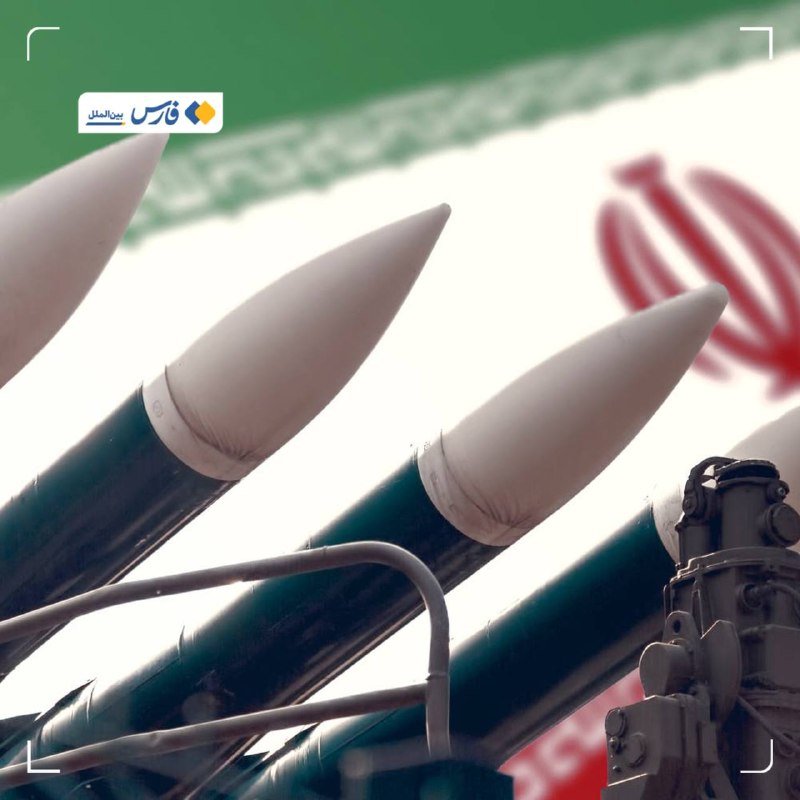
On the evening of 18 June 2026, two pieces of news landed within three hours of each other, and almost nobody noticed they belonged to the same story. The first, dispatched at 19:30 UTC, was a Telegram alert from Cointelegraph: Iran had suspended its 60-day negotiation process with the United States, citing a violation of the agreement's first clause following Israeli strikes in southern Lebanon. The second, at 22:30 UTC, was a separate Cointelegraph wire: US regulators had proposed requiring stablecoin issuers to implement customer identification programmes under the GENIUS Act. Diplomacy on one screen, monetary plumbing on the other. Both, in their way, are about who gets to set the terms of the dollar system.
Read them together and a pattern emerges. Tehran is walking away from a negotiation it cannot control, while Washington is quietly tightening the leash on the private tokens that increasingly move alongside the dollar in cross-border trade. The two tracks are formally unrelated. Structurally, they are the same contest — a renegotiation of what counts as legitimate money, and who gets a seat at the table when that question is settled.
What Iran actually suspended
The Iranian move, as reported by Cointelegraph on 18 June 2026, is not a withdrawal from diplomacy. It is a suspension of a defined 60-day process, triggered by an Israeli strike in southern Lebanon that Tehran describes as a breach of the first clause of an existing understanding with Washington. The language matters: by framing the strike as an American-brokered violation rather than an Israeli operational decision, Iran is asserting that the United States carries responsibility for the security commitments embedded in the deal.
That framing does heavy political work. It repositions Washington from honest broker to guarantor, and it gives Tehran a procedural reason to freeze talks without burning the channel. Whether the underlying complaint survives scrutiny is a separate matter — Israeli strikes in southern Lebanon have been a near-weekly feature of the regional security calendar — but the suspension is the news, and the rationale is the leverage.
The stablecoin rulebook nobody asked for
Three hours later, the same wire carried a quieter story: US regulators are proposing that stablecoin issuers implement customer identification programmes under the GENIUS Act. The proposal is being read in crypto circles as the moment the long-promised compliance regime for dollar-pegged tokens starts to look like a real rulebook rather than a press release.
The political economy here is straightforward. A stablecoin is, in effect, a private claim on the dollar system — a token that promises redemption at par with a fiat currency the issuer does not control. The GENIUS Act framework treats those claims as a regulated financial product, with the issuer as a kind of narrow bank. Customer identification programmes are the unglamorous spine of any such regime: know-your-customer rules, sanctions screening, transaction monitoring. The technical name is KYC. The political name is the dollar's border.
For a generation, the appeal of dollar-pegged tokens was that they moved like the dollar but escaped the dollar's compliance architecture. That loophole is closing. The question now is how fast, and on whose terms.
Two tracks, one architecture
It is tempting to treat these stories as a Middle East file and a markets file. They are not. Both are about the boundary between the dollar system and everything outside it.
Iran's negotiating leverage inside a sanctions regime depends on the seam between formal dollar access and the parallel payment networks — gold, barter, stablecoins on permissive chains, regional clearing arrangements — that have grown up to bypass it. The United States' response, when it wants to be effective, has been to extend the dollar's compliance perimeter rather than to dismantle the parallel rails. The GENIUS Act proposals are the latest version of that strategy: bring the tokens inside the tent, identify the customers, screen the flows.
The Israeli strike in southern Lebanon sits inside the same architecture in a different register. If Tehran's case is that a security commitment has been violated, the implicit demand is that Washington enforce the architecture it claims to maintain — that the United States either restrain its regional partner or accept that the negotiation track is suspended. Either outcome re-prices the value of the deal for Iran.
What the framing misses
The Western wire line on the Iran file tends to flatten this into a story of Iranian intransigence: Tehran walks away, sanctions remain, the region stays tense. The Iranian counter-read, advanced in Tehran-aligned channels and partially echoed in regional outlets, is that a brokered deal is only as good as the broker's willingness to enforce it, and that Israel's operational tempo in Lebanon has made the deal structurally unworkable. There is evidence on both sides. What is clear is that the suspension is a negotiating move, not a declaration, and that the next 30 to 60 days will determine whether the process resumes in a different form or quietly expires.
The stablecoin file has its own blind spots. The GENIUS Act proposals will be sold as consumer protection and sanctions enforcement, and on those terms they are defensible. They will also harden the dollar's structural advantage in the next generation of cross-border payment infrastructure, because every regulated token will, by construction, be a US-jurisdiction token. For issuers based outside the United States, the cost of compliance is a tariff on admission. That is a policy choice, not a technical necessity, and it deserves to be debated as such.
Stakes
If the Iran suspension holds, the regional temperature rises and the sanctions architecture becomes the only language the United States has with Tehran — which historically has been a poor fit for de-escalation. If the stablecoin rules land in anything close to their proposed form, the offshore token economy is folded, slowly, into the dollar system on terms set in Washington. Both outcomes consolidate American structural power. Both also make the next round of friction — over sanctions evasion, over regional security guarantees, over who gets to issue money that the world actually uses — more rather than less intense.
What remains genuinely uncertain is whether the two tracks will be run in sequence or in parallel. A sanctions regime that tightens while a diplomatic channel is frozen is a different instrument from a sanctions regime that loosens as a deal is implemented. The United States, for now, is moving on both fronts at once. The rest of the world is being asked to keep up.
This publication framed these as two stories because the wires carried them as two stories. The more honest read is that they are one story about who writes the rules of the dollar — and who gets a chair at the table when that work is done.
Wire provenance
This editorial synthesis draws on the following public wire/social posts:
- https://t.me/s/cointelegraph
- https://t.me/s/cointelegraph
Follow the event.
These dated source records provide context. They do not retrospectively verify this archive article.
Separate what the nuclear watchdog reported from what it could not determine after the June 2025 strikes.